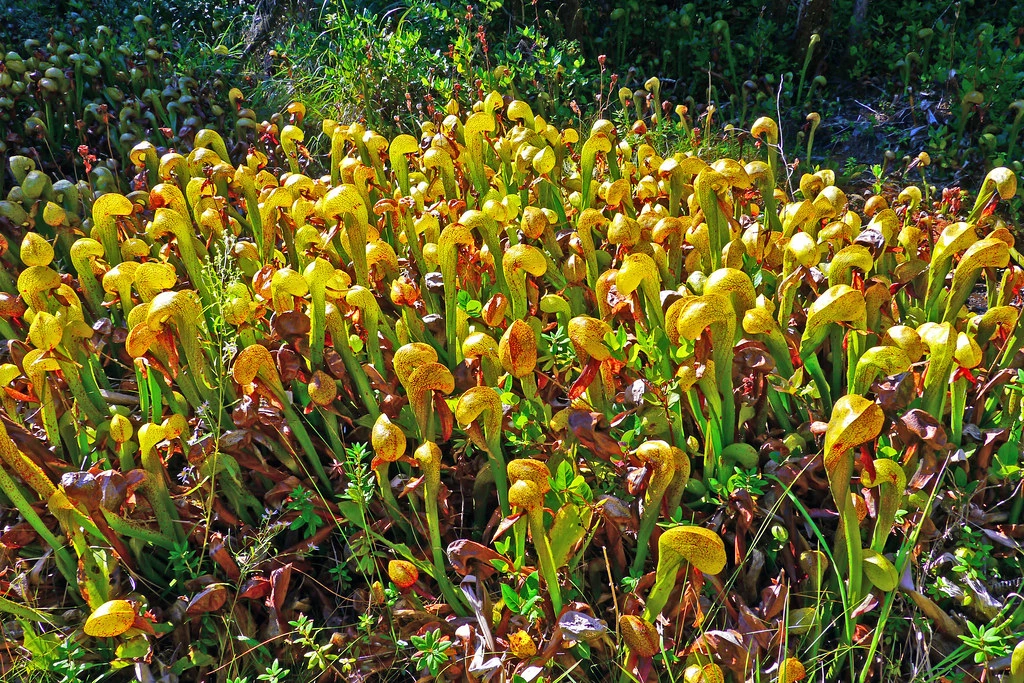
Pitcher Plant: The Complete Guide to Growing, Caring, and Enjoying Nature’s Most Fascinating Carnivorous Plant
A pitcher plant is among the most interesting plants to cultivate in your own garden. The reason why the pitcher plant is quite different from other garden plants is that it uses insects to get nourishment in nutrient deficient soil. The amazing nature of such carnivorous plants has fascinated many gardeners through the ages due to its peculiar looks and natural insect control capabilities.
If you are curious about cultivating a purple pitcher plant, understanding nepenthes pitcher plants, or learning how to take proper care of pitcher plants, then you are at the right place. You will learn all there is to know about growing carnivorous plants.
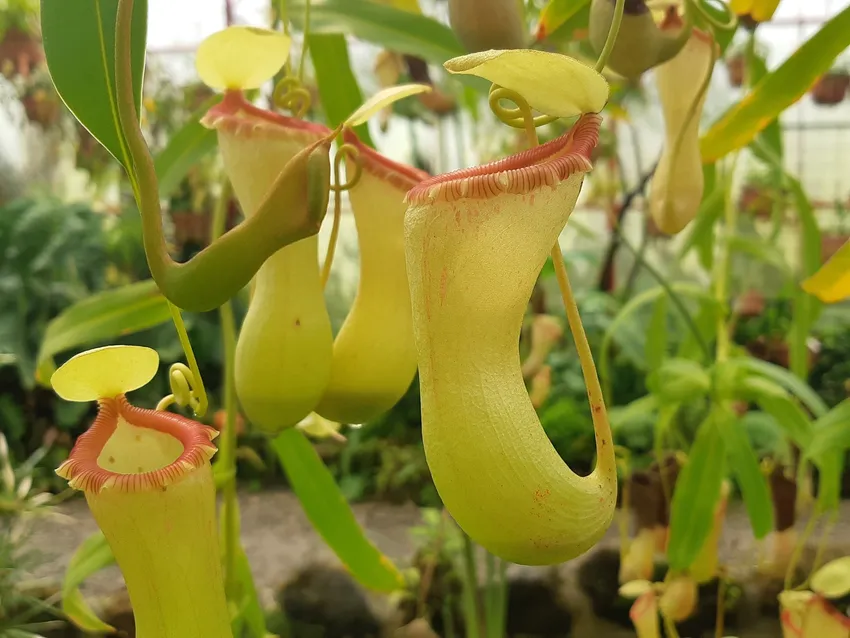
What Is a Pitcher Plant?
Pitchers plants are carnivorous plants which have developed tube-shaped leaves containing digestive enzymes. They use nectar to lure insects, which fall inside and get digested automatically. This allows the plant to obtain nutrients, primarily nitrogen, which is needed for survival in poor soil conditions.
The gardener loves a pitchers plant as it has both decorative and functional uses. The colorful pitchers look very attractive and help keep the flies away naturally.
There are some species which can be grown outside, whereas other species do well as indoor plants.
Why Choose a Pitcher Plant for Your Home Garden?
There are some distinct advantages to growing a pitchers plant which cannot be provided by regular houseplants.
These include:
• Natural pest control
• Uniquely attractive look
• Simple to maintain when properly grown
• Great conversation piece
• Collector’s dream
• Indoor and outdoor use
• Increase biodiversity in your garden
A well-grown pitchers plant can be one of the most fascinating plants in your collection.
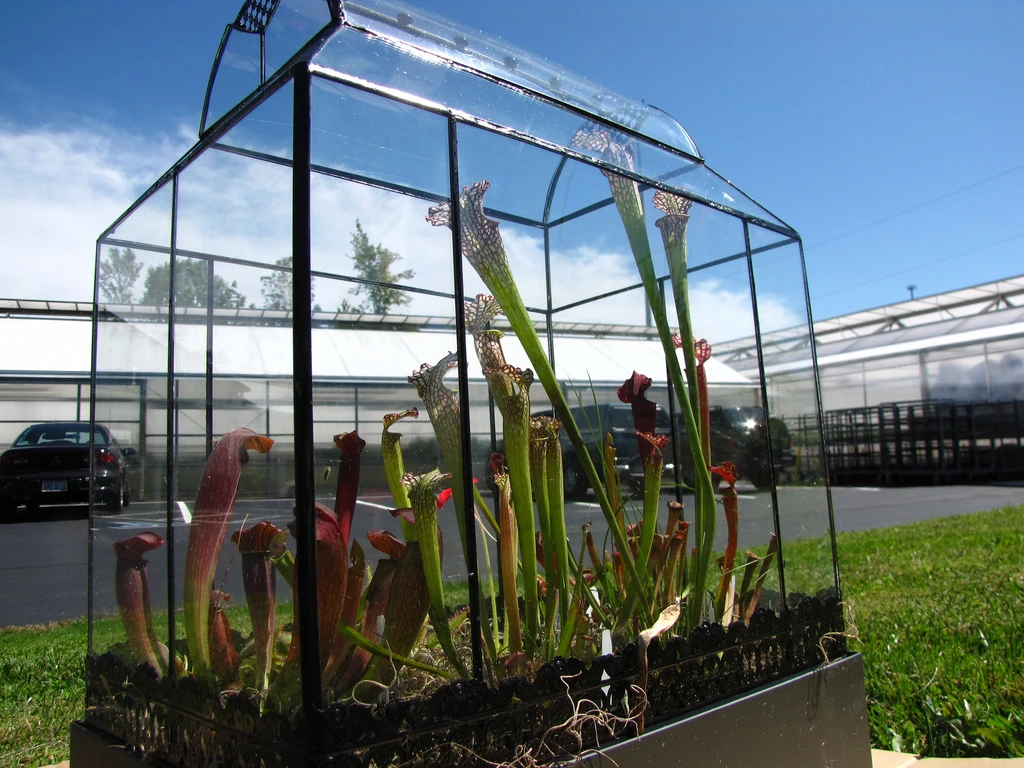
Popular Types of Pitcher Plant
There are several different types of pitcher plants that can be grown in your home garden. Each type of pitchers plant has unique qualities.
The purple pitchers plant belongs to the group of toughest carnivorous plants. It is native to North America, and it has short pitchers with deep purplish colors.
This pitchers plant can withstand lower temperatures compared to tropical plants.
Characteristics are as follows:
• Purple pitchers
• Frost tolerance
• Easily grown by beginners
• Spring flowers
Tropical Pitcher Plant
Tropical Pitchers Plant is mainly from the Nepenthes family. The plant is a plant with hanging pitchers, which can get quite big.
Warm weather, high humidity, and indirect light are some things that it needs.
This plant has the following characteristics:
• Hanging pitchers
• Green leaves
• Great for indoor planting
• High humidity
People often start their collection with this plant due to its great diversity.
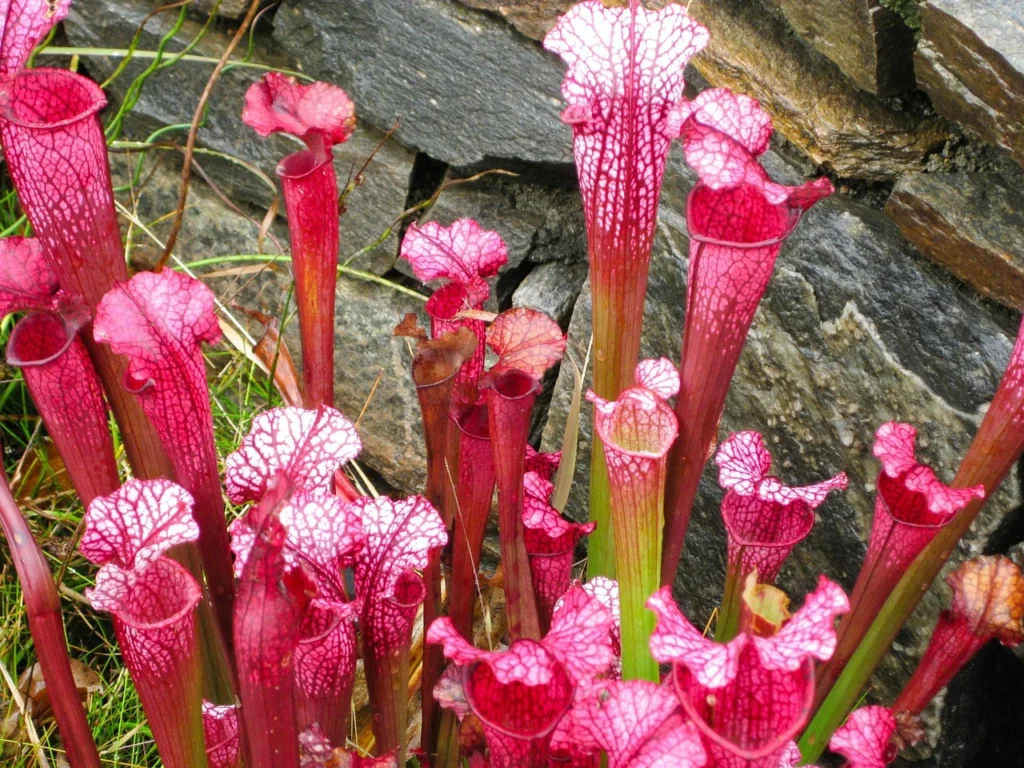
California Pitcher Plant
One of the strangest carnivorous plants native to western North America is the California pitchers plant.
Its elongated tube like leaves make amazing spectacles while being efficient at catching insects.
Its requirements include:
• Humid soil
• Lot of sunlight
• Cold roots
• Convenient source of water
Northern Pitcher Plant
Northern pitchers plants occur naturally in colder conditions and swamps.
Since it is resistant to frost, this plant flourishes in the open bog garden outside.
The benefits include the following:
• Frost tolerant
• Seasonal color display
• Longevity
• Easy outdoor care
Nepenthes Pitcher Plants
The nepenthes pitchers plants are probably the best known of all carnivorous plants.
They originate from Southeast Asia, and have very colorful and striking hanging pitchers, which are different in shape and size.
Some species have pitchers that grow up to a foot long.
These plants are:
• Exotic-looking
• With colorful pitchers
• Suitable for indoor growing
• Good collector’s plants
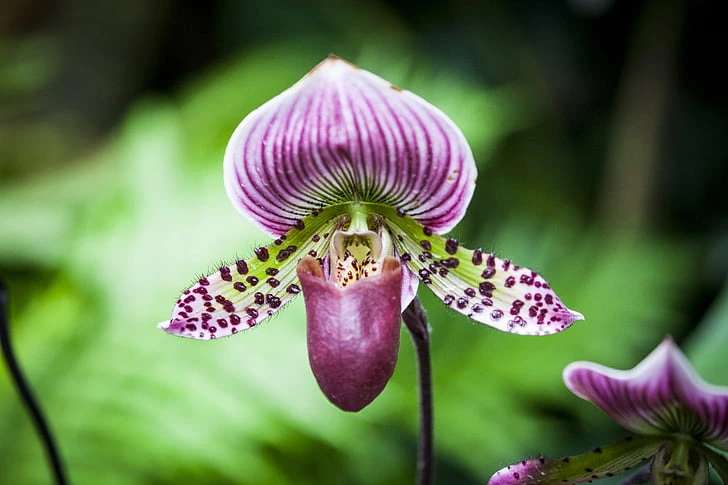
Pitcher Plant Grow a Garden Successfully
Pitchers plant grow a garden can be puzzling for many gardeners.
However, making the right environment is much simpler than many would expect.
Pitcher Plant Growing Environment
A pitchers plant needs plenty of light.
For most types, the following conditions work well:
• Sunlight in the morning
• Filtered light in the afternoon
• Excellent airflow
• High humidity
The outdoor species need full sun, whereas indoor Nepenthes thrive in bright indirect light.
Choosing the Proper Soil
Garden soil is never an option when growing a pitchers plant.
Instead, the following soil mediums must be used:
• Sphagnum moss
• Pearlite
• Silica sand
• Long fiber moss
The rich soil could hurt the roots since carnivorous plants adapted to the poor soil.
Water Conditions
The quality of water is highly important.
Therefore, only the following options should be used:
• Rainwater
• Distilled water
• Reverse osmosis water
Tap water is never recommended due to the accumulation of minerals in the soil.
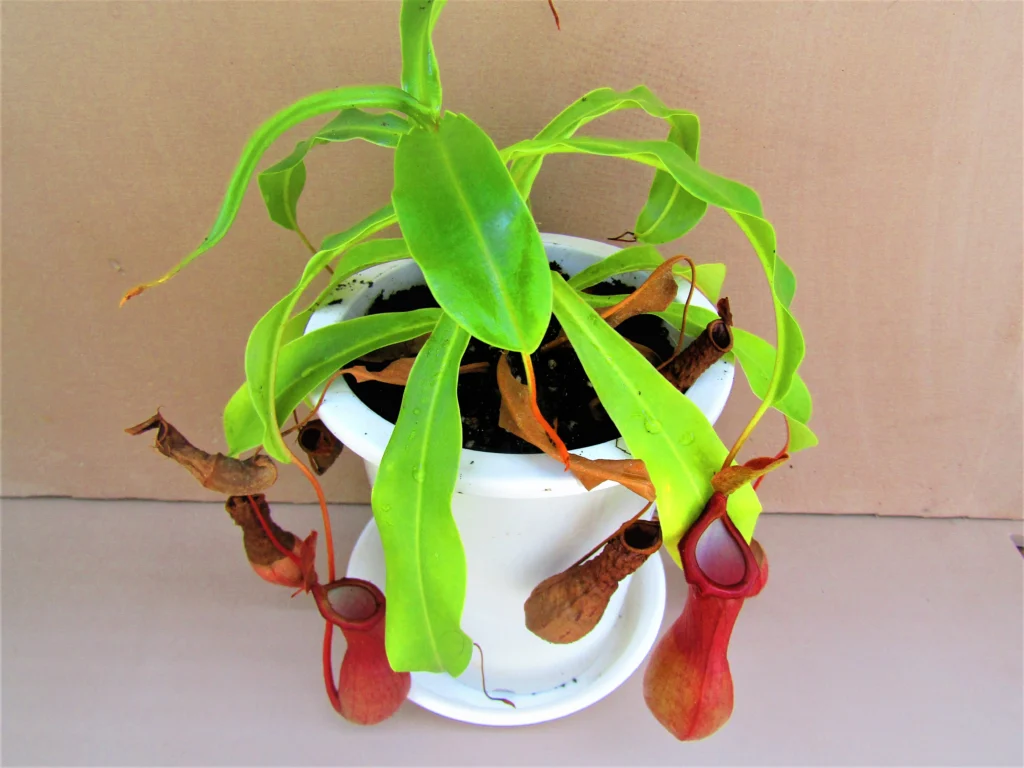
Complete Pitcher Plant Care Guide
Correct pitchers plant care will lead to the proper growth and development and the best looking pitchers.
Light
A pitchers plant needs 6-8 hours of bright light a day.
The signs of lack of light are:
• Small pitchers
• Pale leaves
• The plant grows slowly
Too much direct sunlight can burn tropical pitcher plants.
Humidity
Humidity is critical for nepenthes pitchers plants.
Try to provide humidity levels of:
• 60-80%
You can use a humidifier or a pebble tray.
Feeding
The good news is that pitchers plants do not need additional feeding often.
For outdoor plants, the insects will feed the plant.
In case of indoor plants, they can sometimes get:
• Flies
• Gnats
• Tiny crickets
Do not feed your pitchers plants meat, cheese or fertilizers in their pitchers.
Temperature
Each plant has different requirements.
Cool climate species:
• 50-75°F
Tropical climate species:
• 70-85°F
Choosing the right temperature is very important.
Fertilization
Fertilization is one of the most common mistakes with pitchers plant.
The majority of the species do not need any fertilizer as they get nutrients from insects.
Use highly diluted orchid fertilizer for some tropical species.
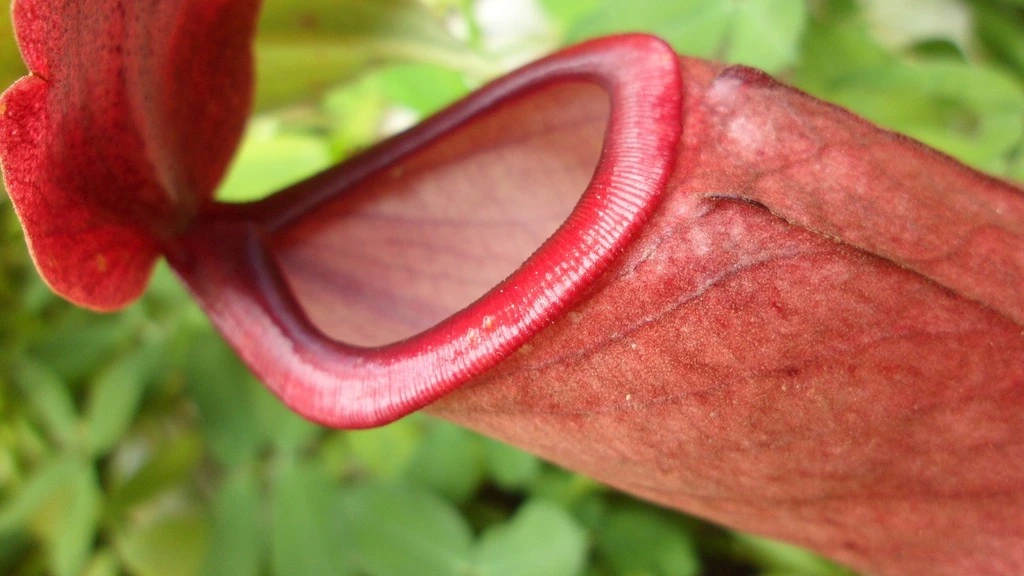
Common Problems with a Pitcher Plant
Sometimes even experienced gardeners can face some problems.
Brown Pitchers
Reasons for this problem are:
• Dry conditions
• Natural aging process of old pitchers
• Failure to water properly
No Pitchers Developing
It is caused by:
• Lack of light
• Low humidity
• Failure to recover after repotting
Root Rot
Resulting from:
• Inadequate drainage system
• Wrong soil
• Buildup of minerals
Always choose appropriate carnivorous plants substrate.
Repotting Your Pitcher Plant
Repot every 2-3 years.
Steps include:
1. Put new soil for carnivorous plants.
2. Gently remove the old medium.
3. Inspect healthy roots.
4. Gently repot.
5. Water with distilled water.
Repotting rejuvenates the growing medium and promotes vigorous growth.
Can You Grow a Pitcher Plant Indoors?
Yes.
Pitcher plants can be cultivated indoors throughout the year by many gardeners.
Requirements are:
• Bright light
• Humidity
• Distilled water
• Air circulation
This form of growing is particularly ideal for tropical pitchers plants and nepenthes pitcher plants.
Outdoor Growing Tips
Gardeners working outside should:
• Create a bog garden.
• Maintain constantly wet soil.
• Avoid using chemical fertilizers.
• Use natural insects to nourish the plants.
• Safeguard the tropical plants from freezing weather.
Purple pitcher plant and northern pitcher plant are examples of cold-hardy plants that work very well outside.
Why Every Garden Enthusiast Should Own a Pitcher Plant
There is nothing more special than a pitchers plant for a home garden.
The fascinating feature of trapping insects, the beautiful colors of the pitchers, and the care-free nature of this plant makes it one of the best carnivorous plants.
It doesn’t matter whether you go for a California pitchers plant, Purple pitchers plant or Nepenthes pitchers plants, the fact remains that they are unique.
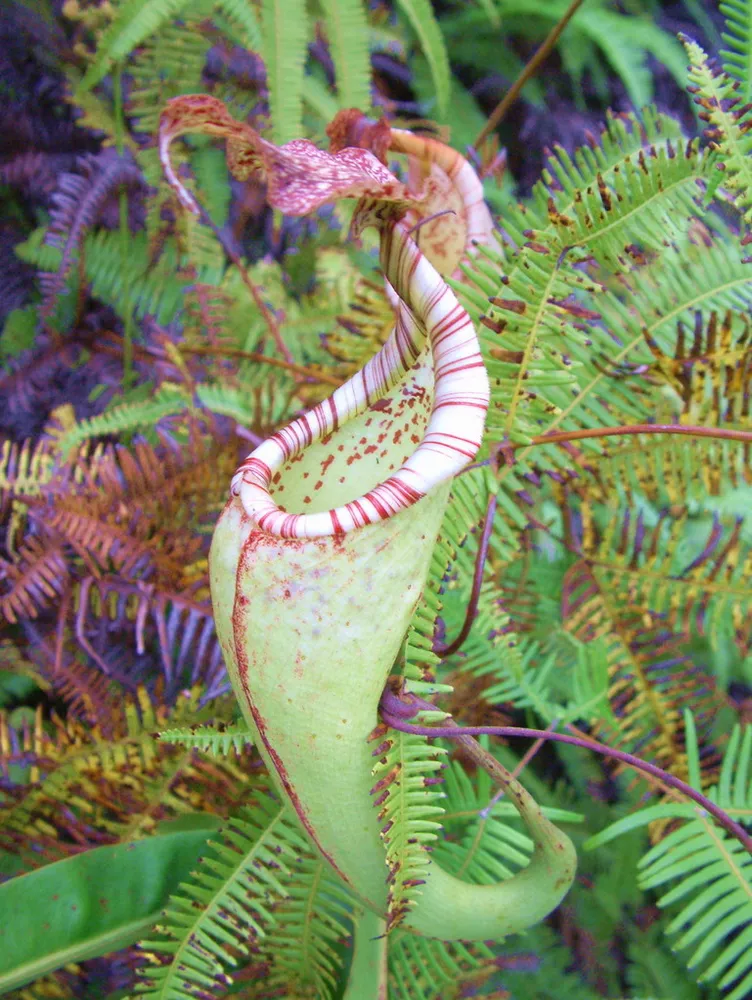
FAQs
Is the pitcher plant good for beginners?
Yes. They are easy to grow if given distilled water, adequate lighting, and right soil.
How do I water a pitcher plant?
It should always be kept wet with the help of rainwater or distilled water. It should never be allowed to dry out completely.
Can a pitcher plant live in an indoor setting?
Yes. Tropical pitchers plants usually grow extremely well in an indoor environment.
Does the pitcher plant require any fertilizers?
Not usually. The healthy pitchers plants get all the required nutrients through the consumption of insects.
What kind of pitchers plants is easy to grow?
Purple pitchers plant is known as one of the easiest pitcher plants outdoors, whereas there are numerous indoor types such as Nepenthes hybrids.
My pitcher plant does not produce pitchers – what can be the problem?
Usually, insufficient lighting, lack of humidity, and environmental factors cause this problem.
Can I plant different pitcher plants together?
Yes, as long as they have the same needs regarding the humidity and temperature. Otherwise, they should be planted separately.
Conclusion
More than just a peculiar indoor plant, the pitcher plant is one of the best illustrations of how nature works its magic. Under correct lighting, distilled water, and the suitable humidity conditions, along with poor nutrient soil, carnivorous pitcher plants grow successfully both in greenhouses and bog gardens.
From discovering care of pitchers plants to choosing a tropical pitcher plant, purple pitcher plant, California pitcher plant, or northern pitchers plant, any gardener will find it fun to grow these extraordinary plants. With the help of easy cultivation tips described in this article, you can keep your pitchers plant healthy and gorgeous for years to come.