How to Know When Your Roof Needs Attention Before It Gets Expensive
Your roof usually stays out of sight and out of mind until something starts dripping, sagging, or scattering shingles across the yard after a Kansas storm. Around the Kansas City area, roofing materials have to handle serious weather swings. In 2025, the National Weather Service recorded temperatures at Kansas City International Airport ranging from -10°F to 97°F, a spread of more than 100 degrees over the year. Severe storms add another layer of risk. NOAA records show that parts of Kansas saw hailstones measuring as large as 3.81 inches during storms in June 2025, with damage reported to vehicles, homes, and businesses. With repeated exposure to heat, freezing temperatures, wind, and hail, catching roof problems early can save you money, stress, and that unpleasant moment when a ceiling stain starts spreading like it pays rent.
Your roof rarely fails all at once
Most roofing problems build slowly. A small crack around flashing, a few lifted shingles, or clogged gutters may not look urgent at first. Give them enough time, and they can lead to soaked decking, mold, insulation damage, or interior leaks.
You don’t need to climb onto the roof with a clipboard and a hard hat fantasy. Start from the ground. Look for missing shingles, uneven roof lines, dark streaks, or bits of roofing granules near downspouts. Inside your home, check the attic for damp spots, musty smells, or sunlight peeking through boards.
Roof damage often behaves like a bad secret. It stays quiet until repair costs grow teeth. Spotting issues early gives you more options, which usually means lower bills and less disruption.
Storm damage can be sneakier than you expect
After a major storm, obvious damage gets attention fast. A tree limb through the roof tends to make the priority list. The real trouble often comes from less dramatic damage, especially hail strikes, lifted shingle tabs, and loosened flashing.
Wind can break the seal that holds asphalt shingles in place. Once that happens, the next storm gets an easier path under the roof system. Hail may leave bruising that shortens the life of shingles even when they still appear intact from the driveway.
If your neighborhood took a hit, it’s smart to get a professional opinion from a qualified roofing contractor in Kansas who understands regional weather patterns and common storm-related failures. Quick inspections after rough weather can uncover damage before a minor claim turns into a major renovation.
Age matters, even when the roof still looks decent
Roofs don’t retire on appearance alone. An asphalt shingle roof may last 15 to 30 years depending on material quality, ventilation, installation, and weather exposure. Metal, tile, and other systems have different timelines, but none are immortal.
A roof can look fairly normal from the curb while nearing the end of its useful life. Sealants dry out. Underlayment weakens. Flashing corrodes. Repeated sun exposure slowly cooks materials year after year.
If you bought your home and don’t know the roof’s age, ask for old permits, inspection records, or seller disclosures. A roofing estimate becomes more useful when you know whether you’re dealing with a six-year-old roof that needs a repair or a twenty-two-year-old roof that’s entering its expensive era.
The attic can tell you more than the shingles
Your attic acts like the backstage area of the roof system. If something is going wrong above, signs often show up there first. Bring a flashlight and take a careful look during daylight hours.
Watch for:
– Wet insulation or compressed insulation
– Water stains on rafters or decking
– Mold or mildew smells
– Rust on nails or metal components
– Poor ventilation and excess heat buildup
Ventilation problems deserve more attention than they usually get. A too-hot attic can age shingles faster, raise cooling costs, and trap moisture during colder months. It’s not glamorous, but airflow matters. Roofing performance isn’t just about what covers the house. It’s also about how the whole system breathes.
An attic inspection gives you clues that are easy to miss outdoors, especially when damage starts beneath the surface.
Small exterior warning signs often point to bigger issues
A roof doesn’t need a dramatic hole to be in trouble. Subtle signs around the exterior can reveal where water is entering or where materials are deteriorating.
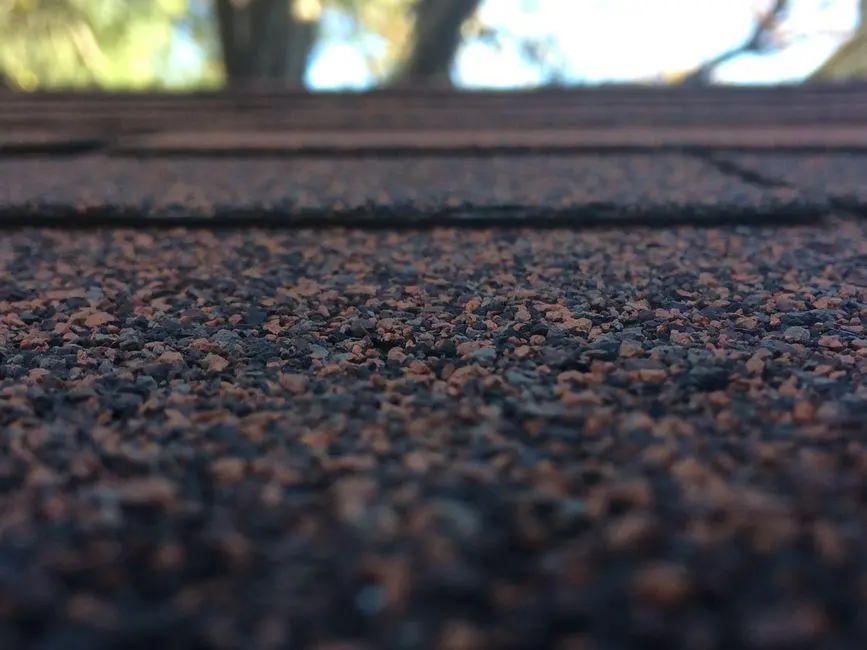
Keep an eye on flashing around chimneys, skylights, vents, and roof valleys. Those transition points are leak magnets. Look at soffits and fascia for rot, peeling paint, or staining. Check gutters for shingle granules, which can signal asphalt wear.
Also notice whether any section of the roof appears to dip or sag. Structural movement can indicate trapped moisture or weakened decking. That’s not a “maybe next year” issue.
Even algae streaks and moss growth deserve a second look. Sometimes they’re cosmetic. Sometimes they hold moisture against the roof surface and speed up deterioration. If your roof has several of these symptoms at once, a professional inspection starts to look less optional.
Repairs, replacement, and the cost question
Homeowners often ask the same thing first: repair or replace? The answer depends on age, extent of damage, and whether problems are isolated or widespread.
A localized leak around flashing may be a straightforward repair. Repeated leaks in different areas, broad shingle deterioration, or soft decking usually point toward replacement. Patchwork can buy time, but too many repairs on an aging roof become the home maintenance version of pouring coffee into a cracked mug.
Ask contractors for a clear scope of work, material details, warranty information, and photos of problem areas. Compare more than price. A lower bid may leave out ventilation improvements, underlayment upgrades, or disposal costs.
Budget matters, of course. So does value. A well-timed replacement can reduce future interior damage, improve energy efficiency, and support resale appeal.
Choosing the right contractor makes a huge difference
A roof is only as reliable as the crew installing or repairing it. Good materials can still underperform when workmanship is sloppy. You want a contractor who is licensed where required, insured, experienced, and willing to explain the project in plain language.
Ask practical questions:
– How long have you worked in this area?
– What roofing systems do you install most often?
– Will you inspect decking and ventilation too?
– Who handles permits and cleanup?
– What warranties cover labor and materials?
Local experience matters because regional weather patterns influence installation choices. Read reviews, ask for recent project references, and don’t ignore how a company communicates. If they’re vague before the contract, imagine the sequel.
A proactive roof strategy saves money and stress
The cheapest roof problem is usually the one you catch early. Annual inspections, seasonal gutter cleaning, and post-storm checkups can stretch the life of your roof and reduce surprise expenses.
– Inspect from the ground each spring and fall
– Check the attic after heavy rain
– Trim branches hanging over the roof
– Keep gutters and downspouts clear
– Document storm damage with photos
– Schedule professional inspections when signs appear
You don’t need to obsess over every shingle. You do need to pay attention before damage spreads into ceilings, insulation, framing, and flooring. Roof maintenance isn’t exciting, and nobody posts glamorous attic photos for fun. Still, staying ahead of problems gives you control, which is rare and valuable in homeownership. When your roof gets the attention it needs at the right time, the rest of your house benefits too.