How To Compare Naples Neighborhoods Before Buying A Florida Home
Key Takeaways
- The best Naples neighborhood depends on your daily routine, preferred home type, budget, and plans for using the property.
- Beach proximity matters, but so do travel time, association rules, flood exposure, maintenance, and insurance.
- Compare recent sales and active listings within the exact neighborhood and property category you are considering.
- Visit prospective areas at different times of day to evaluate traffic, noise, drainage, and convenience.
- Review flood information, insurance quotes, inspection findings, and association documents before committing to a purchase.
Buying a home in Naples, Florida, is as much a neighborhood decision as a property decision. A bright condominium near the Gulf, a gated golf community in North Naples, and a larger inland home can create very different routines, expenses, and long-term considerations, even when the list prices look similar.
For a starting point, Naples FL real estate agent Greg Gorman and Team Paradise offer a Naples-focused website with property searches, featured listings, buyer and seller guidance, and neighborhood information for areas including Pelican Bay, Pelican Marsh, Park Shore, and the Moorings. Team Paradise has worked with Naples buyers and sellers since 1992, giving the group a useful perspective on local housing choices. Still, buyers should compare listings, public records, insurance information, and professional advice before deciding where to make an offer.
Why Neighborhood Choice Matters In Naples
Naples offers a wide range of living environments, from walkable coastal districts and established residential streets to master-planned communities, golf-oriented neighborhoods, and newer inland development. The right setting for a seasonal owner may not suit a full-time household that needs regular access to schools, medical care, shopping, or a workplace.
Location also affects the practical side of ownership. It can influence driving patterns during the busy season, the age and construction style of available homes, rental restrictions, maintenance obligations, and the types of amenities available nearby. Start with the life you expect to live in the home, rather than beginning with a single attractive listing.
Start With A Clear Buying Profile
Create a short written profile before touring neighborhoods. It gives every property a consistent standard and helps prevent a beautiful kitchen or water view from outweighing more important needs.
- Set a comfortable purchase range, leaving room for closing costs, repairs, furnishings, and moving expenses.
- Estimate the full monthly cost, including taxes, insurance, utilities, association dues, and expected maintenance.
- Choose a preferred property type, such as a single-family home, condominium, townhome, or new construction.
- Define acceptable travel times to beaches, groceries, healthcare, schools, restaurants, and Southwest Florida International Airport.
- List nonnegotiable features, such as a garage, pool, elevator access, water access, a low-maintenance exterior, or a particular school preference.
Compare Naples Areas By Lifestyle
Coastal And Near-Beach Areas
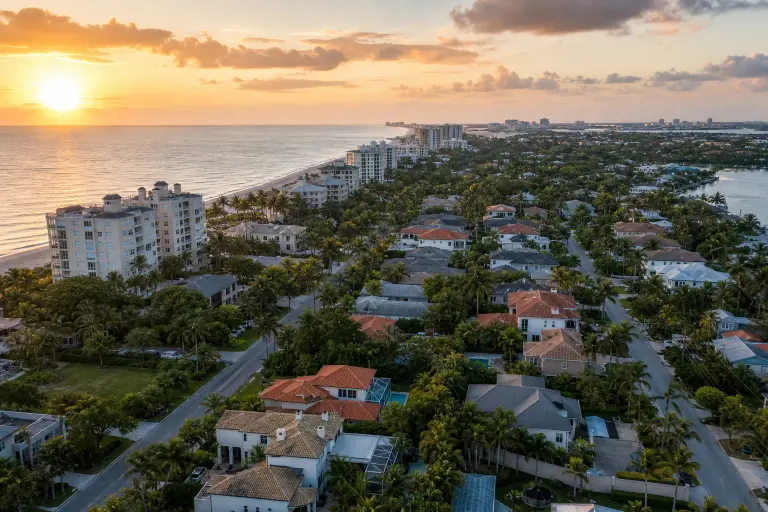
Coastal areas can appeal to buyers who value beach access, water views, dining, and a vacation-oriented atmosphere. Homes may be older, lots may be smaller, and storm preparation can be a more visible part of ownership. Evaluate the building condition, elevation information, parking, and insurance options as closely as the view.
Central Naples Neighborhoods
Central locations often make it easier to reach shopping, dining, healthcare services, and downtown activities. They can work well for buyers who want a shorter drive to everyday destinations while remaining within reach of the coast. Individual streets can feel quite different, so a neighborhood tour should go beyond the main commercial corridors.
North Naples Communities
North Naples includes gated developments, golf communities, established neighborhoods, and newer construction. Buyers should distinguish between included amenities and optional club memberships. They should also ask about future development, construction activity, gate procedures, landscaping standards, and the rules that apply to guests, pets, rentals, and renovations.
East Naples And Inland Options
Inland neighborhoods may offer more interior space, newer construction, or a different price point than coastal options. The tradeoff can be a longer trip to the beach or central Naples. Inland location does not eliminate water-related concerns, so drainage patterns and property-specific flood information still deserve careful review.
Use A Simple Neighborhood Scorecard
Rate each target area from one to five in the same categories. A scorecard makes tradeoffs visible and gives couples or family members a clearer way to compare priorities.
- Location: How practical are the drives to the places you will visit every week?
- Housing fit: Do typical homes match your needs for size, age, layout, and upkeep?
- Total cost: Can you comfortably manage taxes, insurance, fees, utilities, and maintenance?
- Daily life: Does the area feel as quiet, social, private, walkable, or active as you want?
- Future flexibility: Would the neighborhood still make sense if your household, travel plans, or mobility needs change?
- Risk and restrictions: What should you know about flooding, storms, traffic, construction, association policies, or assessments?
Review The Naples Market Before Setting A Budget
Citywide averages can be useful background, but they should not determine what you offer for a specific Naples home. Market conditions may vary by neighborhood, price tier, home condition, and property type. Compare recent closed sales with active and pending listings that closely resemble the home in size, location, age, amenities, and condition.
Separate single-family homes from condominiums and townhomes when reviewing data. Condominium buyers should also consider the financial condition of the association and the condition of shared building components. A price reduction does not automatically signal value, and a higher asking price does not prove that a property is overpriced. The supporting facts matter.
Check Flood Exposure And Insurance Early
Flood review belongs near the beginning of the buying process, not the end. The City of Naples states that its 2024 Flood Insurance Rate Maps are in effect for construction and insurance purposes, and buyers can use the city’s flood zone maps as an initial address-specific research tool. Confirm the designation and its implications with qualified floodplain and insurance professionals.
- Request an insurance quote before the inspection period expires.
- Ask whether an elevation certificate is available.
- Review disclosed flood claims, storm repairs, permits, and remediation work.
- Identify protective features such as impact-rated openings, shutters, flood vents, or elevated equipment.
- Remember that standard homeowners coverage generally does not include flood damage, as Florida’s flood insurance guidance explains.
Look Beyond The Listing Price
An affordable purchase price can still produce a costly ownership experience. Build a realistic comparison for every finalist property that includes homeowners and flood insurance, property taxes, association dues, reserve funding, potential assessments, utilities, roof and exterior upkeep, pool care, landscaping, and club membership costs. For condominiums, ask exactly what the monthly fee covers and what remains the owner’s responsibility.
Test The Neighborhood Before Making An Offer
Return more than once. Drive the route during morning and evening traffic, walk nearby streets, and visit after rainfall if timing allows. Check noise, lighting, sidewalk conditions, drainage, cell service, and the practical route to groceries, medical appointments, beaches, and favorite restaurants. Conversations with nearby residents can add useful context, but documents and inspections should guide the final decision.
A Practical Five-Step Decision Process
- Select three target areas. Start with lifestyle and budget instead of chasing one listing.
- Compare full ownership costs. Use the same expense categories for every property.
- Review property-specific risks. Examine flood information, permits, inspections, repairs, and association records.
- Visit repeatedly. Test convenience under normal daily conditions.
- Make an evidence-based offer. Use recent comparable sales and advice from qualified professionals.
Conclusion
The best Naples neighborhood is not automatically the closest to the beach or the one with the highest price. It is the one that fits your budget, routine, maintenance comfort level, and long-term plans. A consistent scorecard, careful cost review, flood research, and repeated visits can turn a complicated Naples home search into a more confident decision.