Modern Home Architecture: A Complete Guide to Contemporary Design, Functionality, and Style
Modern home architecture has changed the way of thinking towards the designs of houses. The design of a house with straight lines, large rooms filled with light, and practical layout is an example of modern home architecture. People nowadays are interested in having houses that look beautiful while providing a lot of comfort to the residents.
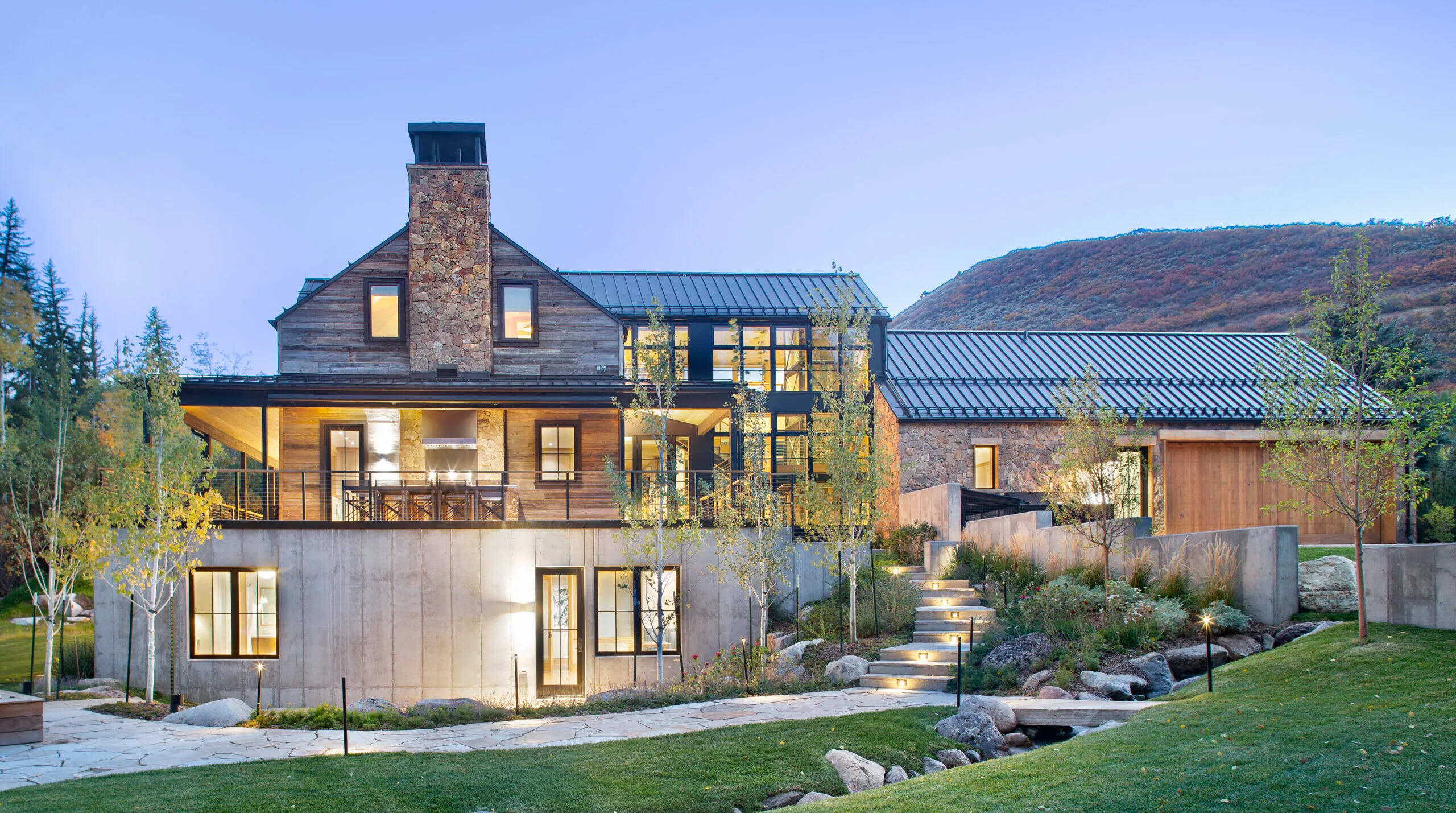
While traditional houses have a decorative approach, modern home architecture focuses on simplicity. Modern architecture for homes includes large windows, sustainable construction materials, and high-end technology. Be it construction or renovation, if you want to design your home, then it will be important for you to know what kind of design you should choose.
This article talks about the principles, advantages, and elements of modern architecture of houses.

What Is Modern Home Architecture?
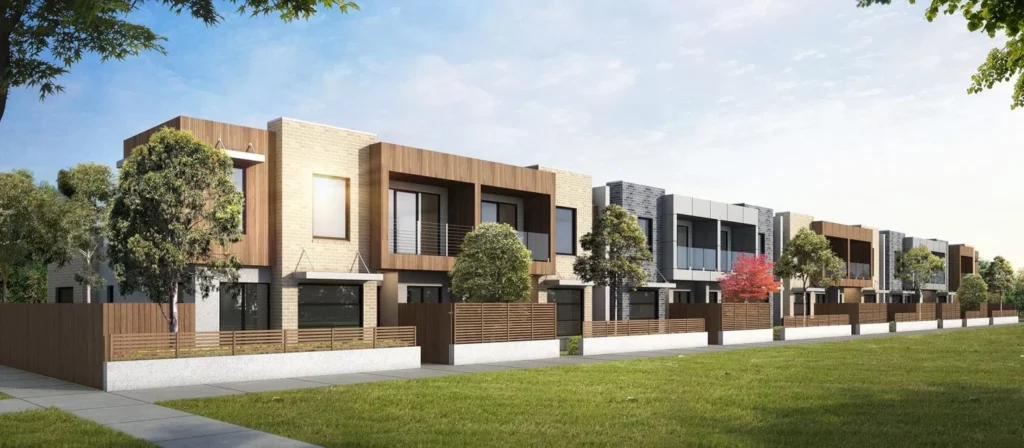
Modern home architecture is a form of architectural design that emphasizes simplicity, efficiency, and innovative thinking. It originated in the early 20th century and is characterized by a lack of ornate designs and clean geometric forms.
The purpose of modern home architecture is to produce houses that are efficient, comfortable, and aesthetically pleasing without resorting to superfluous decorations. Natural lighting, open floor plans, and harmonious integration of indoors and outdoors are essential to architects.
Some key features include:
• Flat or low-slope roofs
• Open-floor-plan interiors
• Big windows made of glass
• Non-ornamental designs
• Ecological materials
• Practical layouts
• Simple geometric shapes
Modern homes appeal to people who appreciate a contemporary way of life.
Key Features of Modern Home Architecture
Open Floor Plans
Among the key features of a modern home architectural style is an open floor plan. Traditional houses usually divide rooms using walls and hallways. In modern homes, these obstacles are eliminated to provide an ample amount of space and openness.
An open layout provides a number of benefits:
• Natural light is better distributed throughout the house
• Better traffic pattern
• Increased opportunities for socialization
• Furniture can be arranged flexibly
Combining kitchen, dining room, and the living room in one big room has become a signature of modern architecture.
Large Windows and Natural Light
A major focus in modern home architecture is natural light. Houses use large windows or even glass walls and ceilings to let sunlight inside the rooms.
Key benefits of the natural light include:
• Energy saving
• Improved mood and overall health
• Aesthetic effect
• Better connection with nature
Special attention is paid by architects when placing windows.
Design Minimalism
Modern home architecture is very close to design minimalism. In contrast to lavish and decorative interiors, modern houses emphasize functional items.
Key features of minimalism may be considered such as:
• Neutral colors
• Smooth surfaces
• Simple furniture
• Clutter-free interior
• Functionality of items
Thus, the result will be a comfortable and elegant home for a family.
Indoor-Outdoor Flow
The transition from indoor to outdoor spaces is one more aspect of modern architectural design.
Features of such design may include:
• Glass sliding doors
• Outdoor area
• Courtyards
• Sheltered patios
• Landscaping
Thus, it expands the living space and helps people spend time outside.
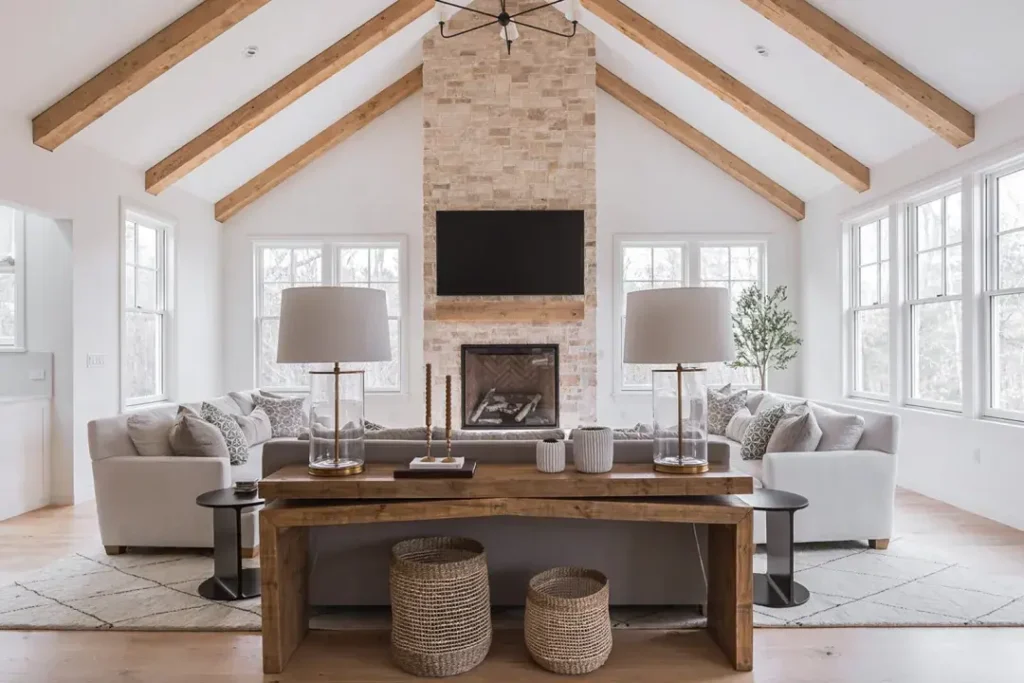
Popular Materials Used in Modern Home Architecture
Glass
One of the most distinguishable elements of modern home architecture is glass. The wide application of this material ensures transparency and spaciousness.
Among advantages provided by modern glass technologies are:
• Energy efficiency;
• Safety from UV radiation;
• Better insulation;
• Greater security.
Windows and glass walls still constitute an essential part of contemporary houses.
Steel
Steel provides high durability, sustainability, and versatility. Architects use steel to create modern structures with fewer support pillars.
Advantages of steel:
• High structural stability;
• Long lifespan;
• The modern look;
• Resistance to pests and decay.
Concrete
Due to high durability and versatile use, concrete has gained popularity in modern home architecture.
Advantages:
• High thermal performance;
• Low maintenance costs;
• Fire-resistant;
• Modern look.
Exposed concrete is usually associated with the minimalist look of modern houses.
Wood
This natural material helps to add warm tones into industrial architectural styles created with the use of steel and concrete.
Typical applications:
• Flooring;
• Exterior and interior walls;
• Interior ceiling finishing;
• Exterior wall cladding.
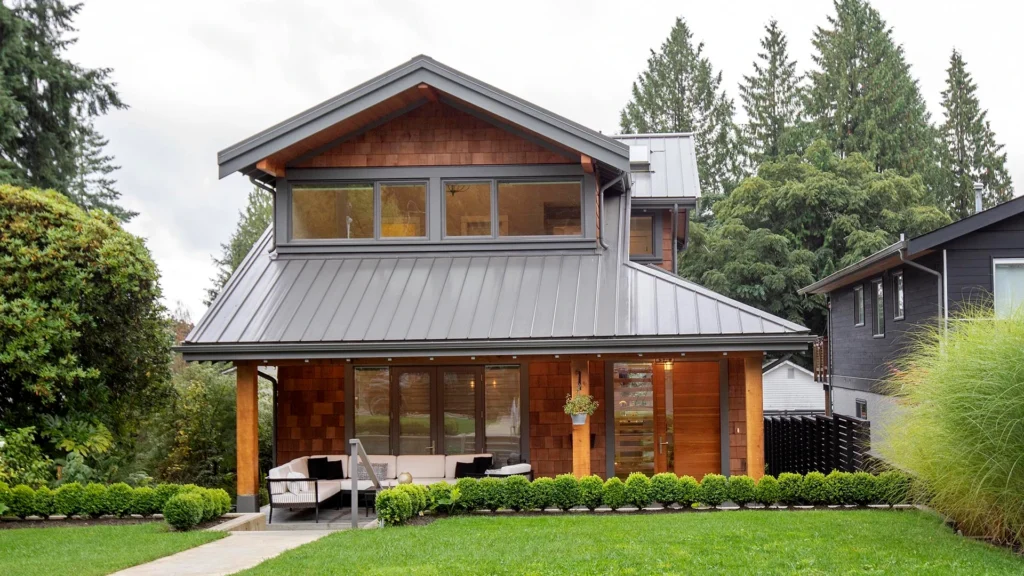
Benefits of Modern Home Architecture
Improved Functionality
The modern style of house design focuses on utilizing all spaces efficiently. All the rooms in a modern home have a specific purpose, ensuring maximum functionality.
Energy Efficiency
A few energy-saving components usually feature in modern houses, such as:
• Insulation
• Solar panels
• Energy-efficient windows
• Smart thermostats
• LED lighting
Such components help to save on electricity bills and minimize environmental harm.
Higher Resale Values
Because most people prefer to live in modern homes due to their unique nature, a house that has been built using the principles of modern architecture may potentially increase its resale value.
Increased Flexibility
In modern designs, the flexibility is created by having open floor plans and spaces that can be repurposed to meet changing needs.
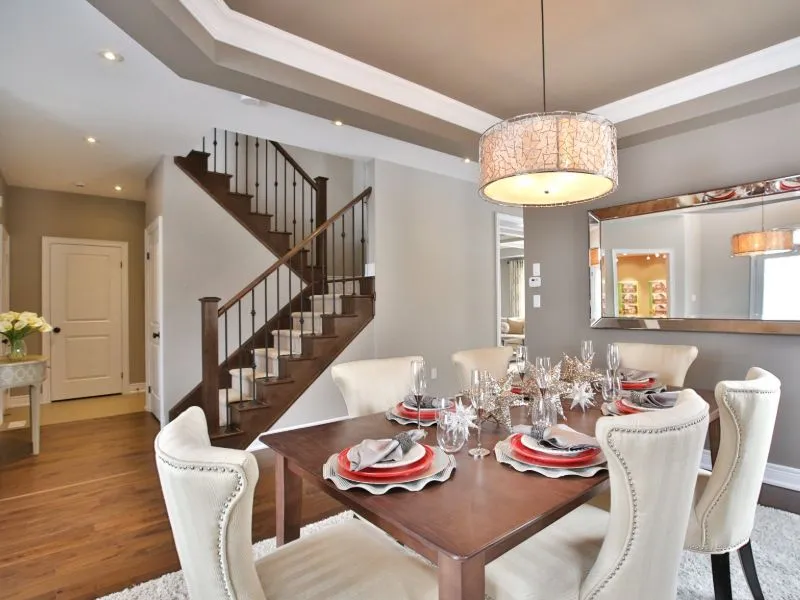
Modern Home Architecture and Sustainability
Sustainability has become one of the most pressing issues in modern home architecture. Modern architects build sustainable houses, which are efficient as well as environment-friendly.
Some of the features of sustainable design include:
• Design using passive solar energy
• Harvesting rainwater
• Building with recycled materials
• Building with green roof
• Use of energy-efficient appliances
Such designs enable us to conserve resources and provide healthier living conditions.
Smart Technology in Modern Home Architecture
Technological advancements play a crucial part in modern home architecture designs.
Some of the most common technologies used include:
• Automatic lights
• Voice-activated appliances
• Security cameras
• Climate control from afar
• Window blinds that close automatically
Through the use of technological advancements in architecture, homeowners can create a more interactive living space.
Future Trends in Modern Home Architecture
The future of modern home architecture keeps changing due to advances in technology, sustainable building practices, and changing lifestyles.
Some of the latest trends are:
Biophilic Architecture
Biophilic architecture promotes the connection between humans and nature through the use of natural materials and plants as well as access to the outdoors.
Net Zero Houses
A net zero houses uses renewable energy resources to generate power equal to what it consumes.
Flexible Layouts
Modern architecture for home offices and flexible living spaces will continue as more individuals opt to work from home.
Building Materials
Innovative construction materials have greater durability, increased insulation, and environmental considerations.
All these will ensure modern home architecture stays relevant to future requirements.
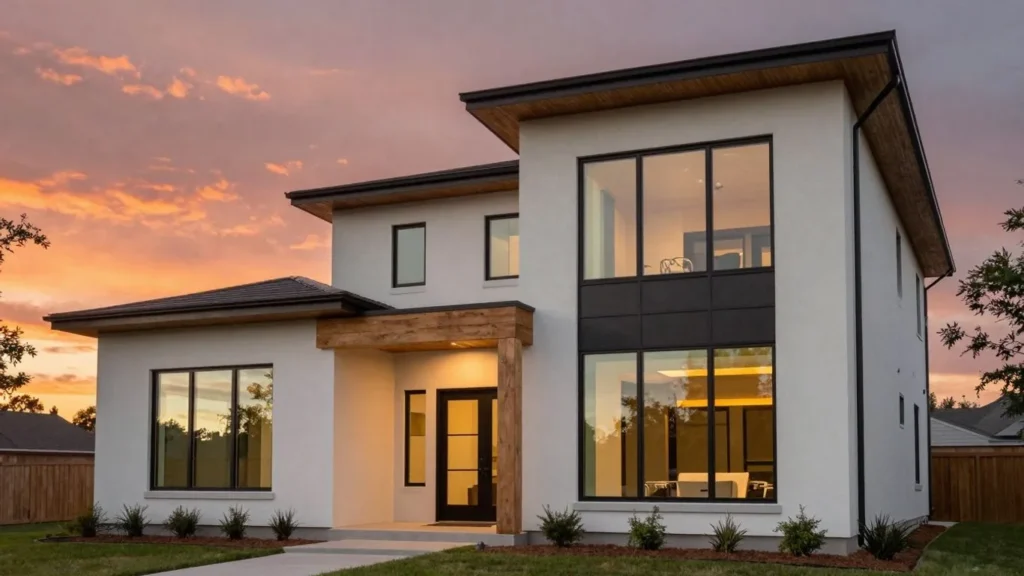
Conclusion
The modern home architecture stands out as the epitome of style, functionality, and innovation, with its focus on clean lines, open spaces, ample lighting, and sustainable design making it one of the most sought-after forms of architectural design for homes.
For anyone looking to build a new house or refurbish an old one, the application of modern home architecture will lead to improved comfort and energy efficiency, and the benefits associated with this form of architecture will only be accentuated with advancements in technology and sustainability.
Building according to the tenets of modern home architecture is more than a matter of aesthetics; it involves designing a space that is conducive to modern living and geared towards the future.
FAQs
What is the definition of modern home architecture?
Modern home architecture is an architectural style that places emphasis on simplicity, functionality, clear lines, spaciousness, and the use of natural light.
What materials are utilized in modern home architecture?
The most common materials used are glass, steel, concrete, and wood, and sometimes a combination of all these materials is used to achieve modernity.
Why is modern home architecture preferred by many people?
Modern home architecture is preferred because it provides space efficiency, saves energy, is aesthetically pleasing, and offers versatile spaces that accommodate modern needs.
Is modern home architecture considered energy-efficient?
Yes, most modern homes are equipped with insulation, energy-saving windows, solar panels, and smart technologies.
How is modern home architecture different from other types of architecture?
Traditional architecture emphasizes decoration and division of rooms, whereas modern home architecture emphasizes simplicity and efficiency in terms of functionality.
Can modern home architecture improve the value of one’s property?
Yes, modern architecture increases the value of homes due to their features.
Do you need more information about Plan House Small