Landscape Timbers: Complete Guide to Uses, Benefits, Installation, and Maintenance
Landscape timbers are most versatile materials used to improve outdoor areas. Whether you want to create raised garden beds, construct retaining walls, build flower beds, or create beautiful walkways, landscape timber can be of great use in this regard. Because of its versatility, durability, low cost, and appealing look, it is used by homeowners all over the country.
The best part about using landscape timber is that it is very easy to install and requires only minimal effort to maintain. You can find landscape timber in many forms, like treated wood, cedar, pine, and composite, and thus you can use it to create different types of landscapes.
This article tells you all about landscape timber, such as its advantages, applications, installation procedure, maintenance tips, and landscaping ideas.

Why Choose Landscape Timber?
Landscape timber is the best type of material for people who wish to have something strong and at the same time made from materials that they use for their landscape projects. Landscape timber can be used in your landscaping project even if you don’t have any advanced construction knowledge.
These are some advantages of this material:
• The affordability compared to other materials such as stones and concrete
• Easy to install even for a do-it-yourselfer
• Durable
• Natural look
• Great for garden pathways
• Come in various sizes
• Easy to replace
Common Uses of Landscape Timbers
Build Raised Garden Beds
Some of the most common ways of using landscape timbers include creating raised garden beds. These timbers will contain your soil and enhance its drainage. Raised beds will also make gardening easy since you will not have to bend down.
The advantages of raised beds include the following:
• Drainage enhancement
• Effective weed control
• Simple soil management
• Aesthetic garden borders
Garden Bordering
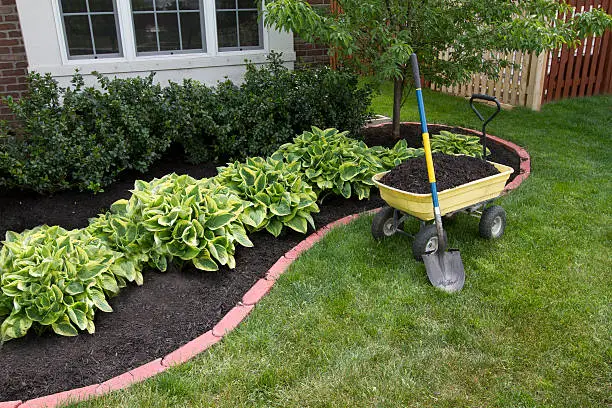
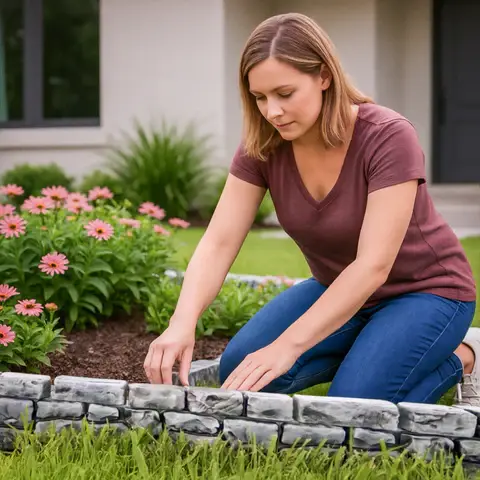
Use of landscape timber for bordering flower beds will make it possible for you to separate the lawn from the planted area through clean lines. Additionally, the use of garden borders will protect the mulch from being washed away by heavy rains.
Bordering gardens using timber will add professionalism to your landscape and make it easier for you to cut grass.
Retaining Wall Construction
In case your property is hilly, then landscape timber can be used to construct retaining walls that help reduce soil erosion.
Although they can be used to construct retaining walls only at lower heights, they are cheap alternatives to concrete blocks.
Design Walkways
Most people use landscape timbers when framing gravel, mulch, or stone walkways.
It helps in making your garden more appealing and ensures that guests can move through the garden without harming any plants.
Outdoor Stairs
When constructing outdoor stairs on mild slopes, landscape timbers are the best option.
Types of Landscape Timbers
The selection of materials will depend on your objectives for your landscaping project.
Pressure-Treated Wood
Landscape timber made of pressure-treated wood are resistant to insects, moisture, and rotting.
Strengths:
• Inexpensive
• Have longevity
• Commonly found
Weaknesses:
• It is not advisable to plant vegetables that are edible in this wood.
Cedar Timbers
Timbers made of cedar have natural resistance to rot and insects.
Features include:
• Visually appealing
• Nice smell
• Durable
• Low maintenance
Despite their higher price, people like the premium appearance of these timbers.
Pine Timbers
Timber made of pine is inexpensive.
Advantages:
• Small in size
• Lightweight
• Economical
However, untreated timber made of pine needs more maintenance and doesn’t have longevity outside.
Composite Landscape Timbers
Composite landscape timbers are made up of wood fibers and plastic.
Features include:
• Resistant to rot
• Minimal maintenance
• Durable
• Environmentally friendly
Composite timbers are expensive at first but economical in the long run.
How to Install Landscape Timbers
Landscape timber installation is a simple do-it-yourself project.
Step 1: Design Your Layout
Measure the area and decide how many timbers you will require.
Indicate the design using stakes and string.
Step 2: Prepare the Area
Eliminate grass, weeds, and any rocks from the ground.
Prepare a flat ground to provide a stable base.
Step 3: Put up the First Timber
Install the first timber very carefully because it serves as a guide for laying other timbers.
Check whether it is flat.
Step 4: Hold the Timbers in Place
Long landscape spikes or rebar can be used to hold landscape timbers securely into the ground.
When working with stacked projects, stagger the joints.
Step 5: Filling the Project
After completing installation, put fill material in the form of soil, gravel, mulch, or stones depending on your landscape construction project.
Maintenance Tips for Landscape Timbers
Timber maintenance increases the lifespan of landscaping timber dramatically.
Adhere to these maintenance recommendations:
• An annual check for rotting must be done.
• Rotted parts should be replaced immediately.
• Weed clearing near the edges is required.
• Good drainage must be ensured to avoid puddles.
• Wood sealant should be applied whenever necessary.
• Mulch should not trap too much moisture.

Creative Landscape Timber Ideas
You can find an endless number of uses for landscape timber in your home environment.
Some common uses of landscape timber include:
• Raised beds for vegetables
• Seating arrangements for a fire pit
• Trees that create barriers
• Sandbox for children
• Decorative retaining walls
• Paved garden walkways
• Benches for outdoors
• Frame for compost bins
• Edges for water features
• Play areas in backyard
Landscape Timbers vs. Railroad Ties
Landscape timbers are often compared to railroad ties.
Landscape timbers are lighter, more manageable, and are made exclusively for landscaping purposes.
Railroad ties, on the other hand, are much heavier and can even have creosote, rendering them inappropriate for use in home gardening.
Landscape timbers are still the better choice for most homeowners.
Mistakes to Avoid
Be sure not to make the following errors while using landscape timbers:
• Omitting ground preparation
• Neglecting drainage issues
• Using raw wood for moist spots
• Skip proper securing of timbers
• Constructing retaining walls too tall
• Overlooking annual maintenance
Not making these mistakes will ensure that your landscaping project endures for years.
Conclusion
Landscape timbers are among the most suitable building materials for inexpensive yet beautiful landscaping ideas. No matter whether it is about building raised planters, adding edging to flower gardens, designing walkways or making retaining walls, you will definitely find landscape timber to be a great choice.
If you install the chosen material properly and maintain it well, you will end up with a great way to beautify your property along with ensuring the reliability of the installation.
FAQs
1. How long will landscape timbers last?
Pressure-treated landscape timbers have an average life span of 10 to 20 years.
2. Can I use landscape timbers for my vegetable garden?
Untreated cedar timber is considered ideal for a vegetable garden, but it is best to check that the treated timber can be used in the garden.
3. Can I build landscape timbers myself?
Yes. Most landscape timber projects will only require some basic skills, planning, and proper securing.
4. What type of wood should I use for landscape timbers?
Cedar gives excellent natural durability, and pressure-treated wood is considered best in terms of cost and durability.
5. Does landscape timber need maintenance?
Yes. Landscape timbers need regular inspection and drainage, along with sealing.
Do you need more information about How to Keep Plants Alive