Modern English Tudor Homes: A Perfect Blend of Heritage and Contemporary Living
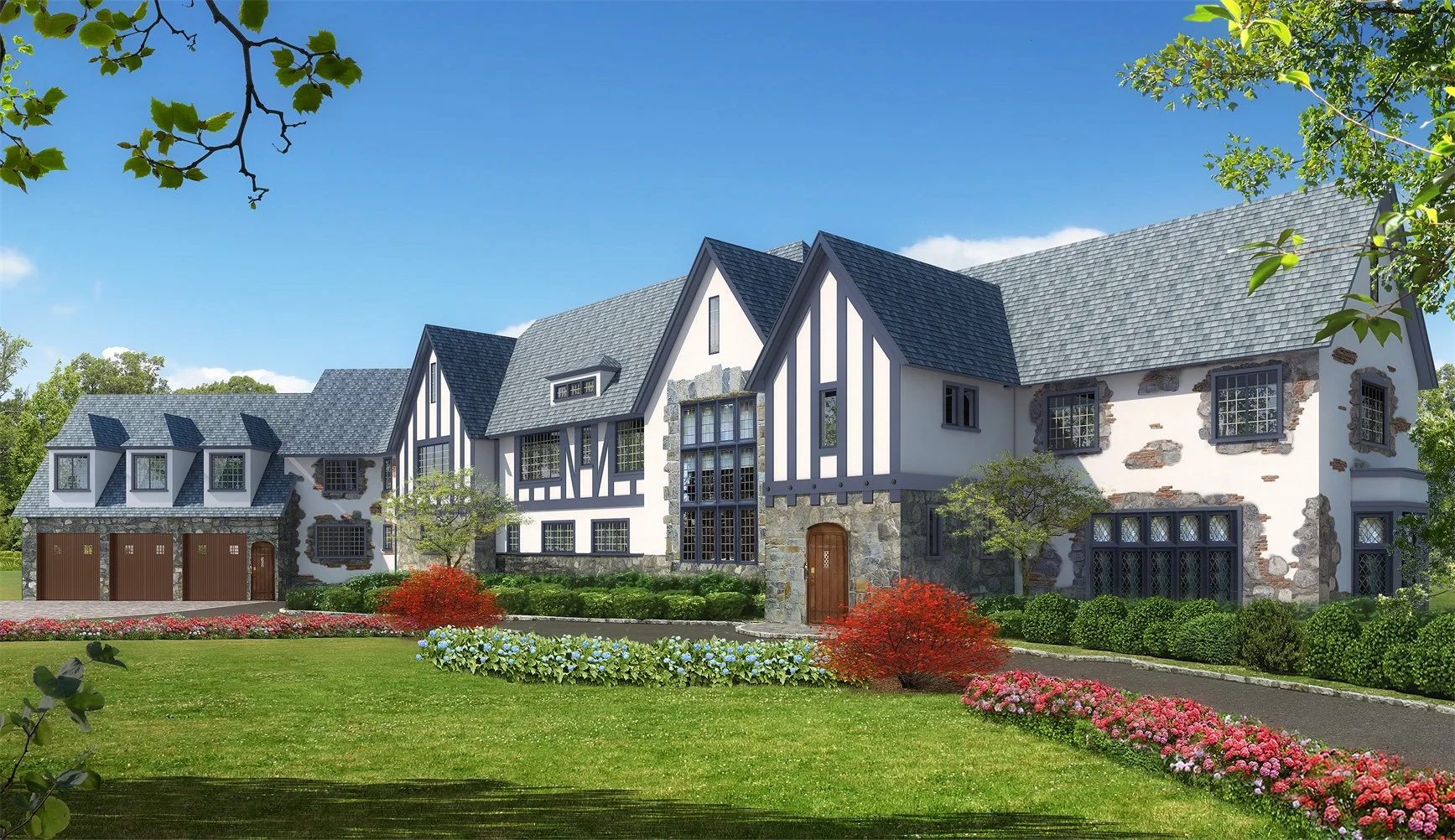
There are few architectural designs that have held on to their charm like that of Modern English tudor homes. The design is known for its roof with steep lines, half-timbered structure and old-world charm. However, Tudor houses have gone through many changes since then. While today’s homeowners value the charm of the Tudor house architecture, they also yearn for open floor plan and energy-efficient homes.
Thus, Modern English Tudor homes have become one of the most coveted designs in home architecture. It is a combination of centuries-old designs and modern features. Whatever may be the case, if one wants to build a new home following the architectural design of England or renovate a Tudor house, this knowledge will come in handy.
What Defines Modern English Tudor Homes?
Modern English Tudor homes retain a lot of features that are common with the old-style English houses, but with a touch of current living arrangements.
Old English Tudor houses were designed in England during the late medieval era. The design became fashionable in America during the early 20th century during the Tudor Revival era.
Modern English Tudor homes keep the same appearance but use new technology in their construction.
Signature Architectural Features
Most Tudor houses today have the following elements:
• High-pitched roofs
• Half-timbered decoration
• Exterior walls made out of brick, stucco, or stone
• High chimneys
• Casement windows
• Architectural entrances
• Unsymmetrical facades
• Different exterior finishes
All these elements help keep historical accuracy intact while incorporating modern design concepts.
Traditional Versus Modern Tudor Homes
| Feature | Traditional Tudor | Modern Tudor |
| Floor Plan | Compartmentalized rooms | Open concept layouts |
| Windows | Small leaded glass | Energy-efficient glazing |
| Materials | Timber and stone | Engineered materials |
| Kitchens | Closed spaces | Open kitchens with islands |
| Lighting | Limited natural light | Larger windows and skylights |
| Technology | Minimal integration | Smart home systems |
| Energy Efficiency | Low | High-performance insulation |
Modern interpretations prioritize comfort without sacrificing architectural identity.

The Growing Popularity of Modern Tudor Architecture
There is a growing tendency among homeowners to shun away from minimalist designs and adopt warmer ones.
The resurgence has led to an increase in the popularity of modern English tudor homes among those who appreciate craftsmanship and historical significance.
Unlike contemporary box-shaped buildings, Tudor houses are designed in such a way that adds texture, details, and proportion to their exteriors.
There are many reasons behind their popularity.
Attractive Timeless Design
There is something timeless about the design of Tudor homes.
They rarely appear old-fashioned and are still attracting people.
Adaptation for Contemporary Life
One of the most significant benefits of modern English tudor homes is the flexibility of their design.
The architects can include:
• Home offices
• Wellness centers
• Media rooms
• Smart technology
• Environmentally-friendly building materials
• Spacious entertainment spaces
This design makes modern English Tudor homes functional for contemporary life but keeps traditional charm.
Higher Real Estate Value
Architecture that features unique style usually comes at a higher price.
Well-developed Tudor-style homes tend to appeal to potential buyers seeking more personality from their home.
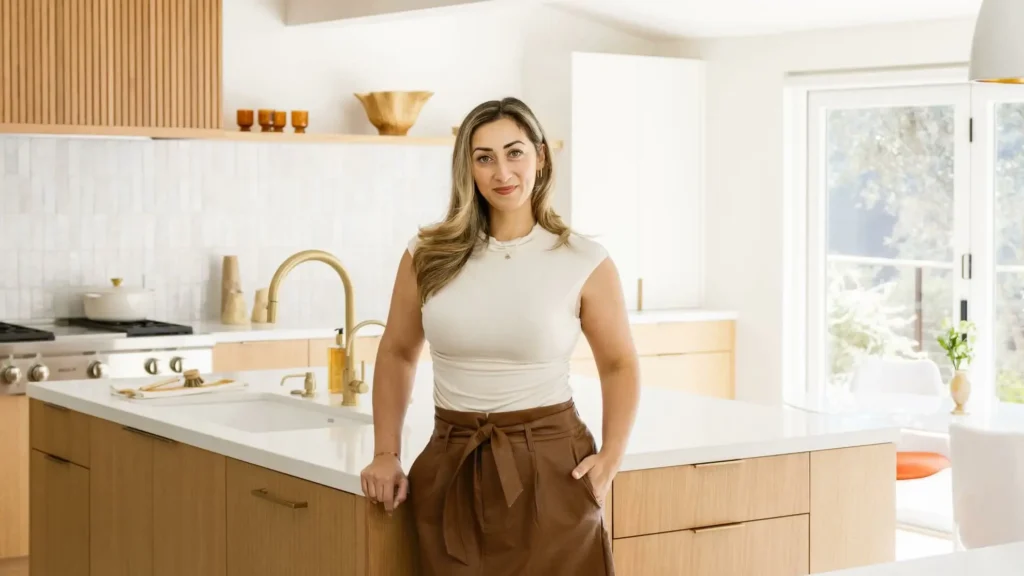
Exterior Characteristics of Modern English Tudor Homes
Exterior design is among the prominent features of Tudor architecture.
Present day architects use traditional designs made out of materials that require minimal maintenance.
Details of Half Timbering
Half-timbering is probably the most distinguishing feature of Tudor architecture.
In modern constructions there is no need to use wooden framework, instead, architects may apply decorative engineered wood.
Advantages of such materials are:
• Minimal maintenance
• Better weather resistance
• Longevity
• Durability
But the appearance stays truly authentic.
Design of the Roof
Dramatic looks are created by steep rooflines.
Options for roofing in modern houses can be:
• Architectural shingles
• Materials resembling slate
• Metal roofing
• Composite tiles
Such materials will make roof last longer and still keep traditional Tudor appearance.
Stone and Brick Details
Natural textures play important role in making modern English tudor homes charming.
Popular materials are:
• Limestone veneers
• Brick masonry
• Stucco exterior
• Reclaimed stones
• Made of stone panels
Using different textures adds complexity to your home.
Interior Design Trends in Modern Tudor Homes
Though exteriors retain historic elements, interiors incorporate modern practicality.
Today’s homeowners prefer large spaces, plenty of sunlight, and easy transitions between the indoor and outdoor spaces.
Open Floor Plans
The traditional Tudor houses usually have many small rooms.
Current designs eliminate unnecessary dividers and create large, flowing spaces.
Such areas may be the following:
• Kitchen and dining rooms
• Great rooms
• Breakfast nooks
• Family gathering rooms
An open floor plan is beneficial for better movement and more daylight.
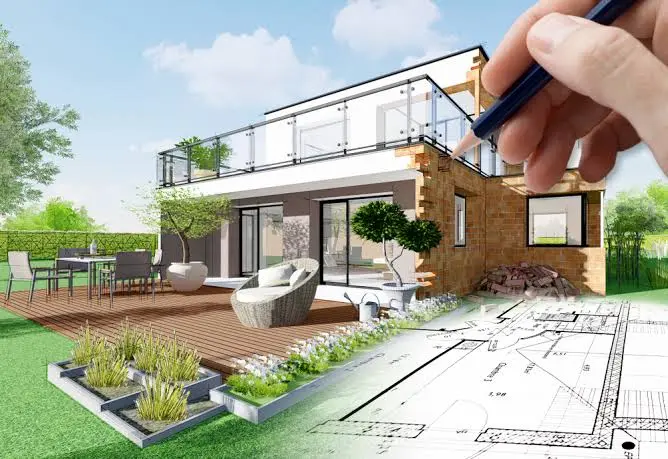
Natural Materials
Natural materials emphasize the warmth of Tudor style.
The common choices are:
• White oak flooring
• Natural stones
• Visible beams
• handcrafted tiles
• textured plaster walls
These elements ensure authenticity and modern look.
Neutral Color Schemes
Modern interiors of the Tudor style do not use dark colors anymore.
Today’s homeowners tend to choose:
• Warm whites
• Beige hues
• Muted greens
• Charcoal accents
• Earthy browns
Modern Tudor Kitchens That Balance Tradition and Innovation
The kitchen has been one of the most altered rooms in modern English tudor homes.
It is designed in such a way that the designers try to keep the historical appeal intact and add functional elements which one expects from high-end homes.
Common Kitchen Elements
Some common kitchen elements in contemporary studies are:
• big islands
• hidden storage
• custom cabinetry
• quartz counters
• brass fixtures
• installed appliances
• spotlighting
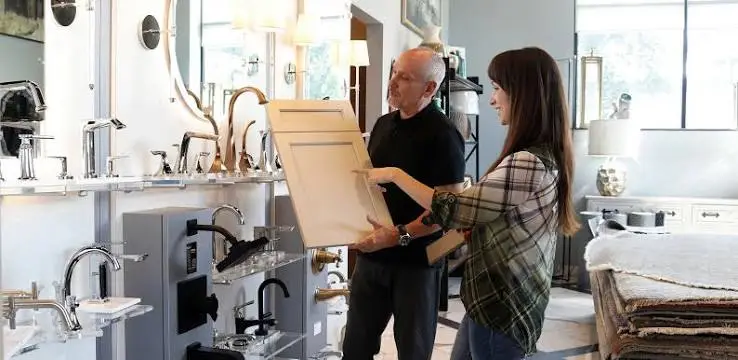
Cabinetry design
Cabinets in the contemporary kitchens have a combination of traditional and minimalist styling.
Some common types of cabinetry include:
• Shaker style doors
• Inset cabinets
• Wood tone finishes
• Painted cabinets
• Mill work
Creating Modern Tudor Living Spaces
Living rooms act as central gathering places in Tudor homes.
In the past, these rooms featured fireplaces along with handmade components.
Modern day living rooms maintain these aspects but include modern furniture.
Essential Design Aspects
Some important aspects in today’s living rooms are:
• Vaulted ceilings
• Beamed ceilings
• Big fireplaces
• Big windows
• Many textures
• Seating area
These features bring comfort to a home.
Lighting Solutions
Tudor homes were famous for having dark interiors.
Modern day designs enhance light through:
• Skylights
• Bigger casement windows
• Pendant lighting
• Recessed lighting
• Wall sconces
Layered lighting adds to functionality.

Landscaping Ideas for Modern English Tudor Homes
Landscape design is very important when it comes to the enhancement of the Tudor architectural style.
This will be achieved by designing a landscape that compliments the architectural history of the house.
Popular Landscape Elements
Most of the homeowners use:
• Stone walkways
• English cottage gardens
• creeping vines
• Foliage
• Vine hedges
• Wrought iron gates
They add to the beauty of the landscape and create a unifying design theme.
Outdoor Entertainment Areas
Today’s world emphasizes the importance of entertaining out-of-doors.
Some common outdoor entertaining elements in modern-day Tudor landscaping are:
• Paved patios
• Outdoor kitchens
• Fire pits
• Pergolas
• Garden seating areas
Advantages and Challenges of Modern English Tudor Homes
Every architectural style has strengths and limitations.
Understanding both perspectives helps homeowners make informed decisions.
| Pros | Cons |
| Timeless appearance | Higher construction costs |
| Distinctive curb appeal | Specialized craftsmanship required |
| Strong resale potential | Complex roof maintenance |
| Rich architectural detail | Longer build timelines |
| Flexible interior layouts | Premium material expenses |
| Luxury aesthetic | Design complexity |
For many homeowners, the benefits significantly outweigh the challenges.
Smart Technology in Contemporary Tudor Homes
Technology has become a necessity in modern house designs.
Fortunately, technology systems can be integrated seamlessly into Tudor-style houses.
Some of the most popular include:
• Automated lights
• Security systems
• Climate control system
• Voice command systems
• Smart home appliances
• Energy monitoring
These technologies not only make the house more convenient but also keep its original looks.
Sustainable Design Solutions
Sustainability has been becoming increasingly important for modern English tudor homes designs.
Construction companies tend to apply sustainable construction solutions such as:
• High-performance windows
• Insulation
• Solar panels
• Energy-efficient HVAC systems
• Water-saving fixtures

Renovating Older Tudor Homes for Modern Living
Many people prefer renovations over constructing from scratch.
Historic buildings need proper planning so that their architecture is preserved.
Sections that Can Be Remodeled
The list includes the following:
• Kitchen remodeling
• Bathrooms
• improving insulation
• updating electrical
• replacing the roof
• Making windows look better
Proper preservation will ensure the house’s value for years.
Preservation Advice
Here is what experts advise:
• preserve the woodwork
• rehabilitate historic masonry
• preserve roof dimensions
• be mindful of windows
• choose proper materials
Luxury Features Found in Modern Tudor Residences
Luxury features that can be found in many of the more expensive Tudor-style houses might include:
• Wine cellars
• Spa bathrooms
• Private libraries
• Athletic rooms
• Cinemas
• Artisan millwork
• Larger-than-average master bedrooms
These do not detract from the classic design style of the house.
Design Mistakes to Avoid
The creation of a genuine look of the Tudor style involves making decisions thoughtfully.
There are a number of typical errors that reduce the design quality.
Overdoing with Decorative Items
Too much ornamentation or excessive timbering looks unnatural.
A successful example of a modern English tudor homes always remains balanced.
Ignores Scale Issues
A huge addition of a modern style to the home architecture spoils the harmony of proportions.
Compatibility of Materials
Ultra-modern materials will be wrong for the design style of Tudor.
Therefore, one should choose materials that fit the traditional architecture.
Modern English Tudor Homes Design Checklist
Outdoor Features
✓ Slanted roof lines
✓ Variety of masonry
✓ Wooden decorative details
✓ Classical window designs
✓ Unique chimney structure
Indoor Elements
✓ Open living spaces
✓ Natural finish materials
✓ Modern kitchen designs
✓ Eco-friendly systems
✓ Well-designed lighting
Landscape Features
✓ Stone walkways
✓ Cottage garden design
✓ Outdoor recreation areas
✓ Mature landscaping
✓ Architectural garden elements
Emerging Trends Influencing Tudor Home Design
Trends within architecture continue to progress, affecting how designers interpret the principles of Tudor architecture.
There are a number of innovations that will influence the future of modern English tudor homes.
Minimalist Style
Some designers have chosen to make Tudor designs more minimalistic.
Features include:
• Neater lines
• Less decoration
• Bigger glazing
• Neutral materials
• Minimal detail
This style will appeal to people who want tradition but with a modern flair.
Wellness Design
Wellness is an increasingly prominent aspect of design.
Features include:
• Meditation rooms
• Home gyms
• Spa bathrooms
• Indoor gardens
• Filters for indoor air
Why Modern English Tudor Homes Remain Relevant
There are very few styles of architecture that can boast longevity like that of Tudor style.
The adaptability of the style to changes in lifestyle guarantees that it will continue to attract home buyers, architects and contractors.
Modern variations manage to balance between history and the needs of the current age. Using technology, environmental friendliness and openness in planning, modern English tudor homes evolve further.
Tudor homes make for a great purchase for buyers who seek quality and value.
Frequently Asked Questions
What are modern English Tudor houses?
Modern English Tudor houses are a new version of traditional Tudor architecture that is characterized by classic design elements like steep roofs, brick walls, and timber framing along with contemporary interior features.
Are Tudor homes expensive to construct?
Yes. Tudor-style houses are relatively more expensive due to intricate designs, high-quality materials, complicated roof design, and bespoke construction.
Can modern interiors be constructed in Tudor homes?
Of course. It is possible to create an open floor plan, contemporary kitchen, smart technology, and minimalistic interior design while keeping the exterior of the house in the style of Tudor architecture.
What paint colors are best for modern Tudor interiors?
Warm whites, subdued greens, earthy browns, dark charcoal colors, and neutral tones are great color choices for interiors and fit perfectly into Tudor architecture.
Do modern Tudor homes appreciate well?
Uniquely styled houses usually do very well in premium markets. Well-maintained houses in the style of Tudor are usually sought after by buyers.
How to make an old Tudor home modern?
The process of updating is usually about renovating the kitchen, bathrooms, insulation, lights, windows, and other utilities.

Conclusion
The continued popularity of the modern English tudor homes are owed to the extraordinary skill by which they marry history and the modern standards of living. Whether it is through the use of beautiful exteriors, interiors, sustainable technology, or luxury features, the Modern English tudor homes manages to offer a blend of both.
No matter whether you are building your house from the ground up or renovating a historic home, opting for the Tudor style of home will ensure that your house combines timelessness with function and elegance.