Plant-Powered Protein for Kids: Healthy Nutrition Guide
One of the key aspects in raising healthy children who will be able to build a healthy body and have a strong immune system throughout their whole life is providing children with proper nutrition. However, while most people think of protein only in terms of meat or dairy products, plant-powered protein for kids has become a highly popular product which provides high nutritional value combined with vitamins, minerals, antioxidants, and fiber.
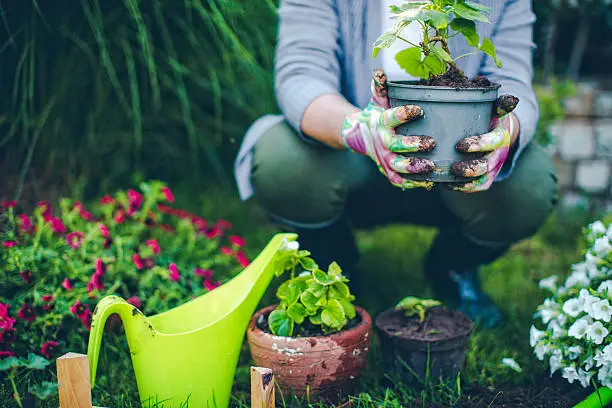
A home garden may make the process even more interesting since a person will be able to grow fresh vegetables, beans, peas, herbs, and other plants for his/her family. The combination of plant-powered protein for kids and vegetables growing in one’s backyard will allow building healthy meals and will not cause any harm to the environment.
In this thorough guide, one will learn about the best sources of plant-powered protein for kids, the amount of protein children need, get several meal ideas, and some recommendations on how to motivate children to eat properly. One will also learn about home gardening as a way of getting many necessary ingredients for protein-rich meals.

Why Protein Matters for Growing Children
The protein is an important nutrient to the human body. It is required by all cells for building, maintenance and repair. In children, protein is needed for fast growth, muscle formation, healthy bones, enzymes and hormones.
While processed protein foods contain only proteins, real plant-based meals for kids have protein, fiber, vitamins and good carbs along with it. Such foods promote digestion, keep your children satiated and contribute to their general well-being.
There are many apprehensions among parents about providing children with protein from plant foods. Nutritionists say that protein requirements can be easily met through diet that includes legumes, grains, nuts and seeds, vegetables and soy products.
Benefits of Plant-Powered Protein for Kids
Switching some of your family’s meals into plant-based proteins not only helps ensure you get enough protein but has other advantages as well.
The children who consistently eat plant-powered protein for kids usually have more dietary fiber, potassium, magnesium, folate, vitamin C, and antioxidants in their bodies. All these nutrients help them maintain proper digestion, healthy hearts, brain development, and immunity.
Plant-based proteins also have lower amounts of saturated fats compared to those found in most animal foods. This makes them a great choice for heart protection in the future. They, along with colorful vegetables and fruits, make up balanced meals which provide constant energy.
Key Benefits at a Glance
| Benefit | How It Helps Kids |
| Supports healthy growth | Builds muscles and body tissues |
| Improves digestion | High fiber keeps the digestive system healthy |
| Boosts immunity | Rich in vitamins, minerals, and antioxidants |
| Provides lasting energy | Complex carbohydrates release energy gradually |
| Encourages healthy eating | Introduces children to diverse whole foods |
| Garden friendly | Many protein-rich plants can be grown at home |
Best Sources of Plant-Powered Protein for Kids
There are many good choices that parents can make when it comes to cooking healthy meals. The idea is to include different types of food during the week, rather than relying on only one type of protein.
Beans and Lentils
Beans and lentils for kids are some of the best sources of plant proteins available. Black beans, kidney beans, chickpeas, split peas, and lentils are all good sources of protein, iron, zinc, potassium, and fiber.
They can be used in soups, wraps, pasta sauce, rice dishes, salads, and even hamburgers. The fact that they taste mild means that they will not dominate the meal.
Peas
But the thing about green peas is that they are mostly ignored, despite being the easiest-to-grow protein-packed vegetables that can easily be grown in your backyard. Green peas are high in protein, vitamin K, vitamin C, and fiber.
The taste of these fresh peas is better than that of frozen peas; hence they are liked by kids. These can either be served as a side dish or mixed into rice, soup, or pasta.
Chickpeas
Chickpeas are extremely versatile and nutritious. Apart from proteins, chickpeas offer us fibers, iron, magnesium, and folic acid.
Roasted chickpeas form yummy protein-packed snacks, and homemade hummus can be enjoyed with vegetables, crackers, or whole grain bread.
Soy Foods
The soybean is classified as being among the best vegetarian protein sources since they naturally provide all essential amino acids.
Some popular choices include:
• Tofu
• Tempeh
• Edamame
• Unsweetened Soy Milk
These products may substitute meat in most family dishes without compromising nutritional quality.
Nuts and Seeds
The following foods include proteins and fats that help brain development: almonds, walnuts, sunflower seeds, pumpkin seeds, flaxseeds, chia seeds, and sesame seeds.
Younger children can eat butter from nuts rather than the whole ones. Almond butter can be spread on whole grain bread; seed butter can be added to oatmeal.
Whole Grains
Whole grains also contain protein in amounts that may surprise many people. Foods like quinoa, oats, brown rice, barley, and whole wheat pair well with legumes for delicious family meals.
Quinoa is a particularly important food since it naturally has all the amino acids and also supplies iron, magnesium, and fiber.
Growing Protein-Rich Foods in Your Home Garden
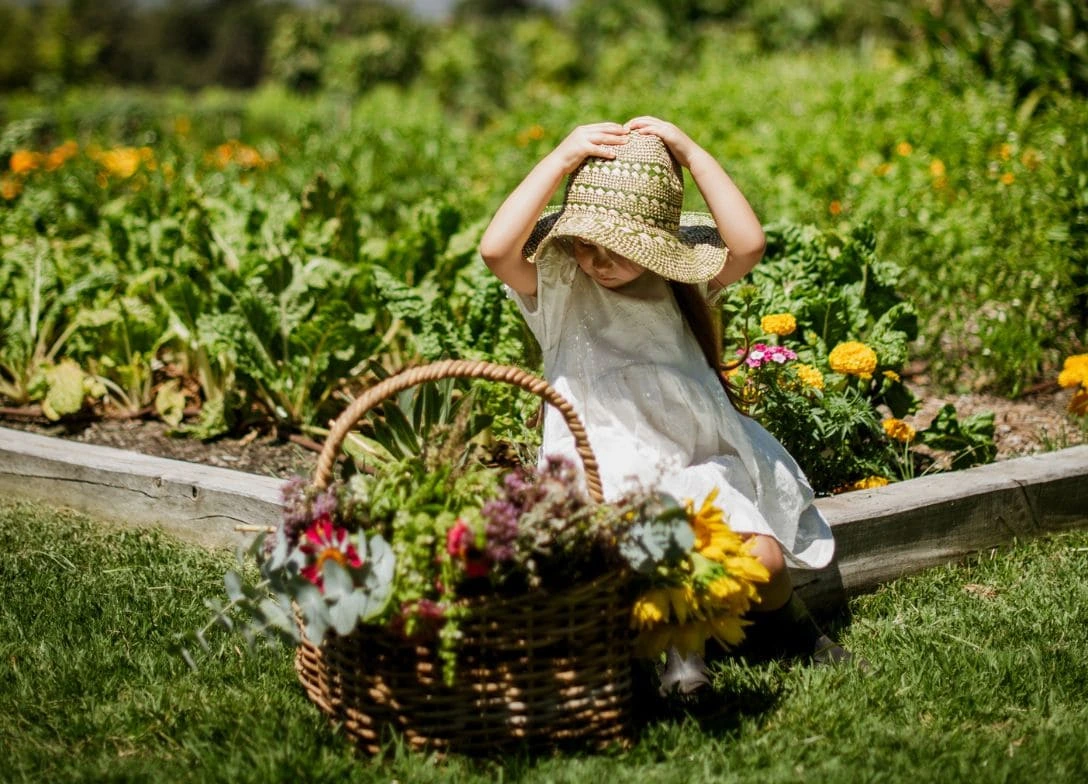
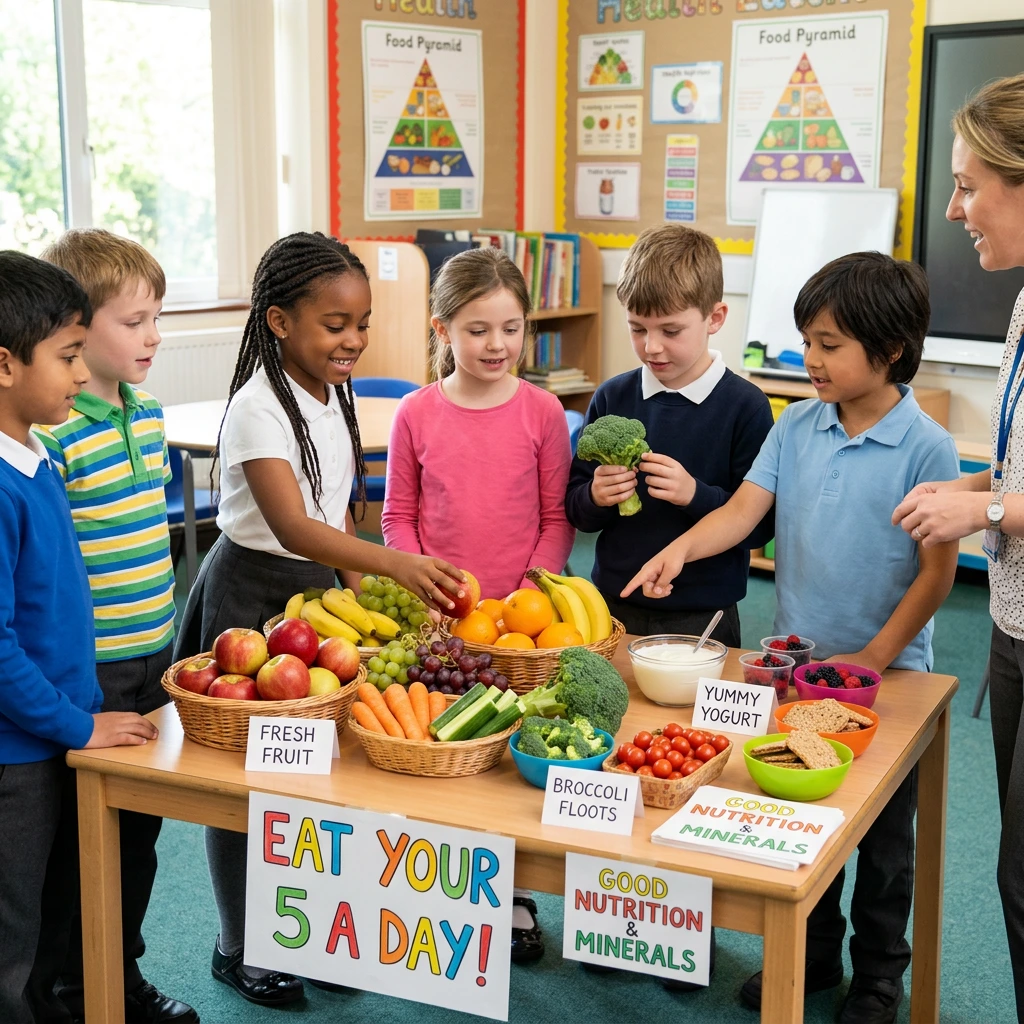
A distinct benefit of opting for plant-powered protein for kids is the fact that there are many high-protein foods that can be easily cultivated in one’s home garden. This practice promotes children’s engagement in healthy eating practices as well as their appreciation of fresh produce.
Easily cultivable foods are peas, beans, spinach, kale, broccoli, and herbs. Even though leafy greens have moderate protein content, they contain various vitamins and minerals that function together with protein for proper development.
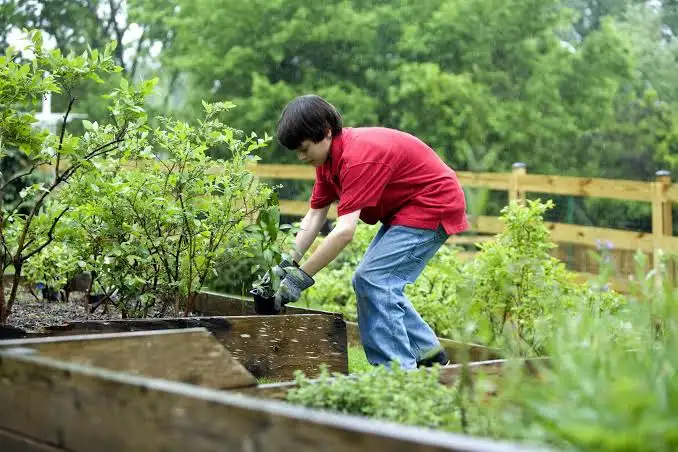
By participating in planting seeds, watering vegetables, and harvesting plants, children become more open to eating new foods.
Protein-Rich Garden Crops Worth Growing
| Crop | Protein Level | Easy for Beginners |
| Green Beans | Good | ✔ |
| Peas | Very Good | ✔ |
| Spinach | Moderate | ✔ |
| Kale | Moderate | ✔ |
| Broccoli | Moderate | ✔ |
| Chickpeas (warm climates) | Excellent | Moderate |
| Soybeans | Excellent | Moderate |
Creating Balanced Meals with Plant Protein
The idea behind giving plant-powered protein for kids is more about balance than perfection. By mixing up a variety of foods in your meals, you will naturally achieve a balanced diet.
For instance, if you combine beans with brown rice, hummus with whole grain pita, or peanut butter with whole wheat bread, you will be feeding your child protein, carbohydrates, fiber, and other vital nutrients.
Understanding Complete Proteins and Amino Acids
One of the most common misperceptions related to plant-powered protein for kids is the inability of plant foods to give complete nutrition. Protein contains several amino acids, among which there are nine of essential ones that cannot be produced by our body. Though certain kinds of plants have all essential amino acids, there are also those which have lower content of certain ones. Luckily, children are not required to eat complete protein foods during each meal. Consumption of different plant protein for children during a day gives enough amino acids for their development.
The best options for complete or near-complete vegetarian protein sources include quinoa, soy foods (tofu and tempeh), buckwheat, and combination of legumes and whole grain foods. Examples include rice and beans, lentil soup and whole grain bread, or hummus and whole wheat pita.
Daily Protein Requirements for Kids
Children need different amounts of protein depending on their age, activity level, and stage of growth. Rather than focusing only on grams, parents should aim to include high protein plant foods in every major meal.
| Age Group | Recommended Daily Protein |
| 1–3 years | 13 g |
| 4–8 years | 19 g |
| 9–13 years | 34 g |
| 14–18 years (girls) | 46 g |
| 14–18 years (boys) | 52 g |
Most children who consume a varied diet that includes plant-based meals for kids can easily meet these recommendations without relying on protein supplements.
Building Balanced Plant-Based Meals
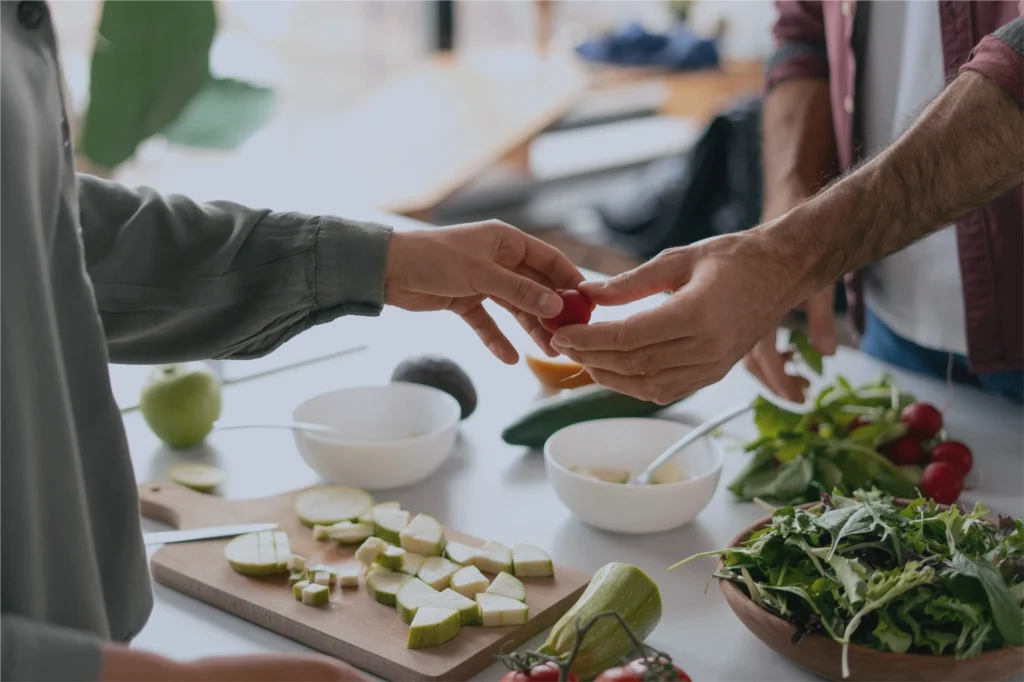
A nutritious plate must include protein, whole grains, healthy fat, and colorful fruits or vegetables. The strategy provides a sustained energy supply while ensuring proper development. Parents need to emphasize variety throughout the week rather than attempting to have all nutrients in one meal. Rotation of protein-rich vegetables, legumes, seeds, and whole grains will make the meal more interesting and nutritious.
Breakfast Ideas
Breakfast is the perfect opportunity to introduce plant-powered protein for kids early in the day.
Some examples include:
• Chia seed and banana-studded oatmeal
• Peanut butter with whole grain toast and berries
• Tofu scramble with spinach, tomato, and mushrooms
• Smoothie containing soy milk, oats, berries, and flaxseeds
Such foods will give you sustained energy as well as nutrients.
Lunch Ideas
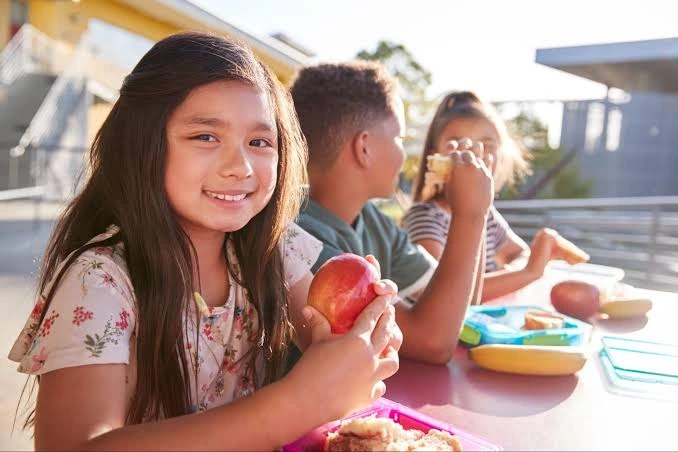
The lunch at school must be filling, easy to carry, and attractive to the children.
Some examples of such lunch could be the lentil wraps with vegetables, hummus sandwiches on whole-grain bread, quinoa salad with colorful vegetables or bean burritos with lettuce and tomatoes. Fruit could complement such a meal.
Dinner Ideas
Dinner is one of the meal times that give you many chances to prepare kid-friendly plant protein recipes for the whole family
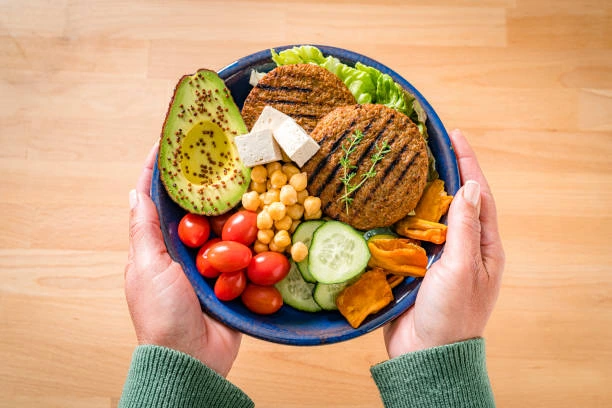
Some examples of plant-based protein meals that could be made at dinner time are vegetarian chili prepared with kidney beans, chickpea curry that can be served with brown rice, lentil pasta, tofu stir fry, quinoa bowls with roasted veggies, and black bean burgers.
Healthy Snack Ideas
Eating healthy snacks allows kids to remain energetic between meals without having to eat overly processed foods.
Examples of healthy snacks include roasted chickpeas, trail mixes that contain seeds and dried fruits, energy bites that use oats and nut butters, vegetables with hummus, soy yogurt, or whole grain crackers with seed butter.
Home Garden Vegetables That Support Protein Intake
While being less in protein content than legumes, vegetables have other nutrients that supplement plant-powered protein for kids development.
Spinach
It has iron, vitamin A, vitamin C, folic acid, and even some protein. This type of vegetable is grown fast in the garden and can be added to smoothies, omelets, soups, and even pasta.
Broccoli
This type of vegetable has fiber, vitamin C, vitamin K, and plant protein. It can be prepared as steamed broccoli, roasted florets, or broccoli soup.
Kale
It is high in antioxidants, calcium, and vitamins and, at the same time, protein. It can be added to salads, smoothies, baked chips, and soups.
Green Beans
These vegetables can be grown fast in the garden, thus motivating the child’s involvement in gardening. They also have fiber, vitamins, and some protein.

Encouraging Kids to Enjoy Plant-Based Foods
The introduction of new foods might take some time. Children will be more willing to consume healthy foods if they are allowed to participate in the selection and preparation of the dishes.
Children can be encouraged to help water garden plants, pluck vegetables from the garden, rinse food, stir food in preparation, or decorate their plates with food. Parents should not force children to consume new foods.
Common Myths AboutPlant-Powered Protein for Kids
Myth 1: Plant Protein Is Incomplete
That myth is old-fashioned. Consuming various high protein plant foods throughout the day will ensure all essential amino acids, which contribute to proper development, are obtained.
Myth 2: Children Should Consume Meat Daily
There are many children who eat healthily and properly without meat consumption daily, as planned vegetarian diet is very efficient. They receive adequate amounts of protein and other necessary components from legumes, soy, cereals, nuts, and seeds.
Myth 3: Plant-Based Dishes Are Not Interesting
Modern plant-based meals for kids include colorful stir-fries, tacos, burgers, soups, pasta, smoothies, wraps, and home-cooked snacks.
Common Mistakes Parents Should Avoid
Even healthy eating plans can fall short if they lack balance. Avoid these common mistakes when serving plant-powered protein for kids:
| Mistake | Better Choice |
| Relying on only one protein source | Rotate beans, lentils, soy, grains, nuts, and seeds |
| Serving too many processed foods | Choose whole, minimally processed ingredients |
| Ignoring iron-rich foods | Include lentils, beans, spinach, and vitamin C-rich fruits |
| Skipping healthy fats | Add avocado, seeds, olive oil, or nut butters |
| Offering the same meals repeatedly | Introduce new recipes and seasonal vegetables |
Pros and Cons of Plant-Powered Protein
| Pros | Cons |
| Rich in fiber | Some foods require meal planning |
| Supports heart health | Certain nutrients need attention in vegetarian diets |
| Lower in saturated fat | Picky eaters may need gradual introduction |
| Environmentally friendly | Cooking legumes takes preparation |
| Many ingredients can be grown at home | Variety is important for balanced nutrition |
Infographic: Building the Perfect Plant-Based Plate
Half Plate
Fresh and Colorful
Fruits & Vegetables
One Quarter
Whole Grains
(Rice, Quinoa, Oats)
One Quarter
Plant Proteins
(Legumes, Soy)
Healthy Fats
Seeds • Nuts • Avocados
Expert Tips for Long-Term Success
Consistency is more vital than perfection. Plant-powered protein for kids on multiple occasions during the week can help create good eating habits for children to maintain throughout their lives.
Seasonal shopping, growing your vegetables, and cooking together will also help cut down food waste and make children learn about the value of nutritious foods. Small steps can go a long way.
Seasonal Gardening Tips for Protein-Rich Crops
Planting your own food means you get to enjoy plant-powered protein for kids in the best way possible. Cultivating one’s garden offers the ability to harvest veggies, beans, and herbs all year round and promote healthy eating among children. Growing crops according to seasons enhances their productivity and flavor.
Some vegetables you could grow in the spring and summer months include spinach, kale, green beans, peas, and lettuce. During summer and hotter days, try out some soybeans (if possible), tomatoes, peppers, and herbs. Crop rotation and composted soil help keep plants healthy.
Easy Gardening Activities for Kids
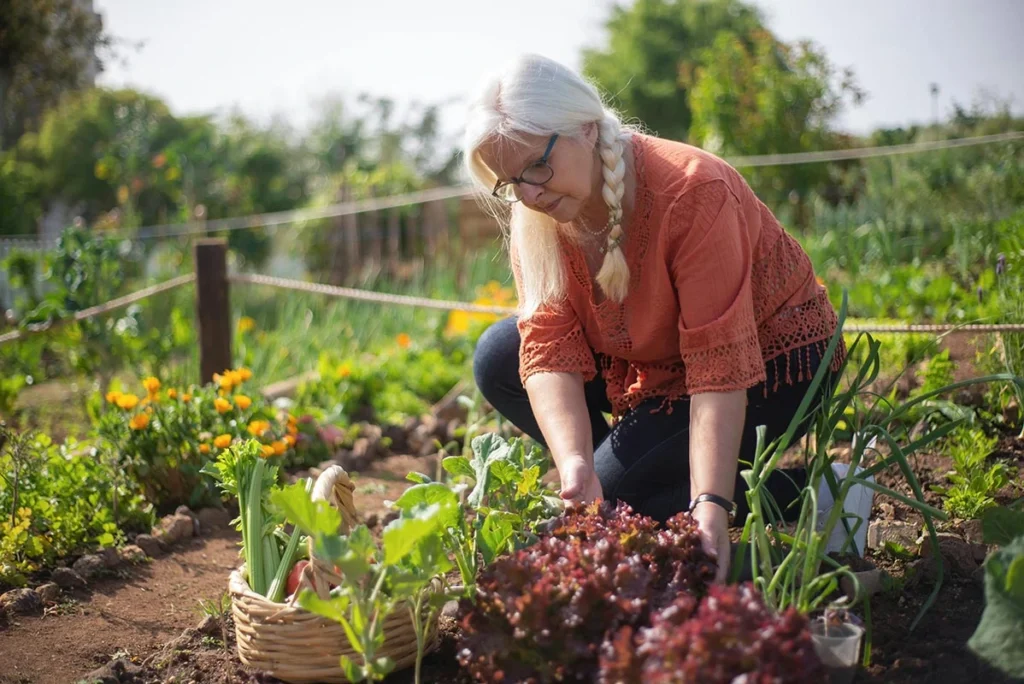
When kids are involved in gardening, they tend to be more attracted to healthy foods. Kids gain experience in responsibility along with knowledge about the world of nature.
Activities that may engage kids include:
• Sowing seeds of beans or peas.
• Irrigation of vegetables daily in the morning.
• Gathering fresh veggies.
• Plant labeling.
• Preparing compost from kitchen leftovers.
• Picking herbs for the family cooking.
Such activities will make healthy eating fun and bring the garden closer to the kitchen table.
Long-Term Health Benefits of Plant-Based Nutrition
Introducing plant-powered protein for kids at a young age helps develop good eating habits which will continue as he/she grows up. Plant foods provide essential nutrients which help develop healthily without relying on highly processed foods.
A proper diet which is well balanced in healthy kids nutrition, protein-rich vegetables, legumes, fruits, and whole grains could help promote:
• Healthful body weight.
• Good digestion.
• Favorable cardiovascular health.
• Strong muscles and bones.
• Coherent energy throughout the day.
• Proper brain development.
• Concentration in class.
• Good lifelong eating habits.
In addition to exercising and getting enough sleep, good nutrition provides a foundation for overall kids’ health.
Choosing the Best Plant Protein Foods
Not every protein source offers the same nutritional value. Parents should prioritize whole foods that provide multiple nutrients instead of focusing only on protein content.
| Plant Food | Protein | Additional Benefits |
| Lentils | Excellent | Iron, folate, fiber |
| Black Beans | Excellent | Potassium, antioxidants |
| Chickpeas | Excellent | Fiber, magnesium |
| Tofu | Excellent | Calcium, complete protein |
| Edamame | Excellent | Healthy fats, iron |
| Quinoa | Very Good | Complete protein, magnesium |
| Green Peas | Good | Vitamin C, fiber |
| Pumpkin Seeds | Very Good | Zinc, healthy fats |
| Almonds | Good | Vitamin E, healthy fats |
| Oats | Moderate | Fiber, long-lasting energy |
Supporting Active Kids with Balanced Nutrition
Children who engage in sporting activities or any kind of physical activity gain from the balanced meal consisting of carbohydrates, proteins, fats, and water. Rather than depending on unhealthy snacks, parents should ensure that the meals served to children are made from plant-based meals for kids.
Combining legumes with whole grain, incorporation of seeds in the breakfast, and serving vegetables from the garden makes sure that children get all types of nutrients.
Sustainability Starts at Home
Using plant-based proteins to feed children is beneficial not just for the health of the children but also for the environment. Most high protein plant need fewer resources compared to some of the animal sources of proteins.
Learning how to grow vegetables, save water, and recycle organic waste provides a very important lesson to children and also instills respect for fresh local produce.
Frequently Asked Questions
Is it possible for children to meet their protein needs through plant sources?
Absolutely! A balanced meal of beans, lentils, soy foods, whole grains, nuts, seeds, and vegetables will give sufficient protein intake in a healthy child.
Which plant-based protein is the best for kids?
There is no best food source since lentils, chickpeas, tofu, edamame, beans, quinoa, and peas are some of the most nutrient-dense foods since they contain protein plus other nutrients.
Are plant proteins safe for toddlers?
Absolutely! Provided that it is given to them in a form appropriate for their age group. This includes soft-cooked beans, mashed lentils, tofu, and nut or seed butter.
Which vegetables have the highest protein content?
The best vegetables high in protein include green peas, spinach, broccoli, kale, Brussel sprouts, and asparagus. Even though vegetables cannot be considered sufficient sources of protein, they provide other essential nutrients to a person’s diet.
Can I grow protein-rich food in my backyard garden?
Certainly. Green beans, peas, spinach, kale, chickpeas (depending on the climate), herbs, and soybeans make great plants for your backyard garden that would give you healthy meals for your family.
Do children require protein supplementation?
Healthy children don’t need any extra protein supplementation. All the necessary amount of protein can be received from a diversified diet including plant protein for children and other products.
Conclusion
Feeding plant-powered protein for kids’ sources will always be one of the best ways to ensure their growth and health. With such ingredients as legumes, whole grains, nuts, seeds, soy products, and protein-rich vegetables used to prepare tasty and healthy dishes, children will get more than just a source of protein but also lots of fiber, necessary vitamins and minerals which will benefit their development.
If you and your family love gardening, then planting your vegetables and beans will be an additional opportunity for you. Your own garden will give you fresh ingredients for cooking, involve children in food-growing process, and form healthy eating habits. If you want to improve the nutritional balance of your child’s diet or just add variety to it, plant-powered protein for kids will definitely be an effective option for you.