Home Gardening Tips: A Complete Beginner’s Guide to Growing a Healthy and Beautiful Garden at Home
Starting a home garden is super rewarding and relaxing, whether you’re a pro or a total novice. The right home gardening tips can turn any tiny spot – be it a balcony, rooftop, or patch of backyard – into a little oasis with tons of veggies, flowers, and herbs. Plus, gardening jazzes up your place and can give you fresh, organic food right from your own home.
Lately, more folks are digging into home gardening tips. It helps cut down on grocery bills, boosts mental health, and lets you enjoy nature in your very own backyard. No matter your skill level, there are always new techniques to learn to keep things growing strong.
In this article, we share easy to use home gardening tips that’ll guide you through starting and keeping a great garden no matter what time of year it is.
Choosing the Right Location for Your Garden
The first step to successful home gardening tips is choosing the perfect location. Plants need sunlight, air, and adequate space to thrive.
Most vegetable and flowering plants need at least 5 to 6 hours of sunlight per day. In case you are planning on growing your garden on a balcony or rooftop, then check the path of the sun and choose an area with constant sunlight.
Another trick for growing gardens in confined spaces is vertical gardening. This way, you can grow plants hanging from walls, in stacks or wall planters.
It is crucial to ensure proper drainage of water, which means avoiding low areas where the water may collect after rainfall or irrigation.
Understanding Soil Quality and Preparation
Good soil is the key element in any healthy garden. One of the essential home gardening tips is that you must always have healthy, nutrient-filled, and well-drained soil.
For preparing healthy soil for your garden, you must have:
• Garden soil
• Organic compost/manure
• Drainage (sand/coco peat)
Application of organic compost increases the fertility of soil, and plant growth gets faster and better. Homemade compost can be easily made using kitchen scraps like vegetable peelings, fruit peelings, and tea leaves.
The soil’s pH level is equally important. Most plants thrive in slightly acidic to neutral soil (pH 6–7). Soil pH level testing kits are available from garden stores.
Watering Techniques for Healthy Plants
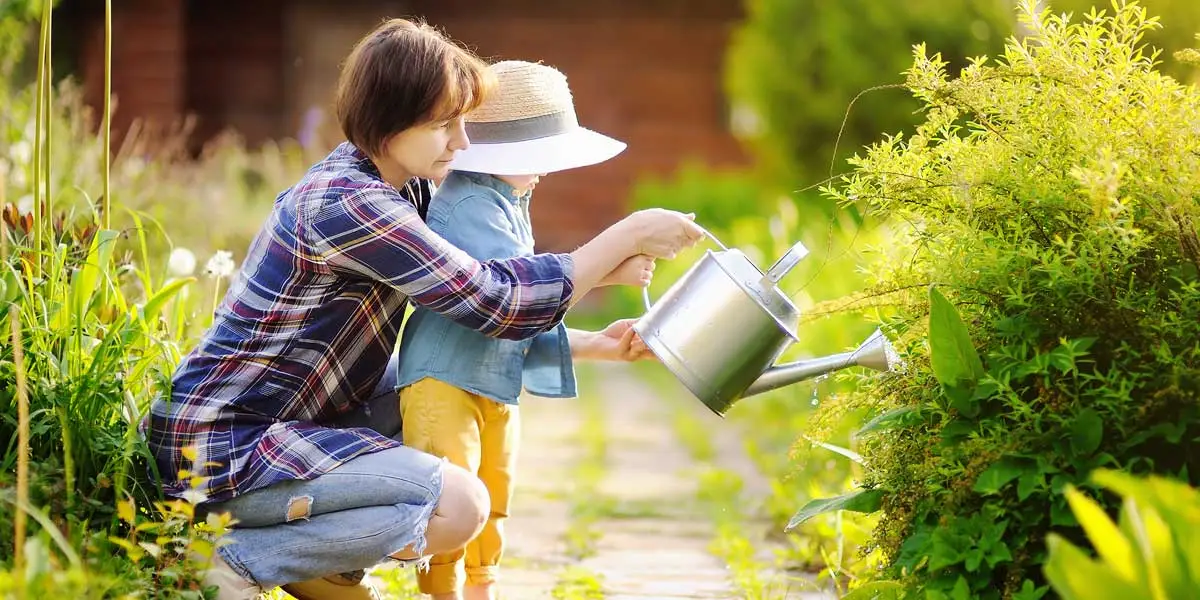
Watering also remains an important aspect of practical home gardening tips. In most cases, novice gardeners tend to over-water or under-water the plants, resulting in their poor growth or even death.
Some of the basic watering rules include the following:
• Water your plants in the morning or evening hours
• Do not water under direct sunlight
• Ensure you check for soil dryness before watering
• Secure a watering can with a fine spray
It should be noted that different plants may require different amounts of water. For instance, leafy plants will need more water than succulents.
The rule of thumb is to water your plants deeply but less often.
Choosing the Right Plants for Beginners
Choosing the right plants is one of the easiest home gardening tips to follow while beginning a garden at your home.
Easy plants to grow are:
• Mint
• Coriander
• Tomatoes
• Spinach
• Basil
• Marigolds
These are easy to grow, need little maintenance, and will prove ideal for novice gardeners. While herbs like mint and basil can be grown in indoor pots, tomatoes and spinach will do best outdoors.
It is important to start small.
Using Organic Fertilizers and Compost
The best way to ensure the success of your home gardening tips is to use organic fertilizer rather than any type of chemicals.
Organic fertilizers are very useful in improving the soil composition and allowing healthy plant growth. For example:
• Composting (breaking down kitchen waste)
• Buffalo dung
• Worm composting
• Egg shell powder for Calcium
These types of fertilizers slowly supply the required nutrition to plants.
It should be noted that over-fertilization is not good for your plants’ growth.
Pest Control and Plant Protection
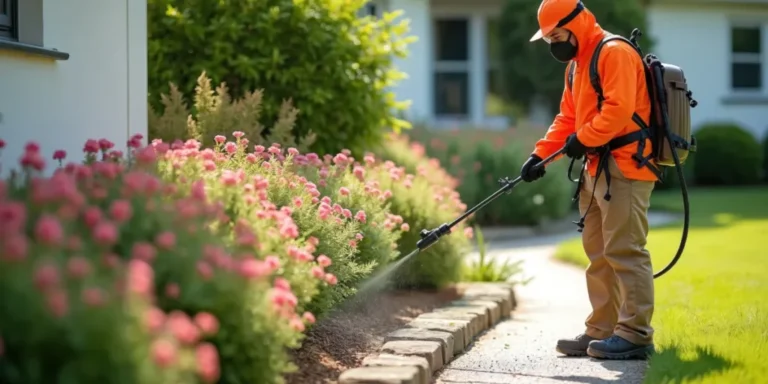
Pest problems are a common problem for gardeners, but careful tending of one’s garden will avoid serious pest problems. One of the most important home gardening tips would be using natural pest control measures.
Natural ways of combating pest problems include the following:
• Neem oil spray for insect problems
• Garlic and chili spray for pests
• Cleanliness of the plants and keeping them dry
• Immediate removal of affected leaves
Encouraging the growth of beneficial insects such as ladybugs can also keep pests away from the plants.
Chemical pesticides should be used sparingly because they are damaging to plants and soil quality.
Seasonal Care and Maintenance
Seasonal awareness plays a vital role in home gardening tips. Each plant thrives in specific climatic conditions.
• Summer – Water frequently and give shade if necessary
• Winter – Cut back on water supply and safeguard plants from frost
• Monsoon season – Drainage should be done to avoid rot
Pruning, weeding, and disease detection are among some essential things that keep your garden flourishing all year round.
Conclusion
Home gardening is not only a hobby but also a way of life which provides you with peace, freshness, and sustainability in your everyday life. With the help of these simple home gardening tips, any novice can have his/her own flourishing garden despite lack of knowledge and space.
Whether it is choosing a suitable location for planting the seedlings, keeping the soil in its best condition, providing plants with adequate water, and using organic fertilizers, all play crucial roles in their growth process. Patience and commitment are key factors in cultivating a successful garden.
Begin with a small garden and then move to a bigger one as time passes.
FAQs
Which are the best home gardening tips for the beginner?
Select the right plant, use proper soil, water in moderation, and give sufficient sunlight for their healthy growth.
How often do I need to water the plants in the home garden?
The requirement differs based on the plant type, but mostly twice or thrice a week will be sufficient.
Is it possible to grow plants at home in limited space?
Yes, one can consider growing plants using pots or other vertical gardening techniques.
Which soil is the best choice for home gardening?
Combination soil of garden soil, compost, coco peat, and sand is the best choice for home gardening.
Are fertilizers needed for home gardening?
Yes, fertilizers are required, but organic fertilizers are always better than chemical fertilizers.
Do you need more information about Landscape Timbers