Travel Palm Plant: Complete Care and Growing Guide
The travel palm plant is undoubtedly one of the most visually appealing tropical plants that you can bring into your yard or garden. With such striking fan-like leaves and towering height, the plant brings a tropical touch wherever it is planted. Despite popular misconception, the travel palm plant does not belong to the palm trees family but is classified as part of the bird-of-paradise family and goes by the scientific name of Ravenalamadagascariensis.
If you want to design a tropical garden, improve your backyard landscape, or simply enjoy exotic plants, knowing how to grow and care for a travel palm plant is necessary. This guide provides you with information about planting, watering, pruning, fertilizing, propagating, pest management, and landscaping ideas. You’ll find plenty of gardening tips that are often missing in other online guides about growing the plant.
What Is a Travel Palm Plant?
The travel palm plant is a huge ornamental tropical tree, which grows in Madagascar. In spite of the name of this plant, it does not belong to the family of palm trees but is a very close relative to the bird-of-paradise plant. The huge paddle-like leaves of this plant have an excellent arrangement in the form of a fan.
The travelers thought that they would be able to drink water collected in the bases of its leaf stalks, and this is the reason why it got the name “traveler’s palm.” However, the water collected there cannot be used for drinking.
Quick Plant Profile
| Feature | Details |
| Botanical Name | Ravenalamadagascariensis |
| Common Name | Travel palm plant, traveler’s palm tree |
| Plant Type | Tropical ornamental plant |
| Mature Height | 30–50 feet |
| Mature Spread | 15–20 feet |
| Sunlight | Full sun to partial shade |
| Soil Type | Rich, well-draining soil |
| Growth Rate | Moderate to fast |
| Hardiness | Warm tropical and subtropical climates |
Why Gardeners Love the Travel Palm Plant
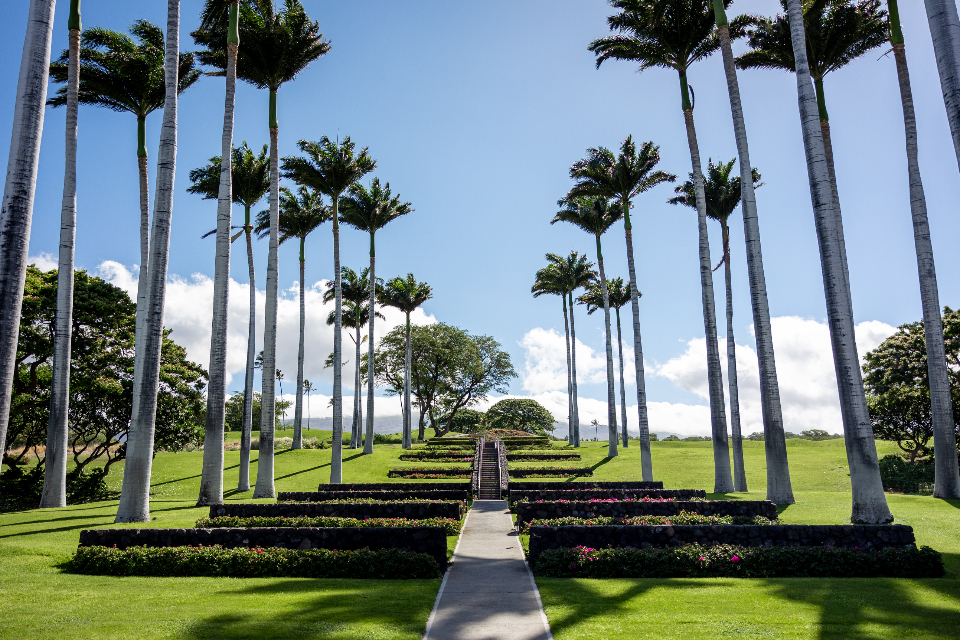
The travel palm plant is appreciated not only for its architectural structure and potential to be used as a central piece in any tropical scene but also because of its symmetrical structure of leaves which has a strong visual effect and can enhance pools, patios, garden entrance ways, and wide lawns.
Apart from its impressive design, the plant is quite easy to maintain, and with a little effort, you will manage to make your plant have a luxurious green foliage all-year-round.
Unique Characteristics of Ravenalamadagascariensis
Different from palms, Ravenalamadagascariensis bears foliage in one flat plane, creating a magnificent fan shape. This unique growth pattern makes the travel palm plant easy to recognize and popular among landscaping professionals.
In time, the plant develops a strong stem, while large leaves grow up to several feet long. In favorable circumstances, mature specimens also bear creamy-white flowers and blue fruits.
Best Climate for Growing a Travel Palm Plant
The travel palm plant grows very well in hot and moist climates that lack frost. This makes it a preferred plant in tropical and subtropical climates.
However, in case you happen to live in cooler areas, you can grow the plant in a pot when it is young. You can move the plant in the pot to a sheltered place when temperatures start dropping.
Ideal Growing Conditions
| Requirement | Recommendation |
| Sunlight | 6–8 hours of bright sunlight daily |
| Temperature | 65°F–95°F (18°C–35°C) |
| Humidity | Moderate to high |
| Frost Tolerance | Very low |
| Wind Exposure | Protected from strong winds |
Providing these conditions helps the travel palm plant produce vigorous foliage and maintain healthy growth throughout the year.
Choosing the Perfect Planting Location
Picking the appropriate place is crucial when planting the travel palm plant. This is because the travel palm tree can become extremely big, thus the need for enough room.
The plant should be planted in an open place which will offer enough room for growth without causing any problems like blocking power lines, fences, or other trees. The big leaves of the plant need enough air to prevent their tearing in case of a storm.
Outdoor Placement Tips
The most ideal sites include:
• Corners of sunny gardens
• Tropical landscape edges
• Poolside gardens
• Spacious front yards
• Landscapes for resorts
• Major features of large backyards
Do not plant these near pathways as their mature leaves can spread widely.
Best Soil for a Travel Palm Plant
Vital soil forms the bedrock of growth. Travel palm thrives in soil that is highly fertile, drains well, and has high levels of organic content.
Clay soils tend to hold too much water, making the soil unhealthy for roots. Adding organic material to the soil before planting can promote root health.
Ideal Soil Mix
In order to have healthy growth, it is necessary to mix:
• High quality garden soil
• Compost
• Good aged manure
• Coarse sand/perlite
• Mulch at the base
This combination retains moisture while avoiding waterlogging.
How to Plant a Travel Palm Plant
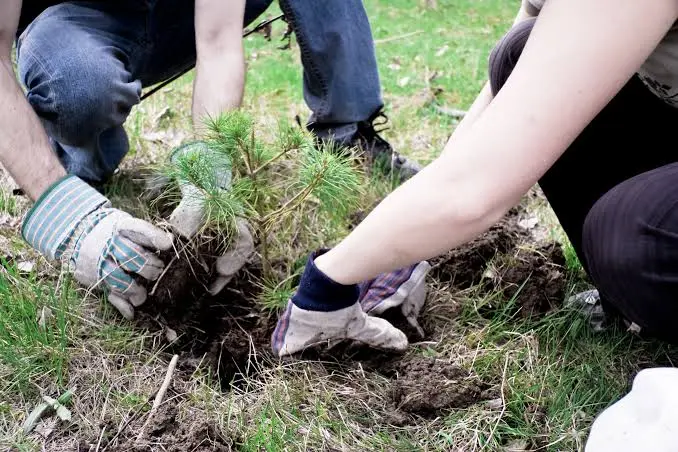
Planting correctly will aid in the rapid establishment of the travel palm and lessen any shock from the transplant.
Step 1: Create the Planting Hole
Create a planting hole that is twice as big as the root ball of the plant, but somewhat deeper than the container.
Step 2: Amend the Soil
Mix compost well into the excavated soil before planting.
Step 3: Set the Plant
Set the plant in such a way that the top of the root ball is at ground level.
Step 4: Fill and Water
Fill the hole with soil, compact lightly, and water heavily to remove any air pockets around the roots.
Using mulch around the base will help conserve moisture and control soil temperature.
Travel Palm Plant CareAfter Planting
Proper travel palm plant care in the first year is vital in establishing roots. Newly planted plants need continuous watering until they get established.
It is important not to let the soil become dry in the first year. However, one should not over-water the soil either, since wet soil can harm the root system.
Watering Requirements
Appropriate travel palm watering is among the factors that ensure healthy development. Young plants typically require more watering compared to the mature plants.
Always water adequately when the top two inches of soil begins to feel dry. In case of very high temperatures, you will need to water often, whereas during rain seasons, watering will be reduced.
After the travel palm plant become well established, they are capable of tolerating drought for some period.
Travel Palm Sunlight Requirements
Knowledge of the travel palm sunlight requirements is crucial for achieving vigorous growth and healthy leaves.
Travel palm thrives in full sun conditions but can also grow under partial shade in areas with extremely hot weather. Those plants that are exposed to at least six hours of direct sunlight daily exhibit more vigorous stem growth, large leaves, and have a symmetrical fan structure.
Lack of sunlight leads to slow growth and small leaves.
Fertilizing for Healthy Growth
While a naturally robust plant, the travel palm requires feeding on a regular basis during the growing period.
Use a slow-release fertilizer in the spring and midsummer months for sustained growth of leaves. Organic compost and manure help with soil enrichment and promote the activity of beneficial microorganisms. Too much nitrogen is detrimental since it results in quick foliage growth at the cost of plant health.
Growth Timeline
| Plant Age | Expected Development |
| 1 Year | Root establishment and steady leaf growth |
| 2–3 Years | Larger fan formation begins |
| 4–6 Years | Strong trunk development |
| 7–10 Years | Mature tropical appearance |
| 10+ Years | Large landscape specimen with impressive foliage |
Travel Palm Propagation: How to Grow New Plants
Among some of the most satisfying things about having a travel palm plant is the ability to propagate other plants. It takes quite some time to grow, and only after it matures, does it start producing offshoots or suckers from around its base, making propagation easy as compared to seeding.
Some of the most common ways to propagate travel palm plants are through offsets and seeds. The former method is faster, while the latter is more time-consuming.

Propagating by Offsets
Offset is a young plant which develops naturally around the base of an adult travel palm plant.
Step 1: Selection of a Healthy Offset
It is advisable to select a sucker which has grown several leaves with its own root system.
Step 2: Removal Process
The process of removing the sucker is done using a sharp knife and ensuring the root system remains intact.
Step 3: Replanting
The removed offset is planted in a good mixture of soil and watered sufficiently. The plant is placed in partially shaded area for a few weeks.
Growing from Seeds
The process of growing Ravenalamadagascariensis from seeds is somewhat more time-consuming but very rewarding.
Fresher seeds will germinate better as compared to the older ones. The seeds should be soaked in warm water for about 24-48 hours and then planted in a light and well-draining mix of seeds. The soil should always remain slightly moist and warm (preferably around 75-85°F (24-29°C).
Travel Palm Pruning Guide
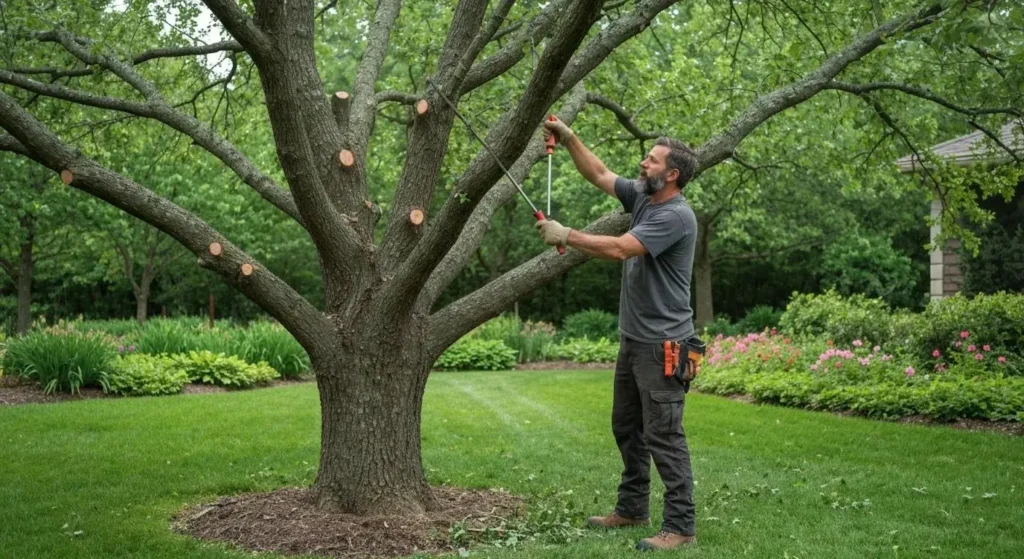
Travel palm pruning that is done properly will keep the plant healthy, but won’t hinder its normal fan-like appearance.
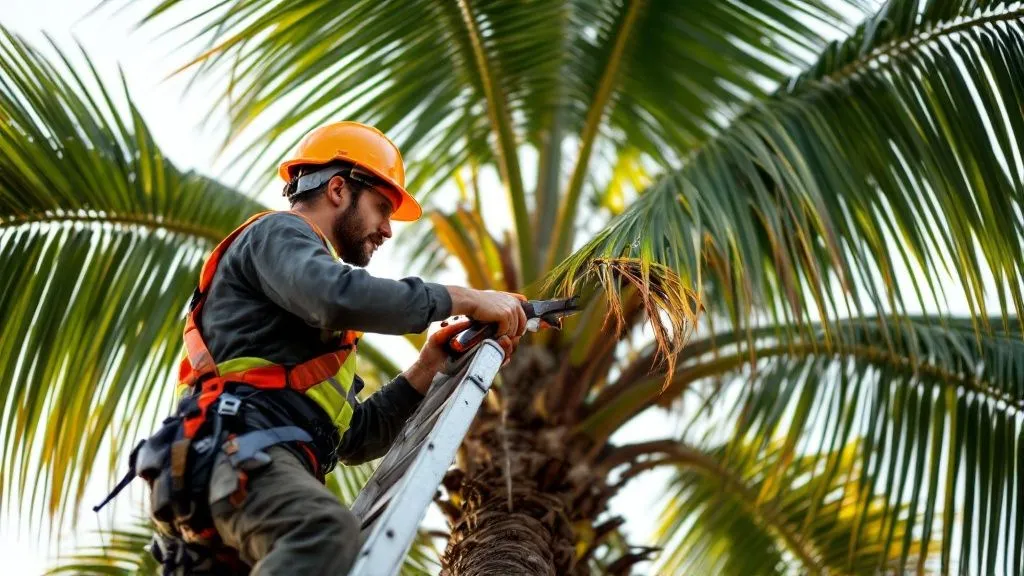
Unlike other ornamental trees, the travel palm plant needs only some light pruning. Dead, damaged, yellowing or diseased leaves should be cut off. It helps to enhance air circulation and to prevent pests and diseases from appearing.
It is important to use sterilized tools for pruning.
When Should You Prune?
Travel palm pruning should be done during the period when the plant is actively growing, mostly in the spring or early summer months.
One should not cut heavily because the green leaves are very vital for the photosynthesis process. Cutting down many leaves at once can lead to decreased growth.
Growing a Travel Palm Plant in Containers
Even if full-grown plants grow out of the pots they’re planted in, young plants thrive when planted in bigger pots for a few years.
The technique of container gardening comes in handy for people who garden in colder climates, where the plant can be moved inside during harsh conditions.
Choosing the Right Container
An ideal container must be big enough to allow root growth but also allow water to run off easily.
Choose containers that:
• Are at least 20-24 inches wide.
• Are deep enough to accommodate the growing root system.
• Have several drainage holes.
• Are made of strong material such as ceramics, fiberglass, or robust plastic.
Transplant the plant after every two or three years, or when you see that the roots start forming circles in the pot.
Can a Travel Palm Plant Grow Indoors?
A young plant can get used to living indoors as long as it gets enough light and humidity.
It is recommended to place the pot in a sunny location near a south or west facing window that gets several hours of sunlight every day. Rotating the pot will promote even growth.
Since indoor air is often dry, a humidifier or pebble tray can increase humidity.
Common Problems and Their Solutions
Even with good care, all gardeners will face problems when cultivating a travel palm plant at some point.
Brown Leaf Edges
The browning of leaf tips is normally a result of insufficient humidity, improper watering, and salts due to fertilization.
Solution: Ensure adequate moisture and humidity and flush the soil with clean water on occasion.
Yellow Leaves
Leaves naturally yellow before falling off, but overall yellowing could mean the plant is being over-watered or there is improper drainage.
Solution: Make sure to let the soil dry slightly between watering cycles.
Slow Growth
The slow-growing travel palm plant needs more sun or nutrients.
Solution: Put the plant in an area with plenty of sunshine and add fertilizers when it is growing.
Torn Leaves
Large tropical leaves naturally split or tear during strong winds.
Solution: Plant in a protected location and avoid unnecessary pruning since minor tears rarely affect plant health.
Common Pests
Healthy plants tend to be resistant, but sometimes there are a few pests.
Spider Mites
Spider mites prefer dry environments and suck the sap of the leaves.
Control: Maintain humidity and use insecticidal soap or neem oil on the affected leaves.
Scale Insects
These insects are fixed to the stems and leaves as they feed on plant juices.
Control: Rub affected parts using horticultural oil or remove pests manually.
Mealybugs
Mealybugs form cotton-like spots around the stems and bases of the leaves.
Control: Use cotton balls with rubbing alcohol to eliminate mealybugs.
Inspections are helpful for avoiding pest outbreaks.
Preventing Diseases
Travel Palm Plant is resistant to diseases when grown in favorable growing conditions.
In order to minimize disease susceptibility:
• Well-draining soil should be used.
• Waterlogging should be avoided.
• Basal watering technique should be adopted rather than watering through leaves.
• Dead leaves should be removed as soon as possible.
• Proper air circulation for matured plants should be ensured.
Landscaping Ideas with a Travel Palm Plant
Dramatic structure of the travel palm plant makes it an asset that will be beneficial to use as the focal point in landscape design.
Travel palm is great together with other tropical garden plants that make outdoor space look like botanic garden or resort.
Suitable companion plants are the following:
• Bird of Paradise
• Hibiscus
• Elephant Ear
• Crotons
• Heliconia
• Ginger Lily
• Philodendron
• Bromeliads
Combining plants of various sizes creates beautiful tropical landscape.
Common Mistakes to Avoid
Many beginners make simple mistakes that can slow the growth of their travel palm plant.
| Mistake | Better Practice |
| Planting in heavy clay soil | Use fertile, well-draining soil |
| Overwatering | Water deeply but allow drainage |
| Insufficient sunlight | Provide 6–8 hours of sunlight daily |
| Planting too close to buildings | Leave adequate space for mature growth |
| Over-pruning healthy leaves | Remove only damaged or dead foliage |
| Ignoring fertilization | Feed during the active growing season |
Avoiding these mistakes helps maintain vigorous growth and an attractive appearance.
Expert Maintenance Tips
In general, landscaping professionals advise monitoring the travel palm plant rather than adhering to any rigid maintenance program.
You can check the soil moisture before watering the plant, examine the leaves for signs of infestation every month, change the mulch every year, and feed the plant during spring and summer. These basic rules will help you grow a healthy plant without many maintenance issues.
Seasonal Care Calendar for the Travel Palm Plant
Adherence to a seasonal maintenance schedule is the key to maintaining the health and vitality of your travel palm plant. Even though this tropical plant is active in warm weather conditions, changing the care schedule according to seasons will stimulate its development and avoid stresses..
| Season | Care Tasks |
| Spring | Apply a balanced fertilizer, refresh mulch, inspect for pests, and prune damaged leaves. |
| Summer | Water regularly, monitor soil moisture, fertilize if needed, and watch for insect activity. |
| Autumn | Reduce fertilizer applications, remove fallen debris, and continue moderate watering. |
| Winter | Protect young plants from cold temperatures, reduce watering, and avoid heavy pruning. |
If you grow a travel palm plant in a container, move it to a sheltered area whenever temperatures approach freezing.
Winter Protection Tips
While adult plants can withstand short-term cold spells, travel palm plants are susceptible to frost damage. Damage from frost could be inflicted upon the leaves, stems, and new shoots of the plants if temperatures are too cold.
For protecting your plant:
• Shield young plants with frost cloth at night.
• Insulate the roots using mulch.
• During the cold season, limit watering.
• Move container plants indoors or inside greenhouses when frost occurs.
How Fast Does the Travel Palm Plant Grow?
The growth rate of the travel palm tree is moderate to fast, depending on favorable conditions. The first few years involve directing all energy towards developing a root system before top growth starts.
Factors that influence growth include:
• Light intensity
• Soil fertility
• Humidity
• Weather
• Feeding plan
• The general condition of the plant
With proper travel palm tree care, healthy plants will be landscape beauties in a few years.
Is the Travel Palm Plant Safe Around Pets?
The travel palm plant is usually used as an ornamental landscaping plant instead of as a houseplant. Although it is not known for being extremely toxic, it is best to prevent any pets or children from eating the foliage or seeds of the plant.
Since this is a common occurrence in many ornamental plants, consuming this plant can sometimes cause indigestion problems to pets. If your pets show signs of ingesting any part of this plant, be sure to visit a veterinarian.
Best Uses in Landscape Design
As a result of its fan shape, which stands out dramatically in the landscape, the travel palm plant makes an excellent accent for a tropical-themed landscape design.
Some popular landscape applications include:
• Garden entrance areas in resort style
• Near the swimming pool
• Tropical backyard designs
• Courtyard designs
• Plants collections in botanical style
• Luxury landscape projects
The combination of the travel palm plant along with large tropical plants, flower species, and ground cover provides a rich and attractive environment outdoors.
Pros and Cons of Growing a Travel Palm Plant
| Pros | Cons |
| Creates a dramatic tropical appearance | Requires significant space at maturity |
| Attractive fan-shaped foliage | Sensitive to frost |
| Relatively low maintenance after establishment | Not suitable for small indoor spaces long-term |
| Excellent focal point for landscaping | Large leaves may tear in strong winds |
| Can be propagated from offsets | Slow establishment during the first few years |
| Long-lived ornamental specimen | Needs regular watering while young |
Understanding both the advantages and limitations helps gardeners choose the right location and care routine for long-term success.
Frequently Asked Questions
Is the travel palm plant a palm tree?
No. Even though it is called the travel palm plant, it is not actually a palm tree. It comes from the bird-of-paradise plant family and has the scientific name of Ravenalamadagascariensis.
How much light does the travel palm plant require?
This plant requires 6-8 hours of sunlight per day to thrive. This light allows for the development of stronger stems and leaves.
How often should I water my travel palm plant?
It requires frequent watering when young because it needs to develop healthy roots. The older the plant, the more drought-tolerant it becomes.
Can the travel palm plant thrive in pots?
Yes. It thrives in large pots which have great drainage facilities. However, as it matures, it will need more room and tends to thrive better when grown on the ground.
How do I propagate my travel palm plant?
You can do this easily by removing healthy offsets found near the base of the matured plants. Propagation using seeds is also an option but takes time.
Why are my leaves browning?
It is normally due to poor humidity, underwatering, excess fertilizers or old age. By adjusting the way you water and ensuring adequate humidity levels, the situation should improve.
Do I need to prune regularly?
No. You only need to prune off the dead, diseased or unhealthy leaves. Pruning too much will limit the energy production capacity through photosynthesis.
Which fertilizer should I use?
Use a balanced fertilizer that will be added during spring and summer seasons.
Conclusion
It has to be said that the travel palm plant ranks as one of the most beautiful ornamental plants to be found for gardens of the tropics and subtropics. The majestic beauty of the fan-shaped leaves of the plant is highly appreciated by all homeowners, landscape architects, and gardeners. Though space is necessary to accommodate the plant and give it room to grow, the efforts put into planting and caring for the travel palm are handsomely rewarded.
Effective travel palm plant care involves selecting an area that will receive plenty of sunlight, preparing rich and well-drained soil, watering it regularly during its adaptation to the planting site, and regular feeding throughout the growing season. The inspection of the plant for pests, travel palm pruning, and other seasonal measures contribute to its good condition.
Whatever garden setting you are designing, whether you are trying to create a tropical haven, improve your house’s curb appeal, or diversify your collection of tropical garden plants, the travel palm plant will prove to be extremely ornamental. With some patience and proper caring techniques, Ravenalamadagascariensis will become your amazing centerpiece.