How to Choose a Reliable Natural Stone Furniture Manufacturer for B2B Projects
For interior designers, architects, furniture retailers, hospitality groups, and project buyers, sourcing natural stone furniture is very different from purchasing a single piece for a residential space. B2B projects require consistent quality, reliable production, material flexibility, accurate specifications, secure packaging, and the ability to handle customized designs.
Choosing the right natural stone furniture manufacturer can therefore have a direct impact on project timelines, product quality, installation, and overall procurement efficiency.
Natural stone furniture has become increasingly popular in luxury residential, hospitality, retail, and commercial interiors because it combines the character of geological materials with functional furniture design. Marble dining tables, coffee tables, side tables, consoles, vanities, cabinets, countertops, bathtubs, and decorative stone pieces can all be customized according to a project’s requirements.
For B2B buyers, the key question is not simply where to find attractive stone furniture. The more important question is how to identify a manufacturing partner capable of consistently turning design concepts into finished products.
What Should B2B Buyers Look for in a Stone Furniture Manufacturer?
A reliable supplier should be evaluated across the entire production process rather than based only on product photography.
Material sourcing is one of the first factors to consider. Natural stone varies significantly in color, veining, density, texture, and availability. A manufacturer with access to a broad range of marble and other natural stones can give designers greater flexibility when developing a furniture collection or specifying materials for a project.
Customization capability is equally important. Commercial projects rarely fit perfectly into standard furniture dimensions. Designers may require a specific tabletop size, unusual base structure, particular edge treatment, special surface finish, or a completely custom piece based on an architectural concept.
A manufacturer that can manage these requirements directly can reduce the need to coordinate between multiple suppliers.
Why Material Selection Matters in Commercial Projects
Natural stone is not a uniform manufactured material. Even within the same stone variety, different slabs can display significant differences in background color and veining.
For a residential buyer, this variation may simply be part of the charm of natural marble. For a large commercial project, however, material consistency can become a much more important consideration.
A hotel project with multiple tables, for example, may require the marble to maintain a coherent visual direction across different pieces. A furniture retailer may need several products to share a similar material appearance. An interior designer may also need to coordinate stone furniture with countertops, wall panels, vanities, or other architectural surfaces.
This is why professional stone selection and slab management are important parts of B2B natural stone furniture production.
Customization Is More Than Changing the Size
When buyers hear “custom stone furniture,” they often think only about dimensions. In reality, customization can involve almost every part of a product.
The marble or natural stone can be selected according to color, veining, background tone, and visual movement. The shape of a tabletop can be modified to suit the project. Thickness, edge profile, surface finish, base structure, and material combinations can also be adjusted.
For example, a designer may start with a basic coffee table concept but change the stone, diameter, height, edge profile, and base material to create a completely different final product.
This flexibility is especially valuable for hospitality and high-end residential projects where furniture needs to support a broader design concept rather than simply fill a functional requirement.
Natural Stone Furniture for Hospitality Projects
Hotels, resorts, restaurants, private clubs, and other hospitality environments frequently use natural stone as part of their material palette.
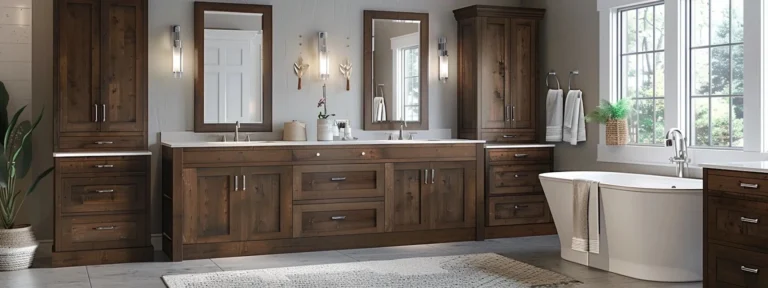
Stone coffee tables can create focal points in hotel lounges. Marble consoles can strengthen the visual identity of reception areas. Natural stone countertops and vanities can contribute to a consistent material language throughout guest rooms and public spaces.
Hospitality projects also tend to involve multiple pieces or multiple locations, making production consistency particularly important.
A suitable manufacturing partner should understand that hospitality furniture must balance appearance with practical considerations such as maintenance, transportation, installation, and repeat production.
Natural Stone Furniture for Interior Designers and Architects
Interior designers and architects often approach stone furniture from a different perspective than traditional furniture buyers.
For designers, the material itself may be an important part of the concept. The natural veining of a particular marble may determine the orientation of a tabletop, while the shape of the stone may influence the structure of the furniture.
This is why communication between the designer and manufacturer matters.
A manufacturer should be able to understand drawings, dimensions, material references, visual concepts, and project specifications. The ability to translate design intent into production requirements can make a significant difference to the final result.
For custom projects, technical communication before production is often just as important as craftsmanship during production.
Why a One-Stop Stone Solution Can Benefit B2B Buyers
Working with multiple suppliers for different stone products can create additional coordination work.
A project might require dining tables, coffee tables, side tables, vanities, cabinets, countertops, reception furniture, and decorative stone products. If each category is sourced from a different manufacturer, the buyer may need to manage multiple production schedules, quality standards, packaging systems, and shipping arrangements.
A one-stop natural stone supplier can simplify this process by allowing multiple product categories to be developed through the same manufacturing relationship.
InhereStone positions itself around this one-stop natural stone customization model, covering furniture, vanities, cabinets, countertops, and crafts while providing customized solutions according to project requirements.
For B2B buyers, this type of supplier structure can be particularly useful when a project requires multiple stone products with a coordinated design language.
What Stone Products Can Be Customized for B2B Projects?
Natural stone furniture is no longer limited to traditional marble dining tables.
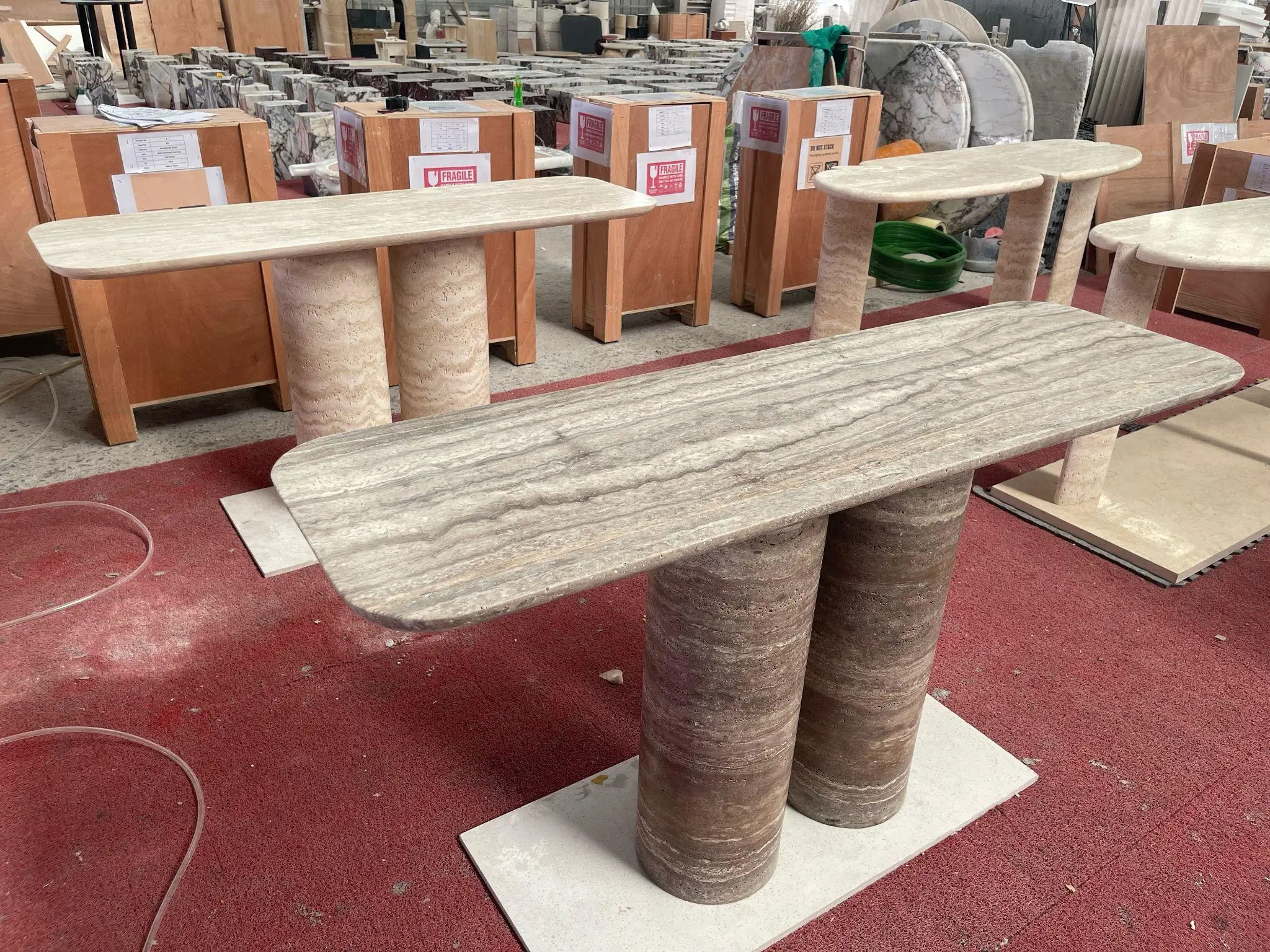
Modern stone manufacturers can produce a wide range of products, including coffee tables, side tables, console tables, dining tables, countertops, reception furniture, cabinets, bathroom vanities, bathtubs, fireplaces, hardware, and decorative stone pieces.
This broader product range creates opportunities for designers to use the same or complementary stone across different areas of a project.
For example, a hotel may use one marble family for reception furniture, coffee tables, bathroom vanities, and selected architectural details. This creates stronger visual continuity throughout the property.
How Important Is Factory Experience?
Factory experience matters because natural stone requires specialized processing.
Cutting, shaping, edge treatment, polishing, honing, assembly, inspection, and packaging all require appropriate equipment and skilled workers.
The complexity increases when a product combines stone with metal, wood, hardware, or other materials.
A manufacturer with established production experience is generally better positioned to identify potential problems before they affect the final product.
For B2B buyers, factory capability should therefore be considered alongside product design and material selection.
Quality Control for Natural Stone Furniture
Quality control for natural stone furniture involves more than checking whether the final product looks attractive.
Dimensions need to match approved specifications. Edges should be processed consistently. Surface finishes should correspond with the agreed requirements. Bases and structural components should be properly assembled.
Natural stone itself also needs to be inspected for characteristics that may affect the intended application.
For projects involving multiple units, consistency becomes even more important. Buyers should clarify how the manufacturer handles material selection, production inspection, and final quality control before placing a larger order.
Packaging and International Shipping
Stone furniture is heavier and more fragile during transportation than many conventional furniture products.
A high-quality product can still arrive damaged if packaging is not designed for its weight, shape, and material characteristics.
International B2B buyers should therefore ask about export packaging, corner protection, internal support, moisture protection where appropriate, and the manufacturer’s experience with international shipments.
Shipping should be considered during the design stage rather than treated as an afterthought.
The packaging requirements for a large marble dining table are very different from those for a small decorative stone accessory, so product-specific packing methods are important.
Why Communication Matters in Custom Stone Projects
Many problems in custom furniture projects do not originate during manufacturing. They begin with unclear specifications.
Before production starts, buyers should ensure that dimensions, materials, finishes, colors, drawings, quantities, packaging requirements, and other important details are clearly confirmed.
For international projects, communication should also account for differences in measurement systems, terminology, and technical expectations.
A manufacturer that communicates clearly throughout sampling, production, inspection, and shipping can make the procurement process significantly easier for overseas buyers.
How to Evaluate a Supplier Before Placing a Large Order
Before committing to a large B2B order, buyers can evaluate a manufacturer through samples, previous project experience, material options, production capabilities, and communication quality.
The goal is not simply to find the lowest price. A lower initial quotation may become more expensive if it leads to inconsistent quality, delays, damaged shipments, or repeated production.
A better approach is to evaluate the complete supply chain.
Material quality, customization capability, craftsmanship, production capacity, quality control, packaging, communication, and after-sales support should all be considered when comparing potential suppliers.
Why Natural Stone Works Well for Luxury Furniture
Luxury furniture increasingly emphasizes material authenticity and individuality.
Natural marble and other stones provide characteristics that are difficult to reproduce with completely uniform materials. Veining, mineral movement, color variation, and surface depth can give a piece of furniture a distinctive visual identity.
This makes natural stone particularly suitable for statement furniture in luxury residential and hospitality interiors.
A coffee table with dramatic veining can become a focal point in a lounge. A sculptural marble console can define an entrance. A natural stone vanity can transform a bathroom into a more architectural space.
For designers, the stone becomes part of the design rather than simply a surface applied to furniture.
Natural Stone Furniture and Sustainable Design Considerations
Natural stone furniture can also fit into design approaches that emphasize durable and long-lasting materials.
The environmental impact of any stone product depends on factors such as quarrying, processing, transportation, manufacturing efficiency, and product lifespan. For this reason, sustainability should be evaluated across the entire supply chain rather than based on material type alone.
For B2B buyers, working with manufacturers that can optimize material usage and production planning can help reduce unnecessary waste.
Designing furniture for long-term use can also reduce the need for frequent replacement, particularly in high-quality residential and hospitality environments.
Why InhereStone Can Be Relevant to B2B Stone Furniture Projects
For buyers looking for a natural stone manufacturing partner, InhereStone presents itself as a B2B-oriented supplier specializing in customized stone furniture and broader natural stone solutions.
The company states that it offers more than 100 marble types and works with interior and product design studios, while its product range includes dining tables, coffee tables, side tables, console tables, countertops, reception furniture, cabinets, vanities, bathtubs, fireplaces, pulls and knobs, and decorative crafts.
Its website specifically positions the business around premium marble furniture for B2B projects and identifies interior designers, architects, and wholesalers as key customer groups.
For buyers working on projects that require multiple categories of natural stone products, this broader capability can be an important factor when evaluating potential suppliers.
What Questions Should B2B Buyers Ask a Stone Manufacturer?
Before starting a project, buyers should understand the manufacturer’s available stone materials, customization capabilities, production process, quality control standards, packaging methods, and international shipping experience.
It is also useful to clarify whether the manufacturer can support sampling, custom dimensions, repeated production, and multiple product categories.
For larger projects, buyers should discuss production schedules and inspection procedures early in the process. Clear expectations at the beginning can reduce potential problems later.
The Future of Natural Stone Furniture for B2B Interiors
The demand for natural materials in premium interiors continues to create opportunities for stone furniture manufacturers.
Designers are increasingly treating furniture as part of the architecture rather than as isolated objects. This approach creates opportunities for integrated stone solutions across furniture, bathrooms, kitchens, reception areas, and decorative spaces.
As customization becomes more important, B2B buyers will increasingly look for manufacturers that can combine material expertise, production capabilities, customization, and international project support.
The strongest suppliers will not simply provide individual products. They will function as manufacturing partners capable of helping designers and businesses turn concepts into finished natural stone products.
Final Thoughts
Choosing a natural stone furniture manufacturer for a B2B project requires looking beyond product appearance and price.
Material selection, customization capabilities, production experience, quality control, communication, packaging, and international shipping all contribute to the success of a project.
For interior designers and architects, the right manufacturing partner can make it easier to translate creative concepts into precise stone furniture. For furniture retailers and wholesalers, reliable production and consistent quality can support long-term product development. For hospitality buyers, coordinated production across multiple stone categories can simplify procurement and maintain a consistent design language.
Natural stone furniture is ultimately a combination of material, craftsmanship, engineering, and design. When these elements are managed by an experienced manufacturing partner, marble and other natural stones can become highly distinctive furniture solutions for modern B2B interiors. For companies exploring custom natural stone furniture, InhereStone provides a one-stop approach covering furniture and other stone applications, with customization services aimed at professional project and business requirements.