Trade Counter or Online: Where Plumbers Actually Buy Their Parts
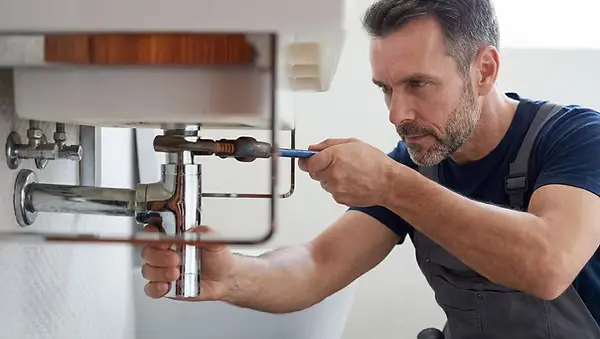
Every homeowner who has had a plumber in has watched the same ritual. The tap is off, the pipe is open, and the plumber is on the phone or in the van, going to get a part. Twenty minutes later they are back with a fitting that costs four pounds and the job carries on. Where that twenty minutes was spent says a lot about how the trade really works, and it is worth understanding before you decide to buy your own bathroom.
The online price is not the whole price
Search for almost any plumbing part and the cheapest result is online. A thermostatic shower valve, a basin mixer, a radiator valve: the big web retailers will usually undercut a local merchant by a few pounds, and sometimes by more.
The trade mostly does not care. A plumber charging by the day loses more in an hour of waiting for a delivery than they would ever save on the part. If the fitting arrives wrong, or the box turns out to contain the previous customer’s return, the job stalls for a day and the plumber is paying for it. The online price only matters when time does not, and on a live job time always matters.
This is why trade counters survive. They are selling availability, not products.
What a counter gives you
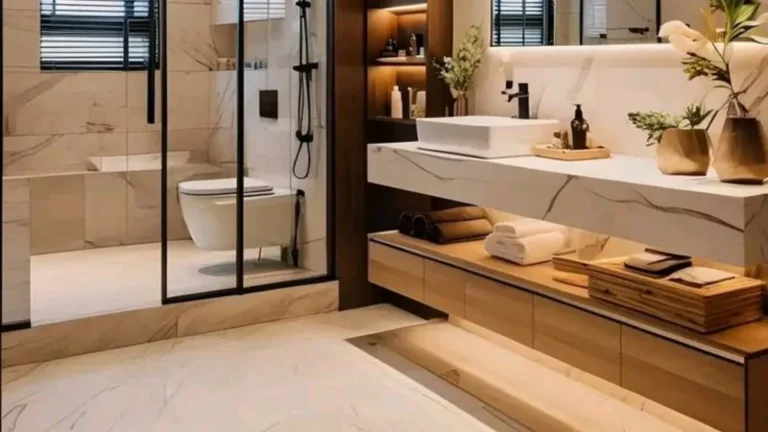
The first thing is stock that can be held and checked. A plumber buying a waste kit can see whether the trap will clear the floor joist before they leave the shop. A homeowner buying a bathroom suite can see the toilet pan in the showroom and work out whether the outlet is in the right place for the soil pipe, which is the single most common reason bathroom installations go wrong on day one.
The second is advice from someone who sells these things all day. A good counter will tell you that the shower you have chosen needs a higher flow rate than a combi boiler will give it, or that the vanity unit you like will not fit around the stopcock. That conversation costs nothing and saves a return visit.
The third is returns that do not involve a courier. Over-ordered copper and fittings go back across the counter. An online return means a label, a box and a wait.
The fourth, and the one that matters most mid-job, is same-day collection. There are no slots and no vans. If it is on the shelf, it is in your hand.
There is a fifth, less obvious one. Suites and furniture ordered through a counter arrive on the merchant’s own transport, checked before they leave the yard. Ceramics sent by parcel courier crack at a rate no other trade would tolerate, and the first anyone knows about it is when the installer unwraps the pan on the morning of the fit.
What the trade knows about buying a bathroom
When plumbers fit their own bathrooms, they buy differently from the way the internet tells homeowners to buy. They choose the sanitaryware from a brand whose spares will still exist in ten years, because a cistern from an unbranded online kit cannot be repaired when the flush valve fails. They check the guarantee is backed by a manufacturer with a UK address. They make sure the brassware and the valve are from compatible ranges rather than mixing a cheap valve with an expensive handset. And they buy from somewhere that will take the pan back if it arrives cracked, which is not a hypothetical problem with ceramics delivered by parcel.
Anyone in the Romford area who wants to buy the way the trade buys can walk into a shop that sells plumbing and heating supplies in Romford and have those conversations in person, rather than guessing from a product listing.
When online wins
It would be dishonest to pretend the counter always wins. For a specific branded item that is not needed today, where the model number is certain and the price difference is large, online is fine. Replacement cartridges, specialist tools, a particular radiator in a particular colour: these are planned purchases, not live ones, and the delivery delay costs nothing.
The rule the trade follows is simple. If the job stops without it, buy it where you can hold it. If the job can wait, shop around.
A note on the “trade only” sign
Many merchants serve the public now, even where the branding suggests otherwise. Walk in. The worst outcome is being told no. The more likely one is a better price than expected, because counters price to compete with the web, and a conversation that stops you buying the wrong thing. For a bathroom, that conversation is worth more than any discount code.