Why Metal Building Kits Are the Smartest Investment for Your Next Construction Project
The construction industry has shifted dramatically over the past decade. Rising material costs, unpredictable labor markets, and tighter project timelines have pushed property owners and developers toward solutions that offer more control over budget and schedule. Metal building kits have emerged as one of the most practical answers to all three challenges.
What Makes Metal Building Kits Different
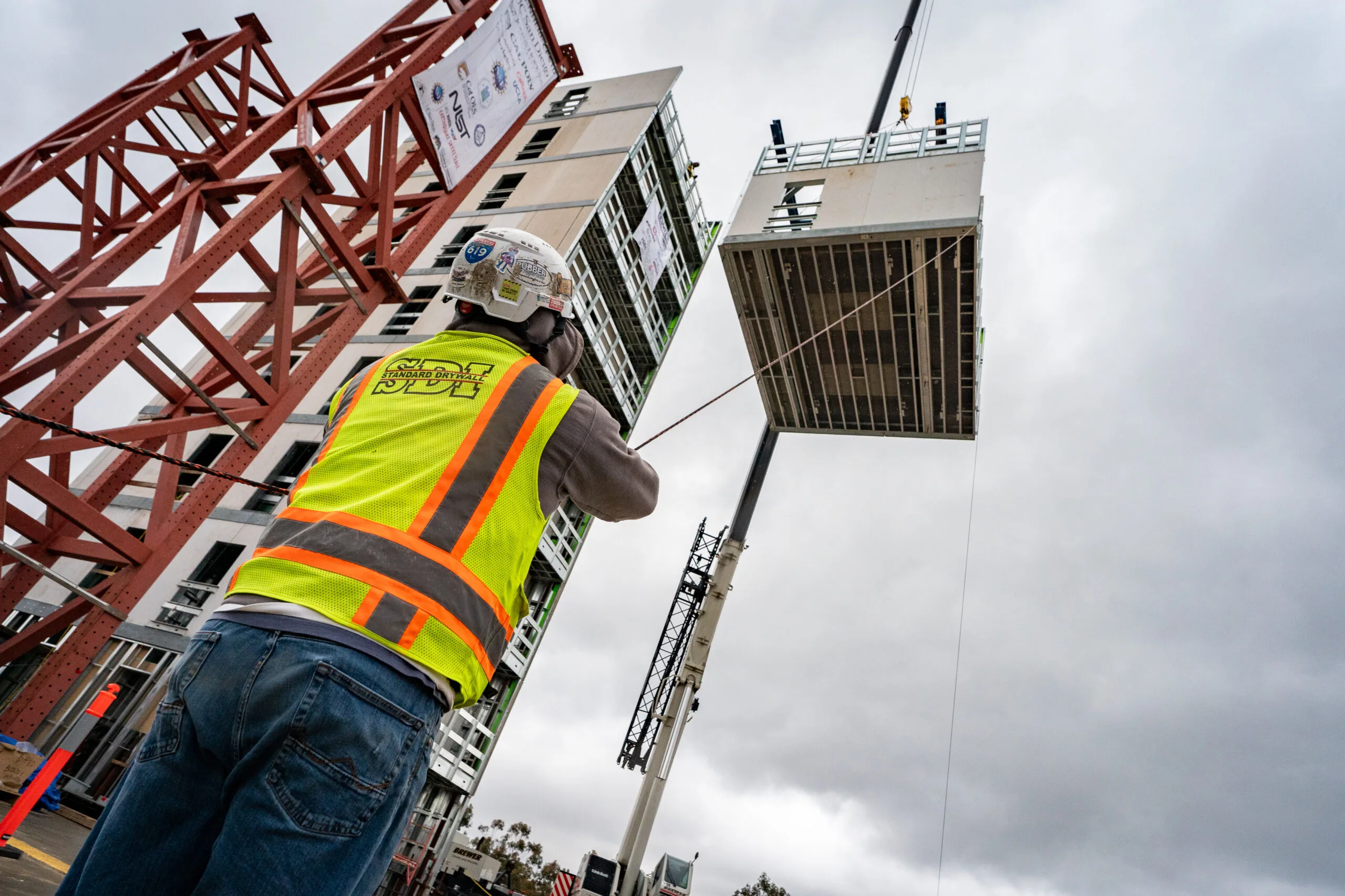
A metal building kit is a prefabricated package that includes all of the primary structural components needed to erect a steel frame building. This typically includes columns, rafters, girts, purlins, roof panels, wall panels, trim, fasteners, and anchor bolts. Everything is cut, drilled, and punched at the factory so that the components arrive on site ready for assembly.
This is fundamentally different from traditional construction, where raw materials are measured, cut, and fabricated on site. That process introduces variables at every stage. Weather delays, measurement errors, and material waste all add up. With a kit, those variables are engineered out before the first truck arrives.
Cost Advantages That Actually Hold Up
One of the biggest draws of metal building kits is pricing transparency. Because the manufacturer engineers and fabricates everything before shipping, the quote you receive upfront tends to be far more accurate than estimates for conventional construction. There are fewer change orders, fewer surprise material runs, and less wasted labor.
The savings extend beyond the initial purchase. Steel buildings require less maintenance than wood frame structures. They resist termites, rot, mold, and warping. Insurance premiums are often lower because steel is noncombustible. Over a 30 year ownership period, those reduced operating costs compound significantly.
For a detailed breakdown of what to expect on pricing across different sizes and configurations, metal building kits are worth researching before you commit to any construction method.
Speed of Construction
A typical metal building kit can be erected in a fraction of the time required for conventional construction. A 5,000 square foot building that might take three to four months with traditional framing can often be standing and enclosed in four to six weeks with a prefabricated kit.
That speed matters for more than just convenience. Every week a project sits unfinished is a week of carrying costs on the land, a week of delayed revenue if the building is commercial, and a week of exposure to weather damage on an open structure. Faster completion translates directly to financial performance.
Versatility Across Applications
Metal building kits are no longer limited to warehouses and agricultural storage. Modern kits are engineered for retail spaces, office buildings, auto shops, churches, gymnasiums, aircraft hangars, and residential workshops. Clear span designs eliminate the need for interior load bearing columns, giving owners open floor plans that can be configured and reconfigured as needs change.
This flexibility is especially valuable for small business owners who may need to adapt their space over time. A building that starts as a workshop can become a retail showroom or a distribution center without major structural modifications. That kind of adaptability is nearly impossible with traditional wood or masonry construction.
Energy Efficiency and Sustainability
Steel is one of the most recycled materials on the planet. Most metal building kits contain a significant percentage of recycled steel, and the building itself is fully recyclable at the end of its life. For owners who are tracking their environmental footprint, this is a meaningful advantage.
On the energy side, modern metal buildings can be insulated to meet or exceed current energy codes. Reflective roof panels reduce heat gain in warm climates. Insulated wall and roof systems keep heating and cooling costs manageable in any region. When paired with LED lighting and modern HVAC systems, a well designed metal building can perform on par with any conventional structure in terms of energy consumption.
What to Look for in a Kit Supplier
Not all metal building kits are created equal. The quality of the steel, the precision of the engineering, and the completeness of the package all vary between manufacturers. Before purchasing, look for suppliers who provide stamped engineered drawings specific to your local building codes and load requirements. Ask whether the package includes all secondary framing, trim, and accessories or if those are quoted separately.
Reputable suppliers will also offer technical support during the erection process. Even experienced contractors benefit from having a direct line to the engineering team that designed the building.
The Bottom Line
Metal building kits offer a combination of cost control, speed, durability, and flexibility that traditional construction methods struggle to match. Whether you are planning a commercial facility, an agricultural building, or a large residential workshop, a prefabricated steel kit deserves serious consideration. The technology and manufacturing processes behind these systems have matured to the point where quality and customization are no longer trade offs. You can have both.