Tudor Revival Homes: A Timeless Architectural Style Worth Preserving
Tudor revival homes continue to be one of the most identifiable and revered architectural styles used in housing. These houses borrow their features from medieval English architecture. They combine elegance and charm in a house that is very beautiful and durable.
Despite the many modern housing designs, tudor revival homes keep on being popular among home buyers due to the qualities that these houses possess. If you are planning to purchase or refurbish a house, you need to learn more about this style to know why it is so popular.
What Are Tudor Revival Homes?
Tudor revival homes originated in the late nineteenth century and became very popular in America in the 1920s and 1930s. The architects took inspiration from the features of Tudor homes built in England and made their own modern versions which would be compatible with the lifestyle of modern individuals.
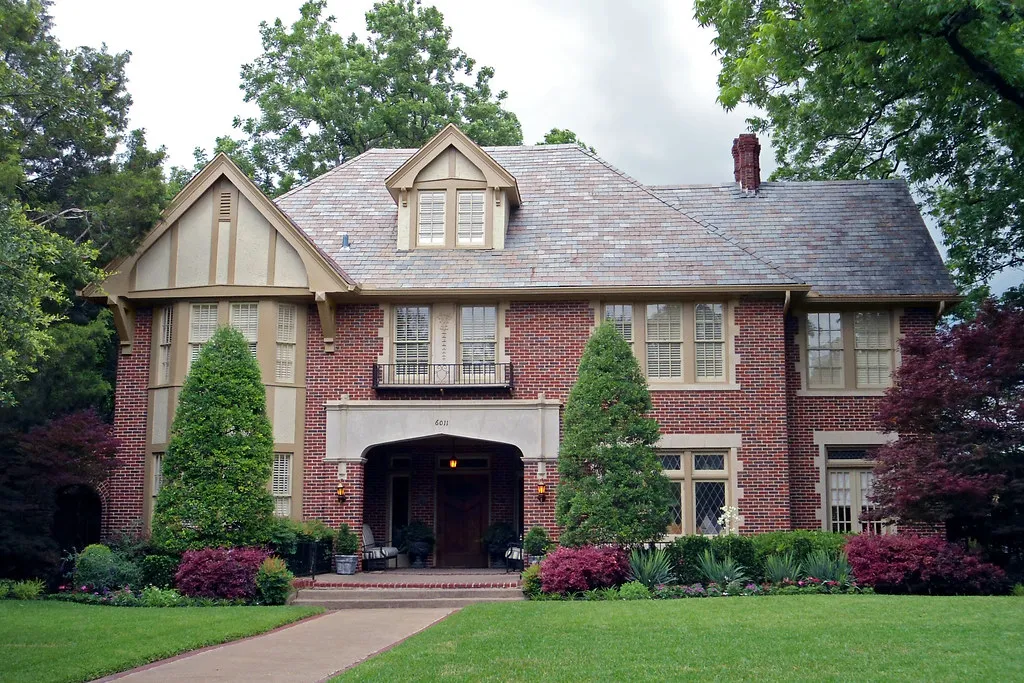
While traditional houses had a medieval approach to architecture, tudor revival homes follow the same aesthetic principles but use modern construction methods. Some of the defining features of such houses include asymmetrical design, wooden decorations, slanted roofs, and stone masonry.
Such houses can often be found in established suburban areas.
The History Behind Tudor Revival Architecture
The Tudor Revival style arose out of an interest in architectural designs that were inspired by Europe. The intention was to make houses that appeared as romantic as the country estate houses of England.
The style became popular in America from 1890 to 1940. The style was initially adopted by wealthy homeowners as a sign of class, but later on, even ordinary middle-class homeowners adopted the style.
Many of the surviving examples of tudor revival homes have become historic sites because of their period architecture.
The Impact of Medieval England
The design ideas originated from medieval England during its Tudor period. The Tudor period occurred from the late fifteenth century to the early seventeenth century.
Designers borrowed visual concepts like exposed wood framing, stone chimneys, and small windows along with incorporating contemporary features not available during earlier periods.
Reasons for the Popularity of the House Design
Some of the reasons for the popularity of Tudor houses include:
• Increasing admiration of European designs
• Necessity for houses with visual appeal
• Development of suburbs
• Craftsmanship and traditional material preference
These factors have resulted in the creation of tudor revival homes as an enduring architectural style.
Defining Characteristics of Tudor Revival Homes
There are some characteristics of this architectural style which differentiate it from the rest of the traditional houses.
Decorative Half-Timbering
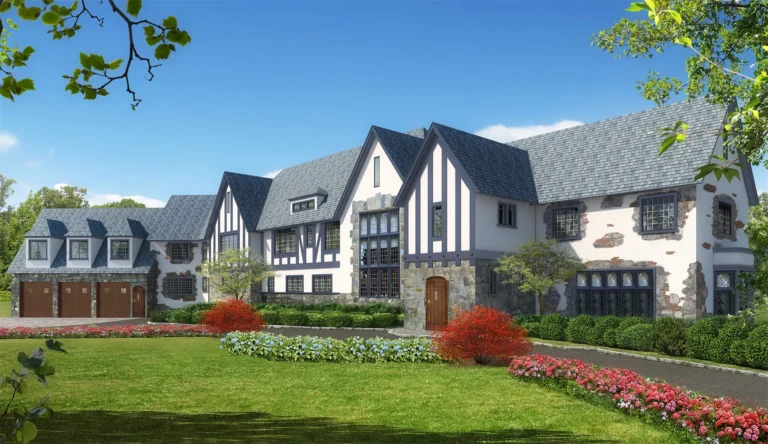
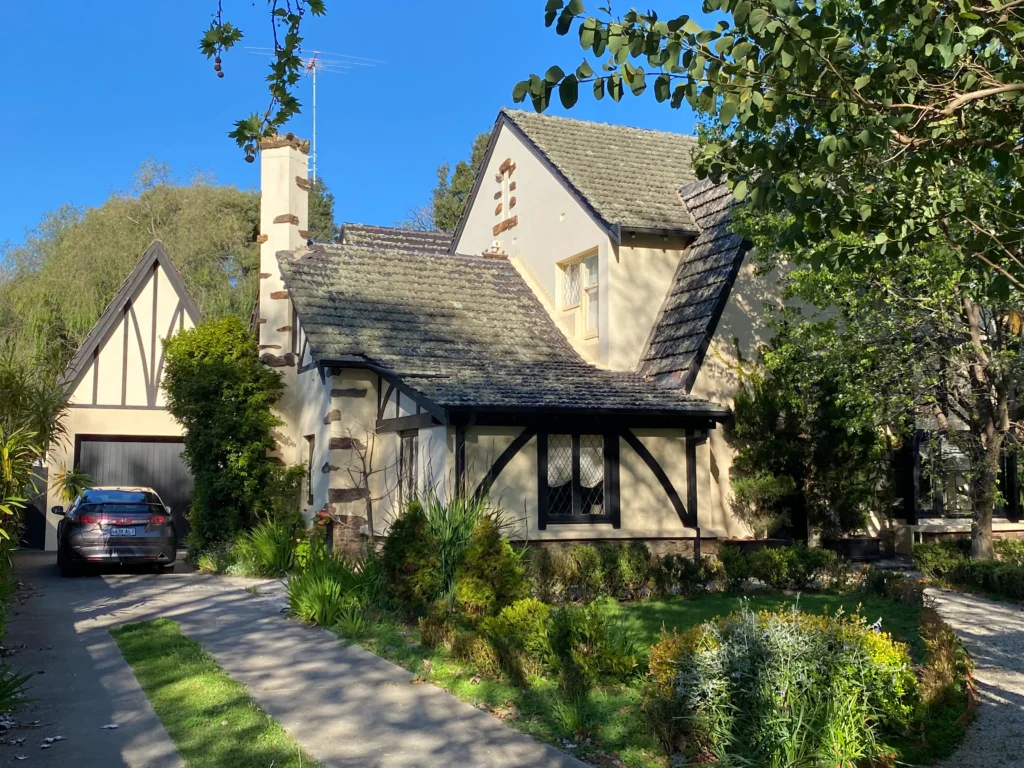
One of the most eye-catching architectural elements of this style is the decorative half-timbering. Dark timber contrasts with light-colored stucco or masonry to create a dramatic effect.
Unlike the actual Tudor architecture where timber was structural, in the case of revival houses, it serves mostly decorative purposes.
Steeply Pitched Roofs
The roofline can be one of the most distinguishing features of tudor revival homes because of their steep pitches.
Some of the characteristics of complex roofs include:
• Gabled roofline
• Cross-gabled roofline
• Dormers
• Varied roofline
Large Brick Chimneys
Large chimneys decorated with bricks increase the historical value of Tudor homes.
Original designs were designed to include large chimneys because fireplaces were major heat sources.
Present-day owners choose to keep such features because they help preserve authenticity.
Narrow Windows
Characteristics of typical Tudor windows include:
• Small panes
• Diamond-shaped glass panes
• Casement window frames
• Leaded panes
The mentioned windows make Tudor-style homes look like those from the past but allow natural light inside.
Various Materials Used for Walls
Most tudor revival homes use various building materials.
Common combinations include:
| Exterior Material | Purpose | Visual Effect |
| Brick | Structural durability | Traditional elegance |
| Stucco | Decorative finish | European character |
| Stone | Accent feature | Historic appeal |
| Timber | Design detailing | Authentic Tudor appearance |
Using multiple materials helps achieve the layered aesthetic associated with Tudor architecture.
Exterior Design Elements That Define Tudor Style Homes
It is the exterior design that decides whether the structure belongs to Tudor Revival style of architecture.
Asymmetrical Fronts
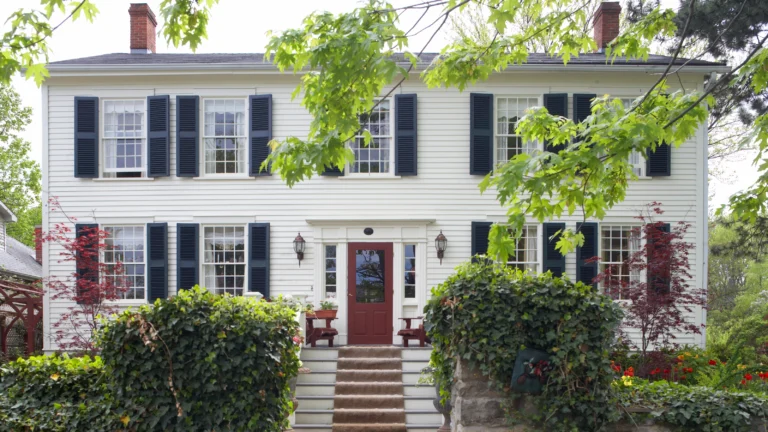
In contrast to Colonial houses that favor balance and symmetrical design, Tudor Revival homes favor asymmetry.
Typically, front elevations include:
• Asymmetrical doors
• Varying sizes of windows
• Creeping projections
• Different heights of roofs
This design style creates an organic and picturesque impression.
Arched Doorways
Arched doorways are another hallmark of Tudor Revival architecture.
Architects often use:
• Arched doorways with either rounded or pointed arches
• Heavy wood doors equipped with wrought iron fixtures
Characteristic Brickwork
Masonry is usually used for accenting the structure.
Such design elements as:
• Brickwork patterns
• Surrounding stones
• Masonry finishes
• Stone textures
are often applied.

Interior Features of Tudor Revival Homes
Whereas exterior components draw attention, the interiors have their distinctive qualities too.
Wood Features
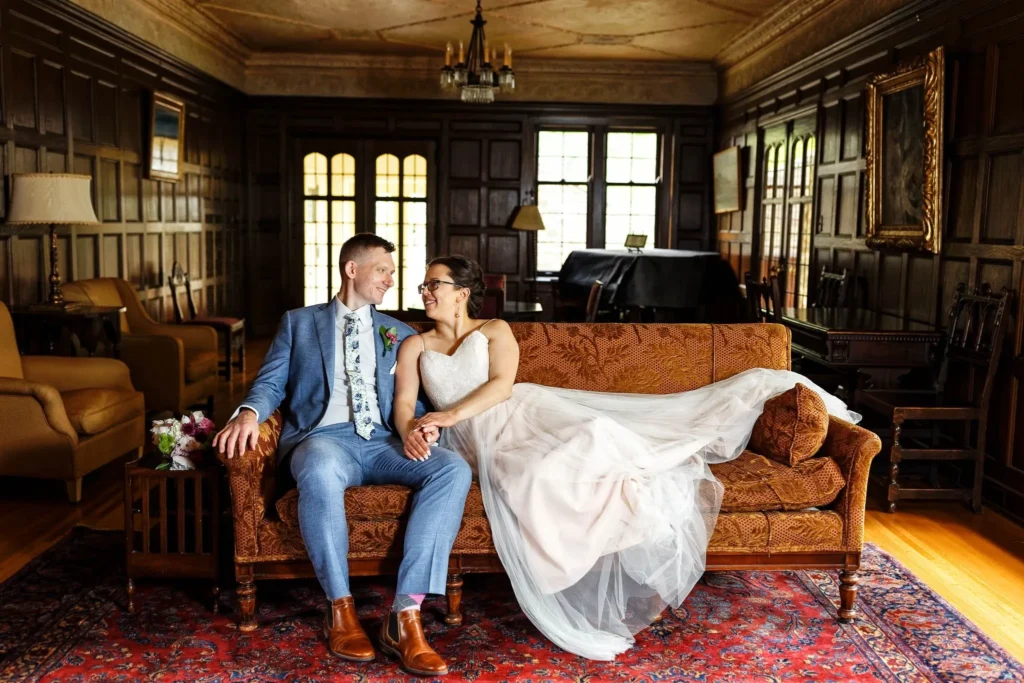
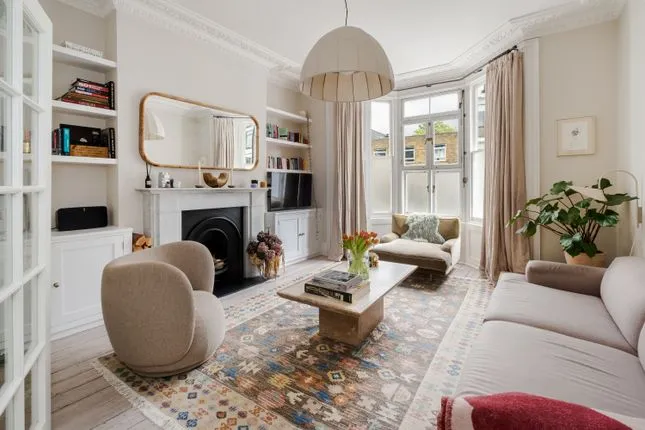
Natural wood is extensively used in the interiors of Tudor houses.
Some prominent elements include:
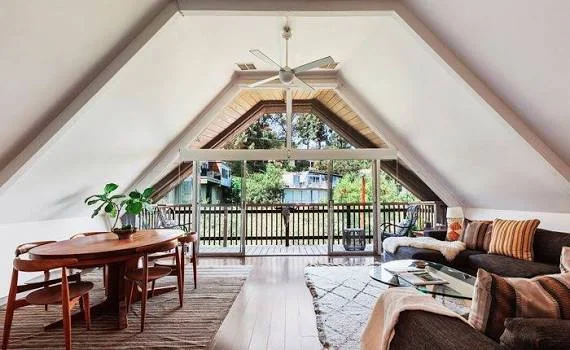
• Exposure of ceiling beams
• Oak panelling
• Parquet floors
• Trim works
These materials contribute to warm feeling of the interior and emphasize traditional design.
Big Fireplaces
In many cases, fireplaces play the part of gathering space for family members in the tudor revival homes.
Stone surround, mantels carved with designs and other details add aesthetics and functionality to the fireplace.
Many historical examples use large hearth as the element reflecting medieval influence.
Cozy Interior Spaces
Contrary to modern open-plan concepts, Tudor interiors are focused on well-defined areas of living.
They are cozy, functional and comfortable places.
Some common interior spaces include:
• Dining room
• Library
• Breakfast nook
• Sitting room
Popular Color Schemes for Tudor Home Interiors
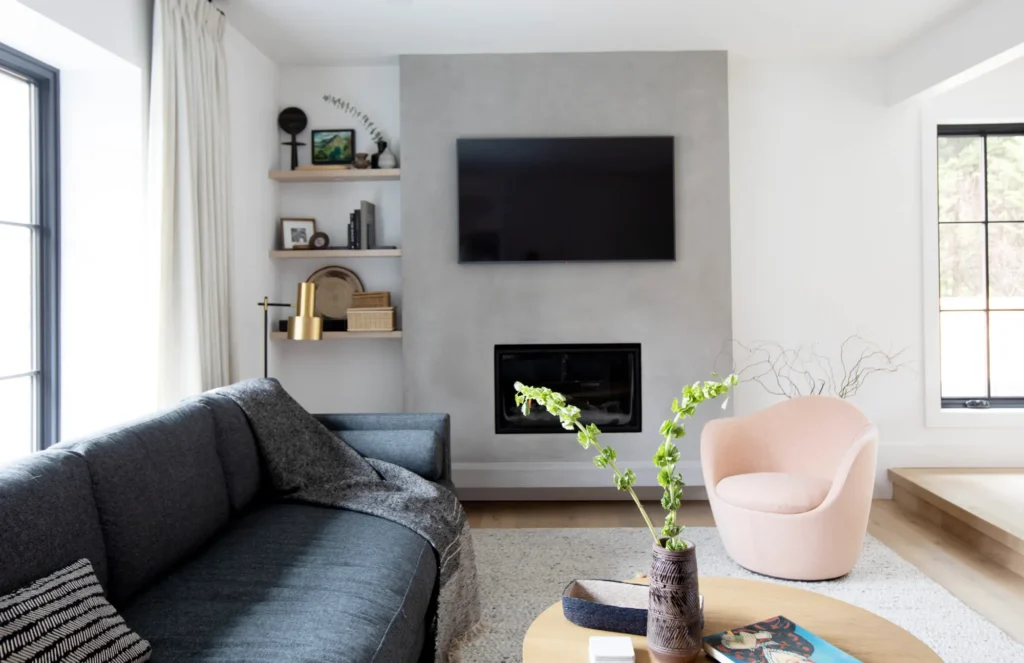
Selection of proper color can help retain historical accuracy.
Neutral colors tend to be more suitable.
Recommended combinations include:
| Color Category | Suggested Shades |
| Walls | Cream, ivory, beige |
| Woodwork | Walnut, chestnut |
| Accent Colors | Burgundy, forest green |
| Fabrics | Gold, navy, rust |
These colors complement traditional materials while maintaining a refined atmosphere.
Advantages and Challenges of Tudor Revival Homes
Like any architectural style, Tudor residences have strengths and limitations.
Pros and Cons Table
| Pros | Cons |
| Exceptional curb appeal | Higher maintenance costs |
| Historic charm | Roofing repairs can be expensive |
| Durable materials | Smaller room layouts |
| Strong resale value | Energy efficiency upgrades may be needed |
| Unique design identity | Restoration requires expertise |
Homeowners interested in tudor revival homes should evaluate these factors before purchasing or renovating.
Renovating Tudor Revival Homes Successfully
There are challenges associated with upgrading an old house.
Preserve Authentic Design Elements
It is usually better to keep real architectural elements in order to increase its worth and preserve its history.
Things to consider preserving are:
• Timber detailing
• Masonry
• Original windows
• Hardwood flooring
• Historic fireplaces
All these elements help define the entire house.
Make Your House Energy Efficient
Old houses usually need to be made energy efficient.
The following should be taken into consideration:
• Insulation improvement
• Energy-efficient windows
• HVAC installation
• Modern thermostats
This will ensure comfortable living and will not affect the architecture of your home.
Upgrade Your Kitchen Thoughtfully
A kitchen should blend with the rest of the interior.
The following materials would be perfect:
• Stone countertops
• Shaker cabinets
• Classical lighting
• Wooden finishing
Landscaping Ideas for Tudor Revival Homes
Landscaping is a major factor when considering curb appeal.
Classical gardens suit Tudor style architecture very well.
Appropriate landscaping includes:
• Boxwood hedges
• Rock walkways
• English cottage gardens
• Climbing vines
• Flover borders
Naturalistic landscaping accentuates the European inspiration for tudor revival homes.
Best Plants for Tudor Gardens
Some popular choices are:
• Lavender
• Roses
• Hydrangeas
• Foxgloves
• Holly
• Yew bushes
They will create a timeless and inviting atmosphere.
Modern Interpretations of Tudor Revival Style
Modern designers today are finding ways to recreate historic architectural designs into modern homes.
The modern day Tudor-inspired houses often consist of:
• Bigger windows
• Open layout designs
• Environmentally friendly materials
• State-of-the-art technology
• Energy-saving systems
This allows for both the retention of traditional appeal and the modern homeowner needs.
Buying Tudor Revival Homes: What to Inspect
Potential buyers should conduct a thorough evaluation prior to making their purchase.
Roof Evaluation
Advanced roof systems need proper maintenance.
Look out for:
• Missing shingles
• Sagging
• Water damage
• Fascia defects
Evaluation will ensure that you do not incur any surprise charges.
Chimney Evaluation
A chimney from an older home needs extra care.
Look for:
• Mortar cracks
• Listing chimneys
• Moisture entry
• Brittle bricks
Regular evaluations will help prolong its life.
Timber Care
Timber elements should be maintained well.
Look for:
• Wood rot
• Pest infestations
• Peeling paint
• Moisture damage
Proper maintenance helps maintain the unique look of tudor revival homes.
Are Tudor Revival Homes Expensive?
Prices depend on factors such as location, age, condition, and historical significance.
Tudor homes that are in excellent condition tend to have high value due to the uniqueness of the style.
Price determinants are:
• Lot size
• Rehabilitation efforts
• Original design work
• Sought-after location
Properties with intact craftsmanship tend to outperform other property styles in terms of resale value.
Design Trends Influencing Tudor Homes in 2026
A number of current trends are impacting the future of residential historic designs.
Sustainable Restoration
More and more people prefer sustainable renovations.
Common options are:
• Using reclaimed wood
• Solar power installations
• Effective insulation
• Low water fixtures
It is possible to achieve sustainability targets without violating historic principles of design.
Smart Homes Incorporation
Modern technology does not have to spoil the aesthetic appeal of a house.
Such elements as:
• Invisible speakers
• Automatic lights
• Security systems
• Temperature control
can be incorporated discreetly and will not destroy the appearance of tudor revival homes.
Tradition and Modernity Combination
Interior designers opt for contrasts.
They combine traditional furniture with minimalist decoration to create elegant and cozy interior space that is uniquely theirs.
Infographic: Key Features of Tudor Revival Homes
Tudor Revival Homes at a Glance
✓ Half timbered exterior
✓ Gabled roof lines
✓ Brick and stucco exteriors
✓ High chimneys
✓ Lead glass windows
✓ Ornate wooden interiors
✓ Classic appearance
✓ Distinctive architecture
✓ Appealing exterior
✓ Enduring popularity
Conclusion
Tudor revival homes still appeal to homeowners because of their ability to blend the grace of history with the practicality of utility. Their pitched roof, wooden detailing, luxurious interior and excellent craftsmanship set them apart from most contemporary houses.
Whether restoring the original building or adding a Tudor revival element to a newly built house, the cost of investment in tudor revival homes provides the chance to benefit from the charm of architecture that has stood the test of time over a century ago. It is therefore not surprising that this type of architecture is bound to endure for many years to come.
Frequently Asked Questions
What are some characteristics of tudor Revival homes?
Tudor revival homes are any home built based on medieval English design elements. It has steep roofs, elaborate timbering, brick exterior, high chimneys, and unique windows.
When did people prefer Tudor Revival houses?
The popularity of Tudor houses grew especially during the 1920s-1930s period; however, it was seen earlier in the last part of the nineteenth century.
Are Tudor houses hard to take care of?
It might be somewhat more challenging than taking care of a modern home because of the complicated roof system, the presence of masonry, and wood ornamentation.
Is it possible to remodel a Tudor Revival house?
Yes, many people manage to update their tudor revival houses in terms of energy-efficient insulation, kitchen remodeling, installation of smart home systems, etc.
Why are Tudor-style houses so sought after?
This architectural style brings a lot of advantages such as timeless aesthetic appeal, excellent quality, high curb appeal, and a sense of history that cannot be seen in other houses.
What materials do Tudor-style houses use?
Some of the most common materials used for constructing Tudor-style homes include brick, stucco, stone, wood timbers, slate roof, and masonry.