How to Improve Water Pressure in Your Home: Practical Solutions for Stronger Water Flow
When you’re in the shower, doing dishes, or watering plants, a weak water flow can be super frustrating. It just wastes time and makes those tasks so much less enjoyable. Lots of people want to boost how to improve water pressure in your home without paying heaps for pro plumbing help.
Fortunately, many reasons for low water pressure are simple and easy to spot and fix yourself. Clogs, old pipes, and even too many appliances using water at once are culprits. The key is figuring out why you’ve got weak flow.
This guide will show you how to improve water pressure in your home. You’ll find out typical causes of poor pressure and check out some practical fixes for stronger, more reliable water flow all around your house.
Understanding What Causes Low Water Pressure
Before you dive into fixing anything, figure out what’s causing your house’s water pressure to be low. There could be several reasons for that weak water flow.
Clogged Faucets and Showerheads
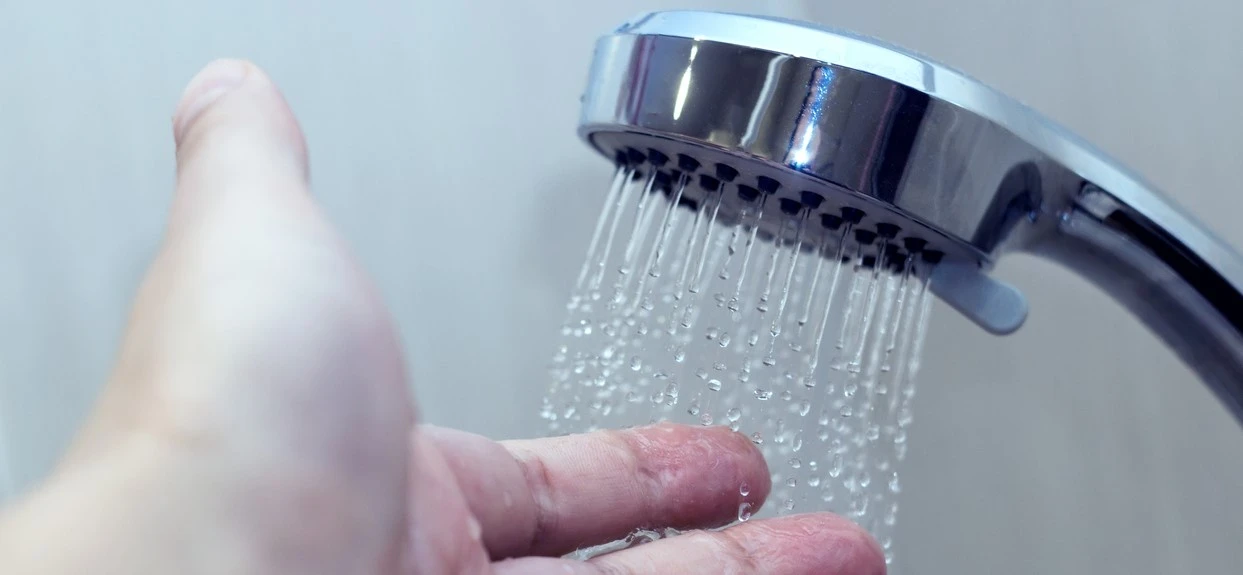
First, faucets and showerheads get clogged by mineral buildup over time, particularly if you have hard water. It makes sense, since a bunch of gunk stuck in there blocks the water, making the pressure seem lower than it really is.
Partially Closed Valves
Next, keep an eye on the main water shut-off valve and the water meter valve. Many folks forget to check if these are fully open, which can seriously cut down your home’s improve water pressure.
Leaking Pipes
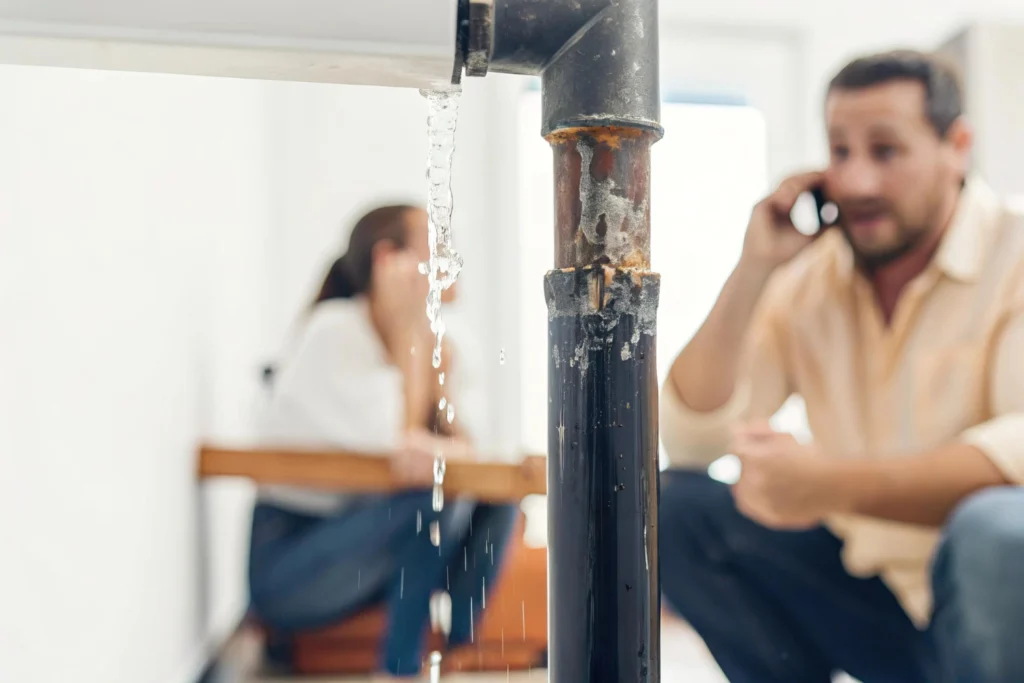
Also, a plumbing leak might sneak up behind walls, under floors, or underground. When you lose water because of leaks, the flow will be weaker.
Corroded Plumbing
If your place was built a while ago and uses galvanized steel pipes, chances are corrosion has slowed down water flow by narrowing those pipes.
Municipal Water Supply Issues
Lastly, sometimes it’s not about your home at all the issue could come from the municipal water system itself. Things like maintenance, when everyone’s using water most during the day, or shortages could mean less pressure at your tap too.
How to Improve Water Pressure in Your Home Through Simple Maintenance
One easy way to tackle low improve water pressure is through regular maintenance.
Clean Faucet Aerators
First, clean your faucet aerators. These are tiny screens on your faucet that gather grit and minerals over time. Cleaning them is super simple:
1. Unscrew the aerator.
2. Soak it in vinegar for a few hours.
3. Give it a scrub to get rid of any residue.
4. Put it back on.
Boom, you’ll likely notice a big difference in how well water flows from your taps.
Flush Showerheads
Next, flush your showerhead if you think the water pressure there is lacking. Remove it and soak it overnight in some good ol’ white vinegar. This will break down build-up and perk up that flow.
Check Water Filters
Lastly, check your water filters. If your home uses a whole-house filtration system, swapping out the dirty filter cartridge regularly keeps water moving freely and stops low pressure around the house.
Check Your Water Pressure Regulator
What Is a Pressure Regulator?
A pressure regulator, or pressure-reducing valve, is found in many homes. It manages the water pressure from the city supply. If it fails, the pressure could suddenly drop.
How to Test Water Pressure
Testing improve water pressure isn’t hard. Get an affordable gauge from any hardware store and attach it to an outdoor faucet.
For most homes normal pressure lies.
• 40 PSI to 60 PSI: Normal
• Below 40 PSI: Low
• Above 80 PSI: Potentially damaging
If you notice consistently low readings try tweaking or replacing the regulator.
How to Improve Water Pressure in Your Home by Inspecting Valves
Main Shut-Off Valve
Find your house’s main water shut-off valve and make sure it’s wide open. Even if it’s just a tiny bit closed, it can cut the water pressure. This technique will help to improve water pressure.
Water Meter Valve
Also, check the valve by the water meter. It needs to be fully open too. People accidentally turn it down during plumbing jobs and forget about it. This procedure will also help to improve water pressure.
It only takes a few minutes to do this. Plus, it might fix your problem right away.
Upgrade Old Plumbing Systems
Replacing corroded pipes
Galvanized steel pipes in older homes often get clogged with rust and minerals.
Modern alternatives include:
• Copper piping
• PEX piping
• CPVC piping
Updating to these modern options can really improve water pressure and make the water cleaner.
Address Pipe Size Issues
Some old homes have pipes that are just too small, making it hard to run water at more than one fixture at a time. Bumping up the size of those pipes helps ensure a steady flow everywhere in the house.
Install a Water Pressure Booster Pump
What Is a Booster Pump?
A booster pump is a type of water pump that increases the amount of pressure of the water delivered to your home or business. They can be used primarily in homes that are on hills or at the top of high rise buildings. Other types of locations where booster pumps can be beneficial to your plumbing system and improve water pressure would be far away from municipal water supply lines.
Benefits of Booster Pumps
Some advantages of installing a booster pump include:
• Strong showers
• Improved performance of appliances
• Improved irrigation systems
• Consistent pressure throughout the home
By installing a booster pump, you may need to invest more upfront; however, this type of system could be your answer to chronic low water pressure problems in your home.
Detect and Repair Hidden Leaks
Clues of a Plumbing Leak
If you suspect a leak, check for: • Water bills that are too high
• Damp patches on walls
• Mould growth
• Water running noises when fixtures are shut
• Wet patches in the yard
Methods for Detecting Leaks
A simple test is to shut off all of your water fixtures and watch your water meter. If the meter is still running there could be a leak.
You can fix leaks to improve water pressure as well as cut water waste and utility costs.
Improve Water Pressure in Multi-Story Homes
Multi story houses are often under less pressure on the upper floors.
Upper Floor Solutions
To increase water pressure upstairs:
• Install a booster-pump
• Replace the plumbing lines
• Ensure the pressure regulator is working properly
• Look for dedicated pressure systems for upper levels
These help to distribute water more evenly throughout the home.
Water Softeners and Their Impact on Pressure
Hard water leads to mineral deposits that clog plumbing fixtures and pipes.
Advantages of a Water Softener Installation
A water softener will:
• De-crusting
• Protect plumbing fixtures.
• Increases appliance life
• Help to maintain constant water pressure
A softener does not directly increase pressure, but it does prevent conditions that cause a loss of pressure.
Prevent Future Water Pressure Problems
Good plumbing habits can help you avoid problems in the future.
Routine Maintenance List
• Clean aerators on a few month basis.
• Regularly flush showerheads.
• Inspect visible plumbing for leaks.
• Change water filters as recommended.
• Check household water pressure once a year.
• Have professional plumbing inspections done as needed.
Regular maintenance ensures the water flows reliably all year long.
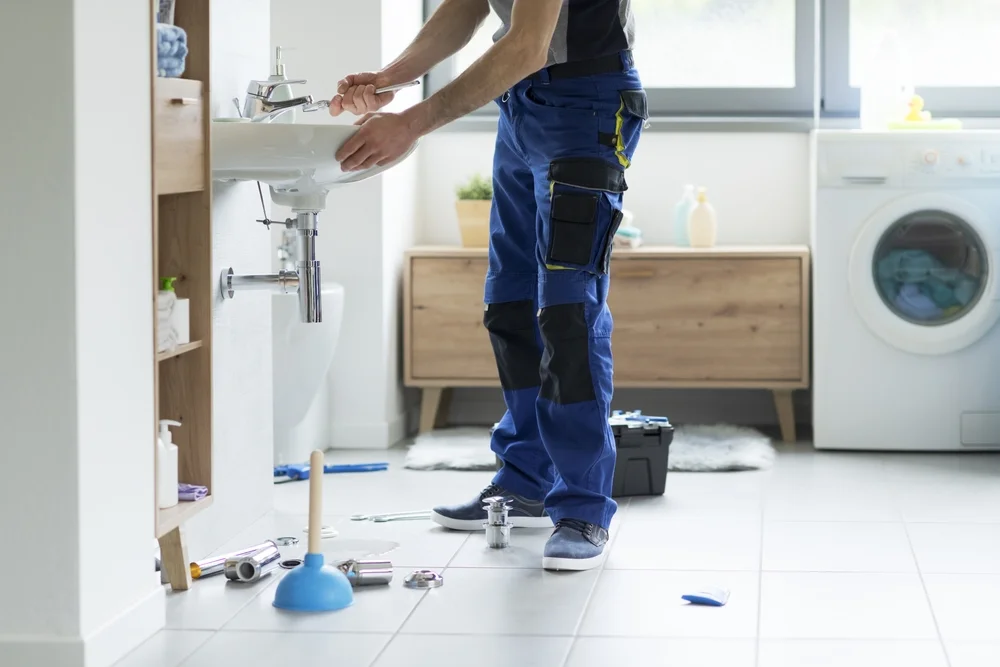
When to Call a Professional Plumber
Many pressure problems are easy to fix, but some need professional expertise.
If you think about calling a plumber:
• The pressure in the home suddenly drops.
• You suspect concealed pipe leaks.
• Severely corroded plumbing pipes.
• Pressure regulator adjustment does not help.
• No known issues with the municipal supply.
A licensed plumber can diagnose complicated problems and find the most cost-effective solution.
Conclusion
How to improve water pressure in your home, start by figuring out what’s causing the problem. Often, easy solutions work great – clean your fixtures, open valves, replace filters, or fix leaks. For tougher issues, you might need to update old pipes or add a booster pump.
Doing regular upkeep and not putting off fixing leaks means you’ll have steady water pressure, better efficiency, and increased comfort in your house. Whether the problem is small or big, dealing with it now will make your everyday chores easier and way more pleasant.
FAQs
Why is my water pressure suddenly low in my house?
Well, there could be a hidden leak or a valve that’s just a bit too closed. The issue might even stem from municipal water supply problems, or maybe your pressure regulator is acting up.
How can you beef up water pressure at home without redoing pipes?
Clean those aerators, flush your showerheads, make sure all the valves are fully open, swap out any old filters, fix leaks pronto, and tweak that pressure regulator.
Would installing a booster pump help bump up water pressure?
You bet. It amps up the incoming water’s force and really steps up the pressure around the whole house.
What range is considered ideal for house improve water pressure?
Most places run great somewhere between 40 and 60 PSI. Less than 40 can feel pretty wimpy, and more than 80 might actually hurt your pipes.
Can hard water drag down improve water pressure?
Absolutely, those minerals love clogging up pipes and fixtures, cutting down on flow over time.
When should you keep an eye on your water pressure?
Checking it a couple of times a year will usually catch small plumbing troubles before they blow up into big headaches.
Do you need information about Home Improvements That Add Value