Rose Remodeling Helps Homeowners Solve Hard-to-Use Tub Problems With Tub-to-Shower Conversion Services
Key Takeaways
- A tub-to-shower conversion can make an outdated bathroom easier to access, clean, organize, and use every day.
- The existing layout, plumbing, surrounding surfaces, and bathroom condition should be assessed before installation begins.
- Features such as low-threshold entries, grab bars, seating, slip-resistant surfaces, and reachable storage can support comfort and future mobility needs.
- Rose Remodeling offers customized tub-to-shower conversions with options for doors, glass, finishes, fixtures, storage, and accessibility features.
- Many conversions may be completed quickly, but the actual timeline depends on plumbing, repairs, materials, and site conditions.
- Homeowners should compare the complete project scope, warranty, financing terms, materials, and installation requirements before approving the work.
An old bathtub can become an everyday frustration when it is rarely used, difficult to step into, hard to clean, or no longer suited to a household’s routine. Rose Remodeling provides tub to shower conversion services that replace an existing tub with a more practical shower, often within the same general footprint. This approach can update the room without requiring a complete bathroom renovation. Rather than treating every bathroom as a standard fixture swap, Rose Remodeling begins by considering the existing layout, plumbing, surrounding surfaces, and homeowner priorities. The goal may be easier access, a more current appearance, improved storage, or a shower that better fits long-term needs. A thoughtful plan helps ensure that the finished space works well beyond installation day.
Why Homeowners Choose a Tub-to-Shower Conversion
Many homeowners discover that the bathtub occupies valuable space without providing much value in daily life. A shower can make the room feel more open while creating a bathing area that is easier to enter and maintain. For households with an older bathroom, a conversion can also be a focused way to refresh a worn or dated tub enclosure.
- Easier entry: A shower can reduce or eliminate the need to step over a high tub wall.
- Better daily use: Homeowners who rarely take baths can reclaim the tub area for a shower they use every day.
- Simpler maintenance: Modern shower walls, built-in storage, and streamlined fixtures can make routine cleaning less cumbersome.
- Improved organization: Niches, shelves, and other storage options help keep toiletries off the shower floor and tub edge.
- Updated style: Glass, hardware, wall finishes, and enclosure choices can give an older bathroom a more finished look.
Accessibility is another common reason to consider a conversion. The CDC’s older adult falls data notes that more than 14 million adults age 65 and older report falling each year. A remodeled shower cannot eliminate every fall risk. Still, practical features such as a lower entry, stable support points, and reachable controls can help homeowners plan a bathing space with comfort and mobility in mind.
How Rose Remodeling Plans a Safer, More Useful Shower
The best shower design depends on the person using it. Someone focused on a cleaner, contemporary look may prioritize glass panels and a recessed niche. Someone planning to age in place may care more about a low-threshold entry, seating, and grab bar placement. Rose Remodeling can review those goals during an in-home consultation before materials and finishes are selected.
Features That Can Improve Everyday Use
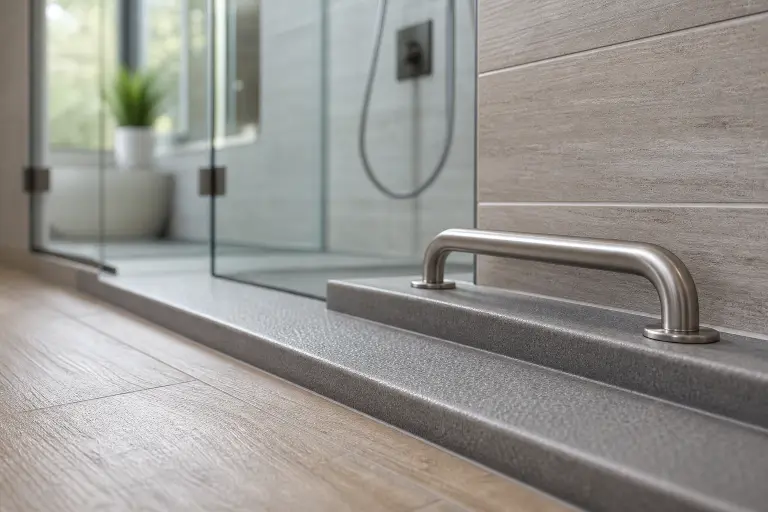
- Low-threshold entries: These reduce the height a person needs to step over when entering the shower.
- Built-in or fold-down seating: A seat can provide a convenient place to rest while bathing.
- Grab bars: Properly planned support bars can provide stability where it is needed most.
- Slip-resistant surfaces: Surface selection can support a more secure footing under wet conditions.
- Built-in niches and shelving: Storage keeps shampoo, soap, and other essentials within reach.
- Glass and door options: Sliding doors, hinged doors, and glass panels can be selected according to available clearance and water-control needs.
- Coordinated hardware and finishes: Details such as fixtures and handles help the new shower fit the rest of the bathroom.
Bathroom modifications should be based on the user’s mobility, reach, balance, and plans, rather than a one-size-fits-all checklist. Research into home modifications that improve accessibility also recognizes bathrooms as areas that can present significant daily-use challenges. That makes early planning especially valuable when choosing a shower layout and accessories.
What the Rose Remodeling Conversion Process Includes
A clear process helps homeowners understand what will happen before work begins. Rose Remodeling’s tub-to-shower conversion process is designed to guide the project from an initial request through planning, installation, and final review, with the homeowner’s goals in view.
- Initial request: The homeowner shares the property location, bathroom concerns, desired features, and preferred timing.
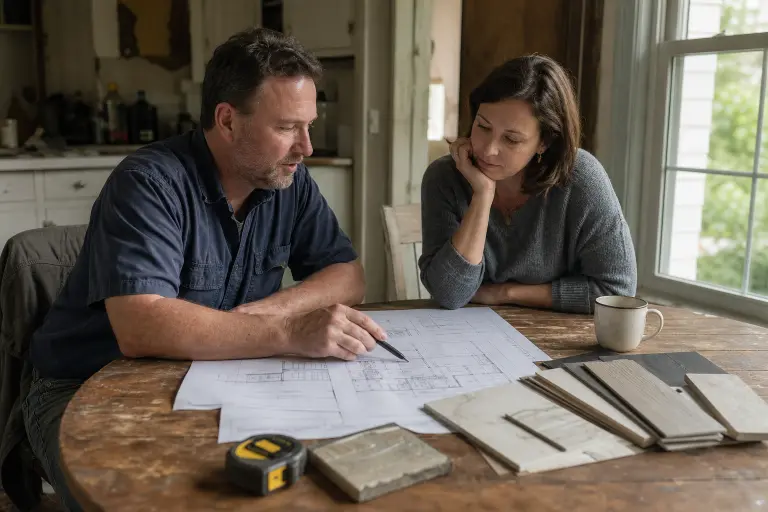
- In-home consultation: Rose Remodeling measures the space and examines the existing tub area, layout, plumbing, and surrounding conditions.
- Personalized recommendations: The team discusses shower styles, access features, storage, doors, finishes, and budget priorities.
- Project planning: The scope of work, selected materials, schedule, financing options, and warranty details can be reviewed before approval.
- Removal and preparation: The existing tub is removed, and the area is prepared for the replacement shower system.
- Plumbing and waterproofing: Necessary plumbing work and water-management preparation are completed before finished surfaces are installed.
- Installation and review: The shower, fixtures, enclosure, and accessories are installed, followed by cleanup and a final walkthrough.
Rose Remodeling states that many conversions can be completed in as little as one day. Actual timing depends on the condition of the bathroom, plumbing requirements, selected materials, and the project’s overall scope. A consultation is the appropriate time to discuss what schedule is realistic for a specific home.
How to Compare Tub-to-Shower Options
Homeowners do not need to choose every feature before requesting an estimate, but they should think about how the room needs to function. Rose Remodeling can help narrow the choices, while the following considerations give the conversation a practical starting point:
- Access: Is the shower entry appropriate for current needs and possible future mobility concerns?
- Water control: Will a door, enclosure, or glass panel fit the room and contain water effectively?
- Storage: Can toiletries be reached easily without cluttering the floor?
- Cleaning routine: Are the chosen walls, doors, and fixtures realistic for the homeowner’s maintenance preferences?
- Room layout: Can the existing tub footprint be used efficiently without extensive structural changes?
- Long-term comfort: Would seating, grab bars, or easy-to-reach controls make the shower more useful over time?
Where Rose Remodeling Offers Conversion Services
Rose Remodeling serves homeowners throughout the Sacramento metropolitan area, the Bay Area, and San Joaquin County. Its service area includes communities such as Sacramento, Elk Grove, Roseville, Livermore, Tracy, Pleasanton, Danville, Napa, and Dublin. Homeowners outside those locations can confirm availability when making their initial request. Local experience matters because Northern California homes can vary widely in age, bathroom size, plumbing configuration, and existing finishes. An in-home assessment allows Rose Remodeling to identify conditions that may affect the conversion plan before installation is scheduled.
Frequently Asked Questions
Can Rose Remodeling convert a tub without remodeling the entire bathroom?
In many cases, yes. A conversion can focus on the existing tub area, although the final scope depends on the bathroom’s plumbing, layout, surfaces, and condition.
Can accessibility features be added to the new shower?
Rose Remodeling offers options such as low-threshold entries, seating, grab bars, and storage. The right combination should reflect the homeowner’s individual needs and plans.
Can the new shower be customized?
Yes. Homeowners can discuss storage, doors, glass styles, hardware, finishes, seating, and accessibility-focused details during the planning stage.
Does Rose Remodeling offer financing?
Rose Remodeling promotes financing options, including a 12-month same-as-cash program. Current terms, eligibility requirements, and conditions should be confirmed during the consultation.
A Practical Next Step for an Outdated Tub
A tub-to-shower conversion can be a smart solution when an existing bathtub no longer matches the way a household lives. Rose Remodeling helps homeowners evaluate the existing space, select useful features, and plan a shower that supports access, organization, comfort, and style. For homeowners in Sacramento, the Bay Area, and San Joaquin County, an in-home consultation provides a clear first step toward replacing a hard-to-use tub with a shower designed for daily life.
Conclusion
A tub-to-shower conversion can be more than a cosmetic bathroom update. For homeowners whose bathtub is difficult to use, rarely needed, or no longer fits their daily routine, replacing it with a thoughtfully designed shower can improve access, comfort, storage, and maintenance. Rose Remodeling provides a focused approach that can often update the existing bathing area without requiring a complete bathroom renovation. By considering accessibility, plumbing, waterproofing, shower entry, seating, storage, and long-term needs from the beginning, Sacramento-area homeowners can create a bathing space that is more practical today and easier to use in the years ahead.