
What to Consider Before Starting a Whole Home Renovation
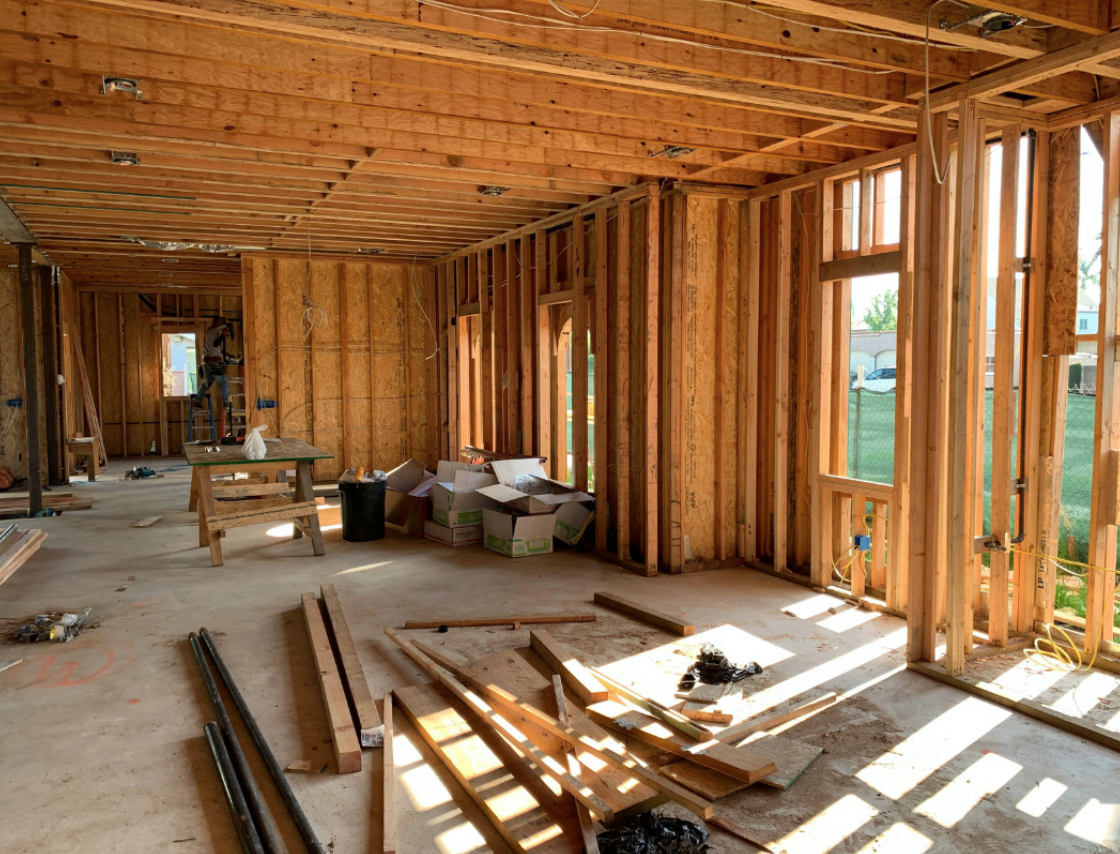
A whole home renovation touches every room and every system in your house. It is bigger than updating a kitchen or refreshing a bathroom. It involves layout changes, new finishes, updated wiring, and sometimes structural work. Before you sign any contracts, take time to think through the decisions that will shape the entire project. The right planning now saves money, time, and stress later.
Set a Clear Goal for the Renovation
Start by asking why you want to renovate. Some homeowners want more space for a growing family. Others want to fix outdated layouts or aging systems. Some simply want a home that matches their current taste. Your goal will guide every choice that follows, from the floor plan to the materials you pick.
Write down your top three priorities before you meet with anyone. Maybe you want an open kitchen, a larger primary bedroom, and better natural light. These priorities will help you and your contractor stay focused when budget pressure forces tough choices.
Understand Your Budget and Financing Options
A whole home renovation often costs more than homeowners expect. Materials, labor, permits, and unexpected repairs all add up quickly. Set a realistic budget before you start, and add a buffer of at least fifteen percent for surprises. Older homes especially tend to reveal hidden issues once walls come down.
Look into your financing options early. Some homeowners use savings, while others use a home equity loan or a renovation specific loan product. Each option has different costs and requirements, so compare them before committing. A clear budget keeps your project grounded and prevents costly mid project changes.
Decide Between Renovating and Moving
Before committing to a full renovation, compare the cost against buying a new home. In many markets, renovating a home you already own costs less than moving. It also lets you stay in a neighborhood you know, close to schools, friends, and daily routines. Run the numbers for both paths so your decision rests on facts rather than guesswork.
Choose the Right Team
A whole home renovation involves architects, designers, electricians, plumbers, and general contractors. Working with a qualified Home remodeling company can simplify this process. A single company that manages the full scope reduces scheduling conflicts and keeps communication in one place.
Ask any company you consider for references and photos of past work. Read reviews carefully and ask how they handle changes once a project is underway. A trustworthy team will explain their process clearly and answer your questions without pressure.
Plan the Scope Carefully
Whole home renovations can include new flooring, updated electrical systems, plumbing upgrades, insulation improvements, and layout changes. Some projects also involve a home addition to add square footage rather than just remodel existing space. If your family needs more room, an addition may be the better long term solution compared to reworking a cramped floor plan.
Map out which rooms need light updates and which need major changes. Kitchens and bathrooms usually carry the highest costs because of plumbing and specialized fixtures. Bedrooms and living areas often cost less to update since they mainly involve finishes rather than infrastructure.
Check Permits and Local Building Codes
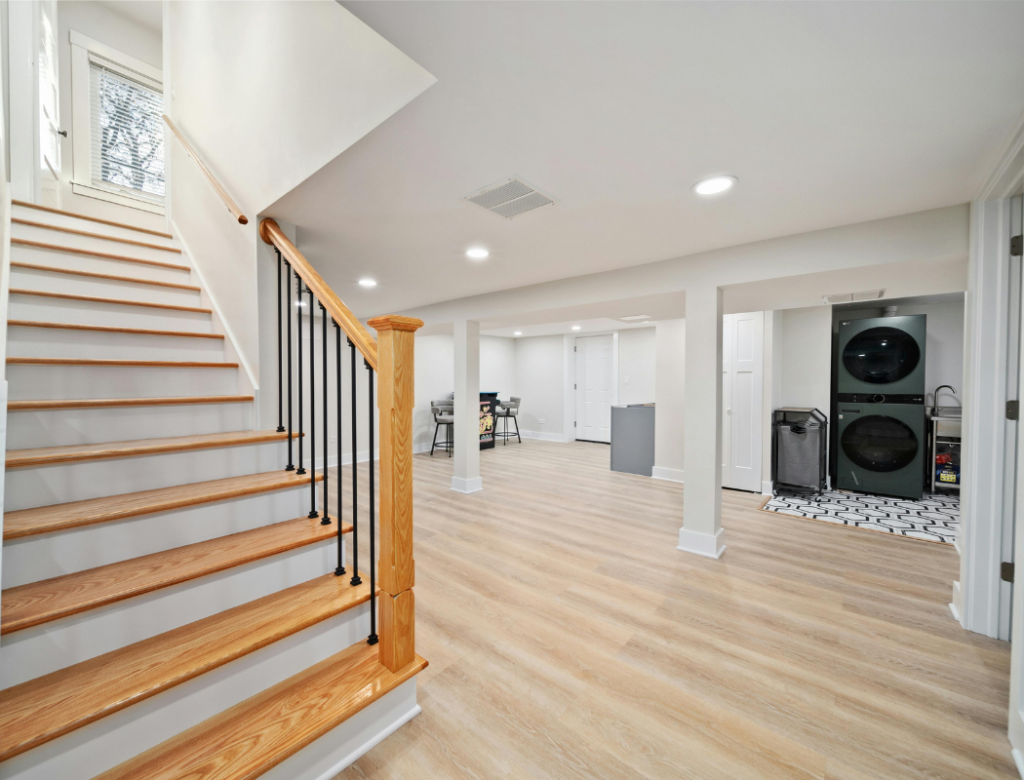
Most whole home renovations require permits, especially when you move walls, add square footage, or update electrical and plumbing systems. Skipping permits can cause problems when you sell your home later. Buyers and inspectors often ask for permit records, and unpermitted work can delay a sale or lower your offers.
A local contractor will know the permit process in your city and can handle much of this paperwork for you. This step protects your investment and keeps your renovation compliant with current building codes.
Prepare for Living Arrangements During Construction
A whole home renovation can take weeks or months, depending on scope. Decide early whether you will stay in the home or move out during construction. Living in a home under renovation means dealing with dust, noise, and limited access to certain rooms.
If your renovation includes major structural work or a full kitchen teardown, temporary housing might make more sense. Factor this cost into your overall budget so it does not catch you off guard partway through the project.
Think About Resale Value
Even if you plan to stay in your home for years, think about how your renovation choices affect resale value. Kitchens, bathrooms, and added square footage tend to offer the strongest returns. Overly personalized choices, like bold paint colors or unusual layouts, may narrow your buyer pool later.
Balance your personal taste with choices that keep broad appeal. Neutral finishes paired with a few personal touches often work best for long term value.
Create a Realistic Timeline
Whole home renovations rarely finish exactly on schedule. Material delays, weather, and unexpected repairs can push timelines back. Build extra weeks into your plan so delays do not disrupt other life events, like a move in date or a school year start.
Ask your contractor for a phase by phase schedule before work begins. This gives you a clear picture of what happens each week and helps you track progress against the plan.
Communicate Clearly With Your Contractor
Good communication prevents most renovation problems. Set up a regular check in schedule with your contractor, whether weekly calls or site visits. Address concerns quickly rather than letting small issues grow into larger disputes.
Keep records of every decision, change order, and payment. This protects both you and your contractor if questions come up later. Clear documentation also makes it easier to track your budget as the project moves forward.
Think About Energy Efficiency
A whole home renovation gives you a rare chance to improve energy efficiency at the same time. Upgrading insulation, replacing old windows, and installing newer HVAC equipment can lower monthly utility bills for years to come. These upgrades often cost more upfront, but they pay off through lower energy use and added comfort.
Ask your contractor about energy efficient options for each phase of the project. Some regions also offer rebates or tax credits for approved upgrades, which can offset part of the added cost. Planning these improvements alongside your renovation avoids the need to redo work later.
Choose Materials That Fit Your Lifestyle
Material choices affect both the look and the long term maintenance of your home. Families with children or pets may want durable flooring and stain resistant surfaces. Homeowners who plan to stay for decades might prioritize higher quality materials that hold up over time, even at a higher initial cost.
Visit showrooms and request samples before making final decisions. Seeing materials in person, under your own lighting, helps you avoid costly mistakes. A good contractor will guide you toward options that balance style, durability, and budget.
Final Thoughts
A whole home renovation is a major undertaking that touches every part of your daily life. Careful planning around budget, scope, permits, and timeline will help the process run smoothly. Choosing an experienced team makes a real difference in how the project unfolds from start to finish.
Whether you need a full renovation or a home addition, working with professionals who understand local codes and construction standards protects your investment. Take time to plan each step, and your renovated home will reflect both your goals and your budget.